 |
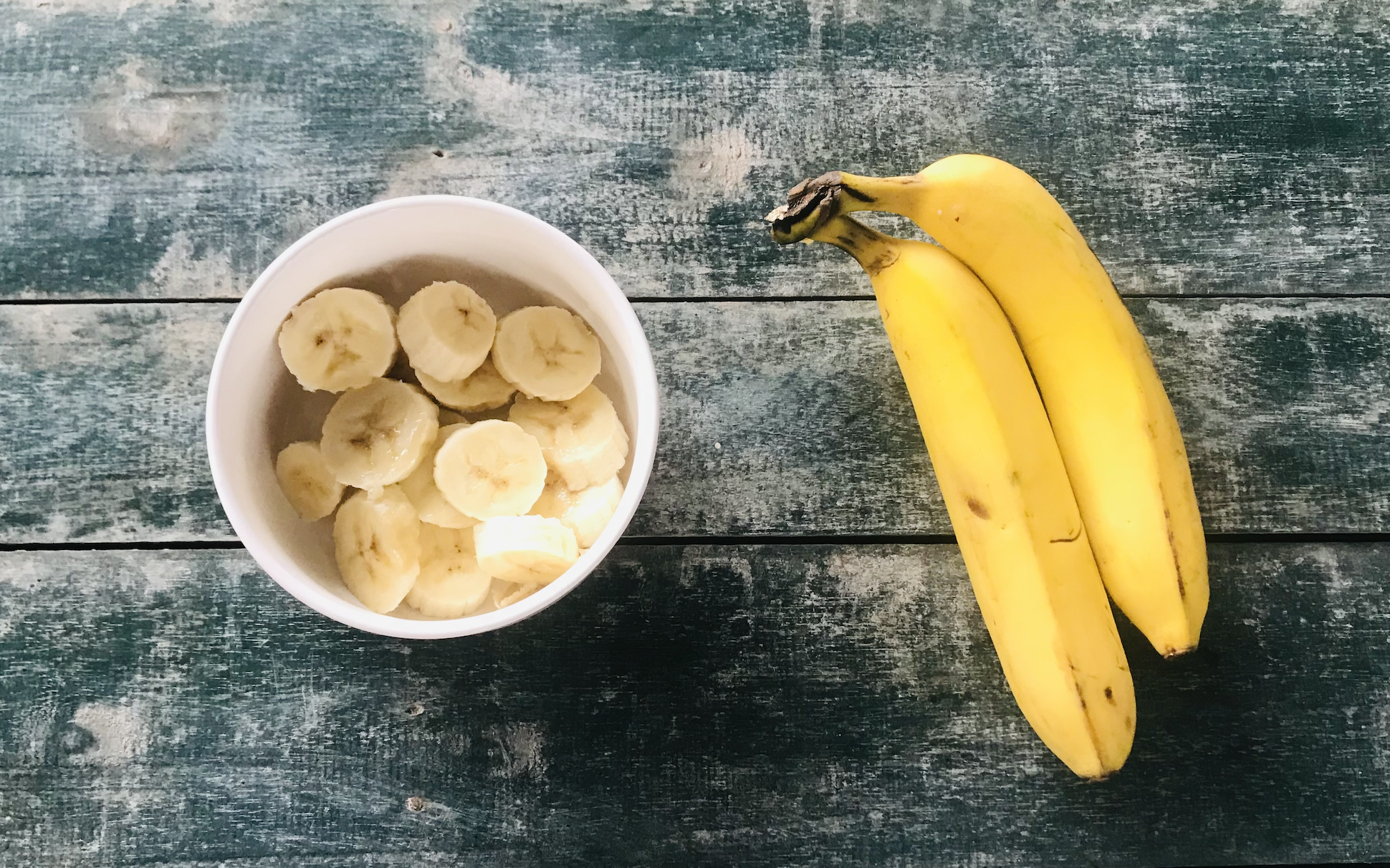
Bananas are a common source of potassium in the daily diet. A medium-sized banana provides about 422 mg of potassium, nearly 9% of an adult's daily requirement. Beyond potassium, bananas also contain fiber and vitamin B6, which are beneficial for heart health.
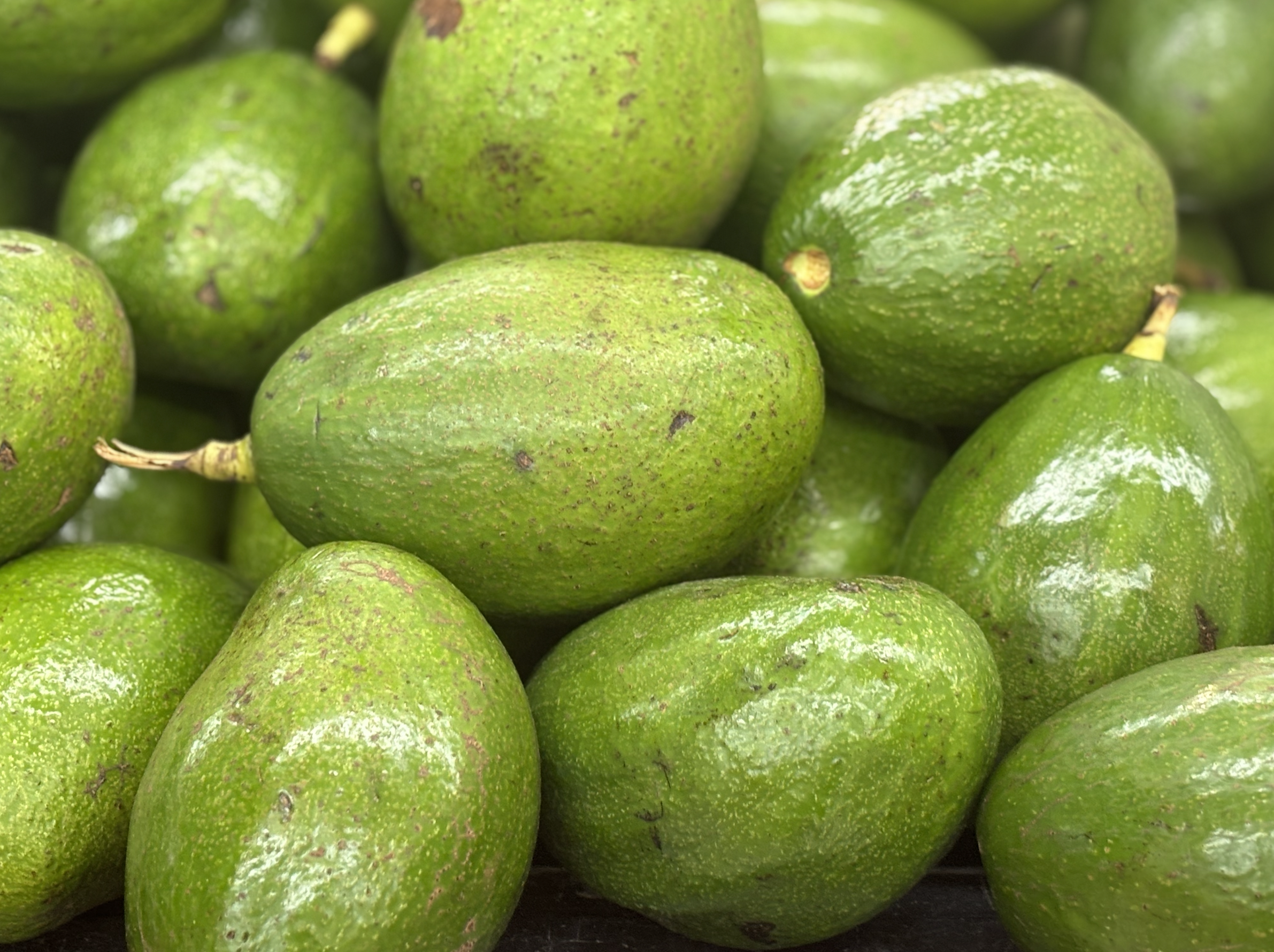 |
Half an avocado offers about 364 mg of potassium and is rich in heart-healthy monounsaturated fats. According to the American Heart Association (AHA), replacing saturated fats with plant-based unsaturated fats, such as those found in avocados, can improve cardiovascular health. Avocados are also high in fiber, which aids in managing cholesterol and weight – two factors linked to blood pressure.
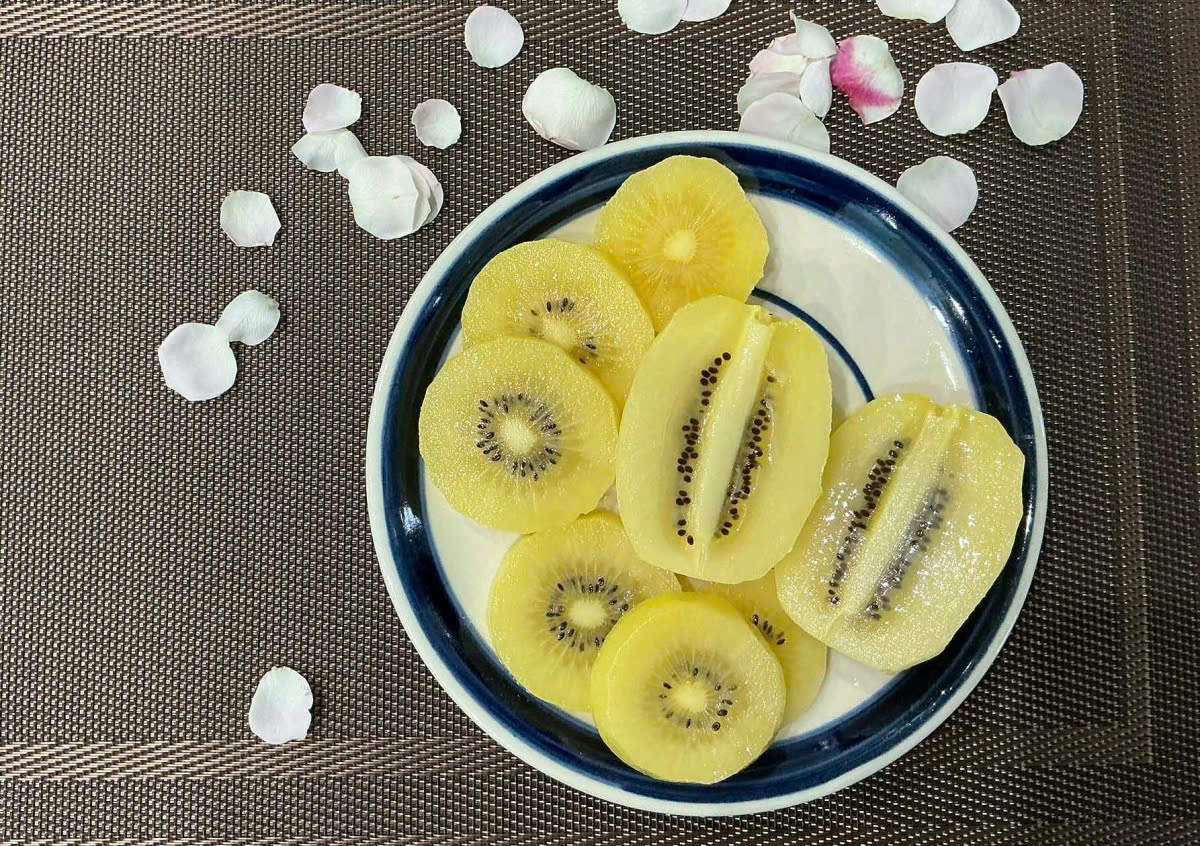 |
A single kiwi contains about 215 mg of potassium and a significant amount of vitamin C. Research indicates that regular kiwi consumption may help improve blood pressure due to the combined effects of potassium, vitamin C, and antioxidant compounds. Vitamin C also helps protect blood vessel walls from free radical damage.
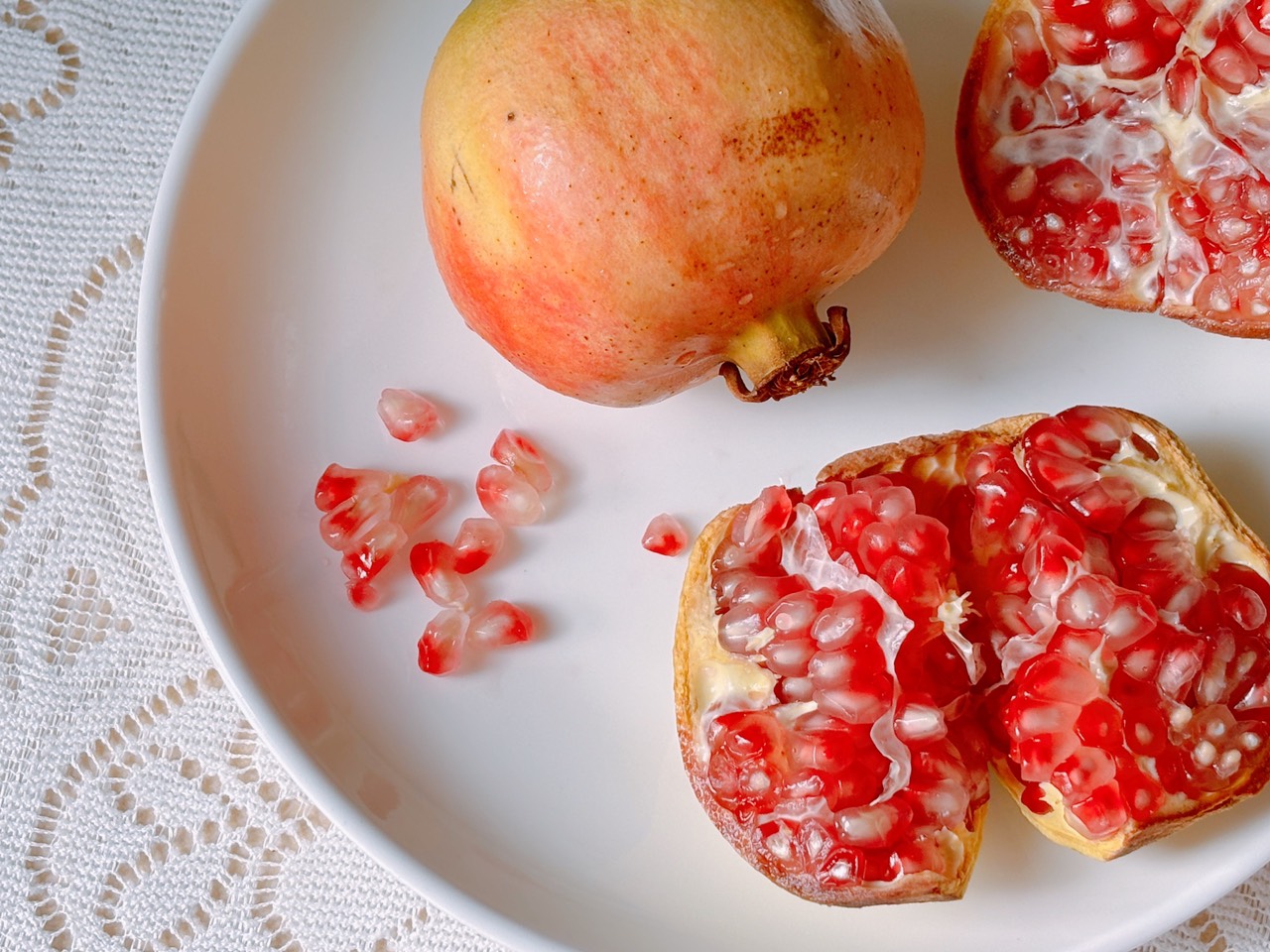 |
Pomegranates are not only rich in antioxidants but also a good source of potassium. A medium-sized pomegranate provides approximately 410 mg of potassium, contributing to the daily mineral requirement. Pomegranate's blood pressure-lowering effect is attributed to the synergy between potassium and antioxidant compounds, particularly polyphenols, which enhance blood vessel function and reduce inflammation.
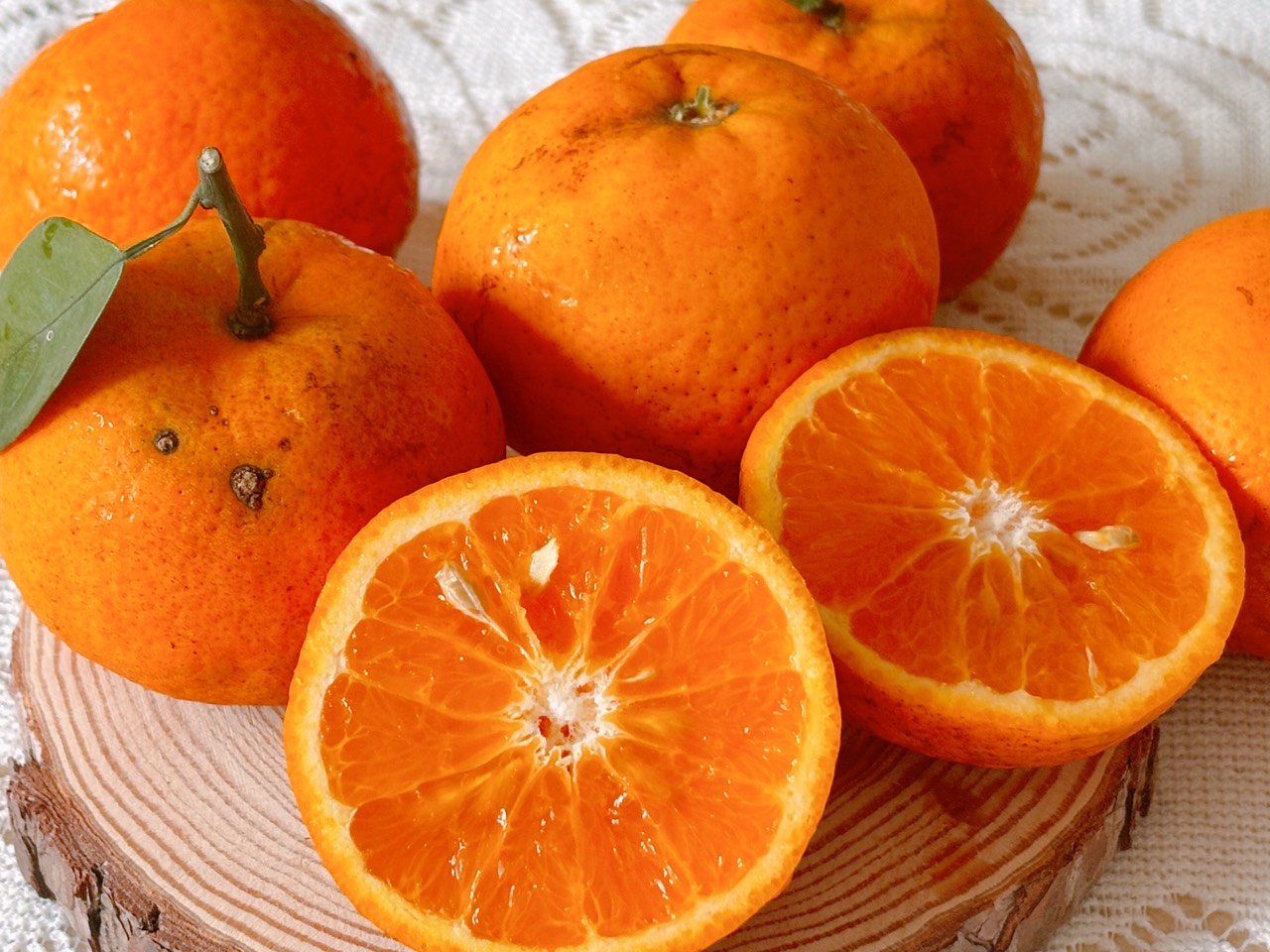 |
Oranges contain about 240 mg of potassium in a medium fruit and are a good source of vitamin C and folate. Eating whole oranges is more beneficial than drinking juice because it retains the fiber content, which slows sugar absorption and promotes a longer feeling of fullness.
By Bao Bao (Synthesized)
Photos: Bao Bao, Anh Chi