Phung Thi Mai Ly, 41, is now in her eleventh year of battling metastatic cancer, relying on a wheelchair and enduring constant dizziness and limb numbness. While she understands a complete cure is not possible, each day lived in peace is enough to continue her fight. Her journey is fueled by a profound desire to live for her son, to show him how she fought, and to find meaning in her life.
Her son's innocent words, "If one day mom goes to heaven first, remember to keep your real name so I can find you," came to Ly one ordinary evening as she rested. "I didn't know how to answer my son; I just swallowed my tears and told myself I couldn't go anywhere yet," she confided.
Ly's struggle began in october 2015 when she discovered a painful lump in her right breast. Her son was not yet 12 months old at the time. Initially, she dismissed it as a blocked milk duct. As the lump grew, repeated examinations led doctors to send a biopsy sample to K Hospital. "I remained optimistic, not believing the diagnosis was for me, so I didn't prepare or research anything," she recalled.
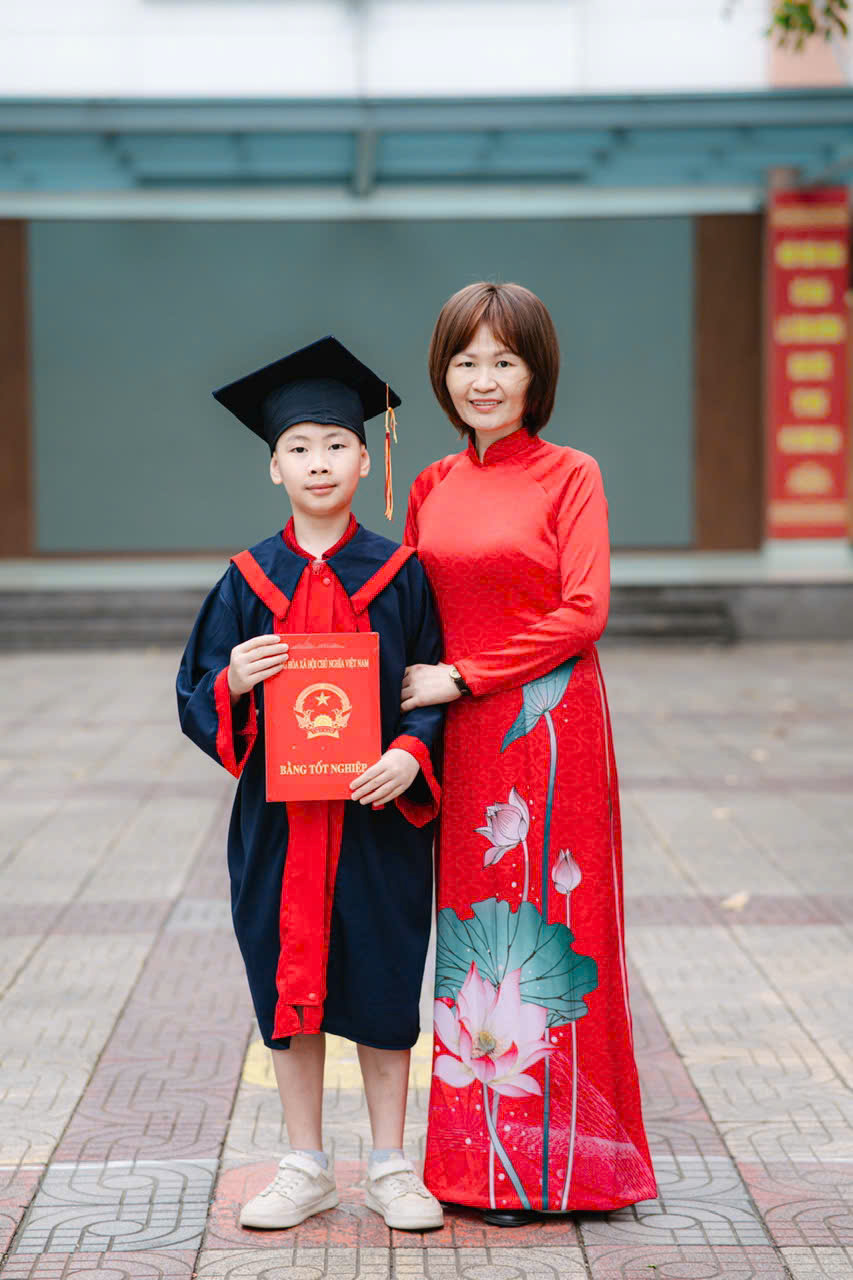 |
For Ly, family is the greatest emotional support, motivating her to fight her illness. This photo was taken on 25/5/2025, when her son graduated from primary school. Photo: provided by subject
A week later, a message confirming "positive for cancer cells" stunned her. Her initial reaction was not panic, but the thought, "once the tumor is removed, I can go home." It was only when she held her son, contemplating their future, that true fear overwhelmed her.
According to data from the Global Cancer Observatory (GLOBOCAN), breast cancer currently accounts for almost 29% of all cancer cases in Vietnamese women, with nearly 25,000 new cases each year. It is the most common cancer among Vietnamese women, surpassing liver cancer, and the age of onset is becoming younger.
Her first six rounds of chemotherapy did not go as expected. During the initial rounds, she joked with relatives that hospital visits felt like a vacation. However, by the third or 4th round, the chemicals began to take their toll, causing nausea, fatigue, and a weakened immune system. Her hair fell out. Seeing strands of hair clinging to her son's toys in their 20-square-meter rented room, she decided to shave her head. Ly closed her eyes tightly, pressed her lips together, ignoring the sound of the clippers. When she opened her eyes, she burst into tears. "It wasn't because of physical pain, but because I lost a part of my body that I was so used to," she stated.
Doctors once estimated she had only a 2% chance of shrinking the tumor enough for surgery. She overcame that narrow chance after six chemotherapy sessions, but the disease did not stop. In august 2019, malignant cells metastasized multifocally to her bones and lungs. Mediastinal lymph nodes also showed lesions. By 2020, the cancer continued to invade her skull and jawbone systems. She endured extreme physical pain, rolling from the bed to the floor and crawling back up. She firmly refused painkillers, fearing drug dependence.
During this period, she quietly prepared for death, starting by moving her son to study near his grandmother's house, choosing a memorial photo, and drafting her own eulogy.
Late 2021 marked a more frightening milestone when cancer cells spread to her brain. Her greatest fear was not death, but the worry that neurological damage would erase memories of her son. Whole-brain radiation therapy caused even small movements to trigger searing pain throughout her body. The use of supportive painkillers for 9 months was the only way she could remain lucid enough to meet friends.
In 2025, her condition progressed with leptomeningeal metastasis to the cervical spine. This rare complication caused dizziness and limb paralysis. She had to undergo chemotherapy injections directly into her spinal cord. By 5/2025, her declining health forced her to stop her office job entirely.
The day she announced her illness at work, colleagues stood up one by one, hugged her, and cried. As she left, they saw her off to the elevator, and someone was sent to drive her home. "When I worked, I felt my life had meaning, that I lived like a normal person, with value," she said. She maintained her job for many years partly for that reason.
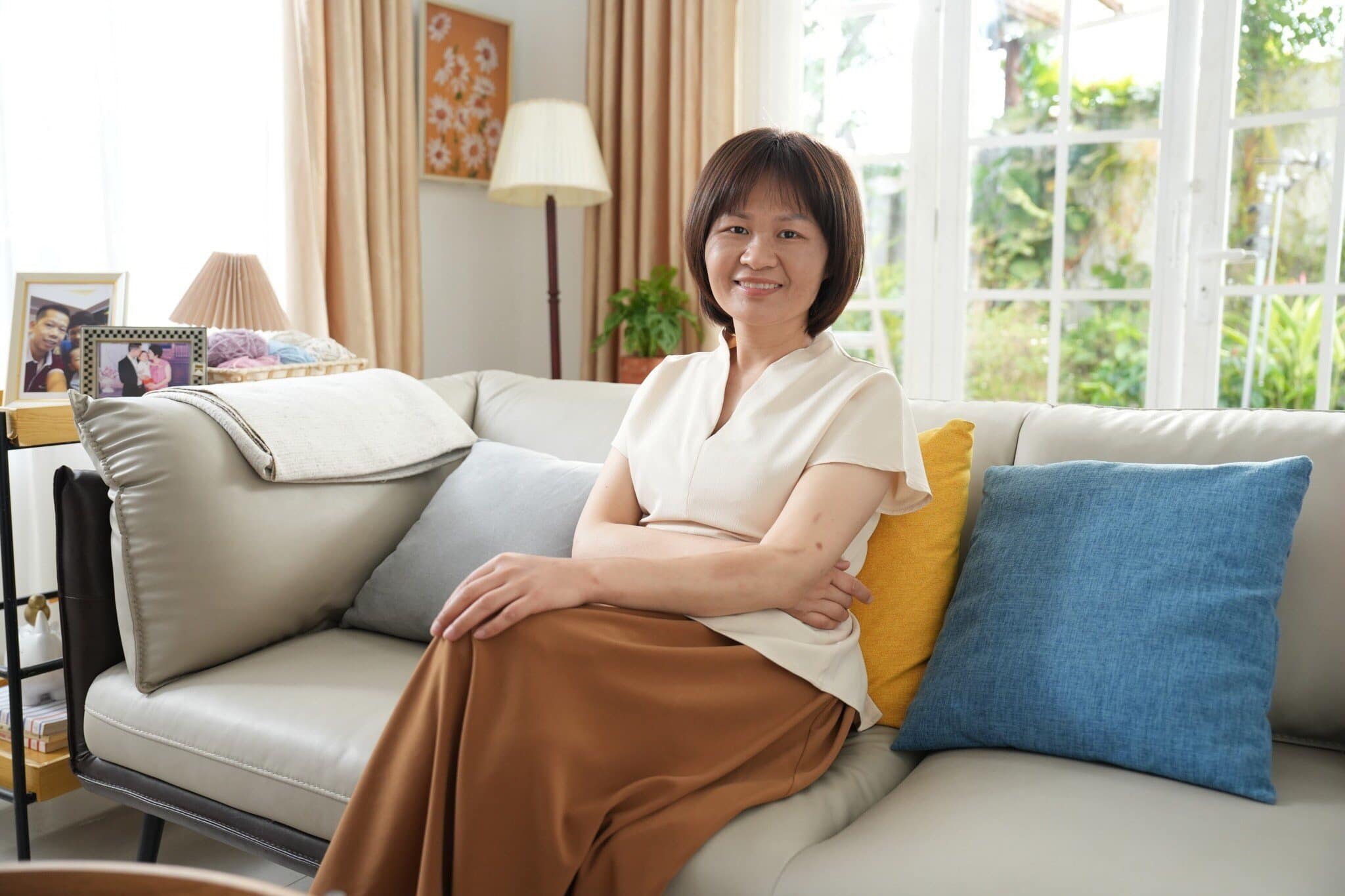 |
Ly always encouraged herself in all circumstances to have the courage to fight, determined not to give up halfway. Photo: provided by subject
Despite her weakening body, Ly still films and edits videos sharing her journey, participates in cancer patient support networks, and writes articles about her treatment experience. "I want my son, when he grows up, to know how his mother lived and fought, if I'm no longer here," she said.
Research from the Journal of Clinical Oncology shows that metastatic breast cancer patients with strong social support systems have significantly longer survival times compared to those without. For Ly, that system includes colleagues, the patient community, and her son who told her to "remember to keep your real name."
Dieu Tam - Thuy An