 |
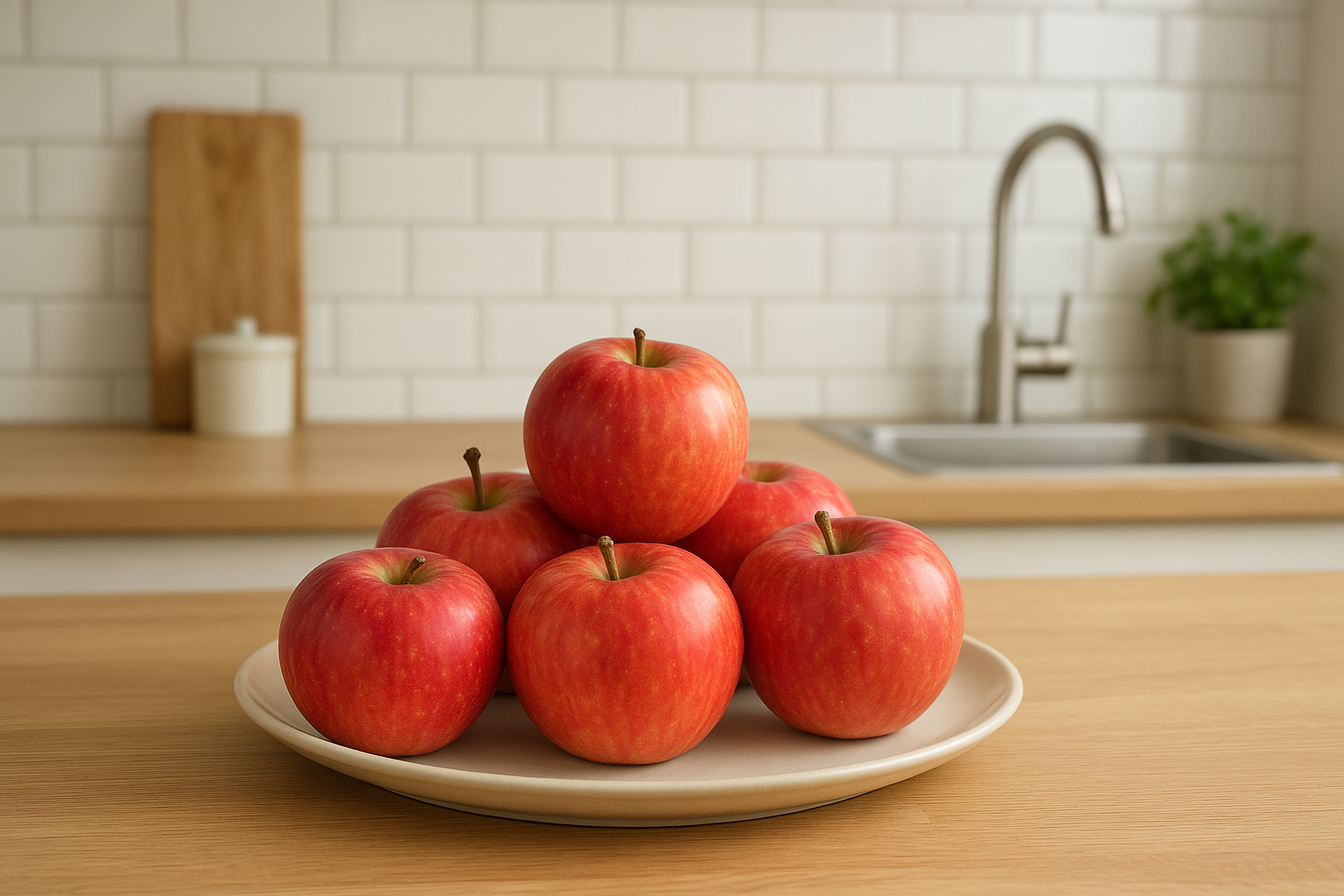
Apples
Apples contain pectin, a soluble fiber that binds metabolic waste and heavy metals in the gut, reducing the liver's detoxification load. This fruit is also rich in antioxidants like quercetin and chlorogenic acid, which help reduce oxidative stress.
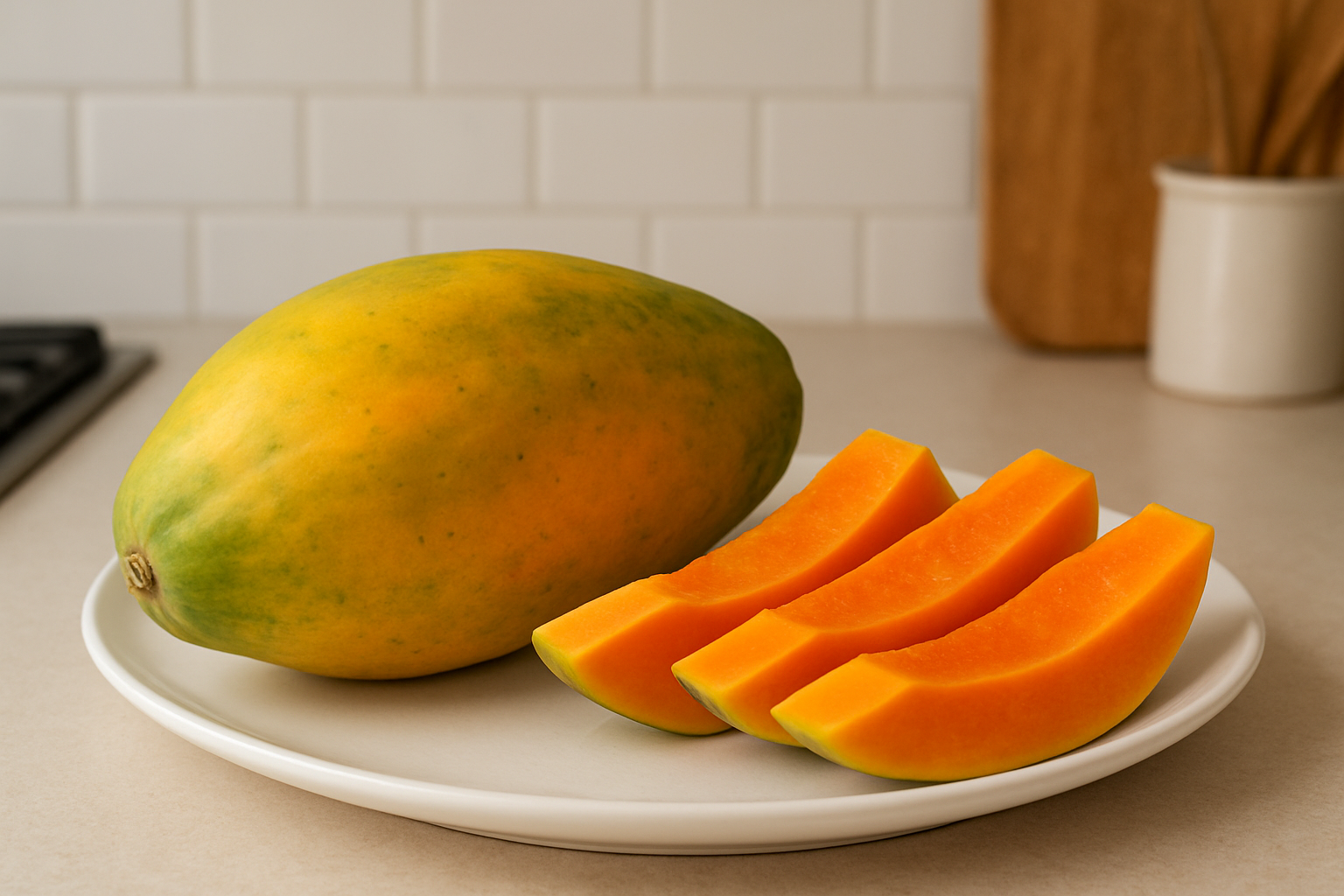 |
Papaya
Papaya contains papain, an enzyme that aids protein digestion and eases the burden on the liver. Its vitamin C and flavonoid content are also linked to a reduced risk of fatty liver disease.
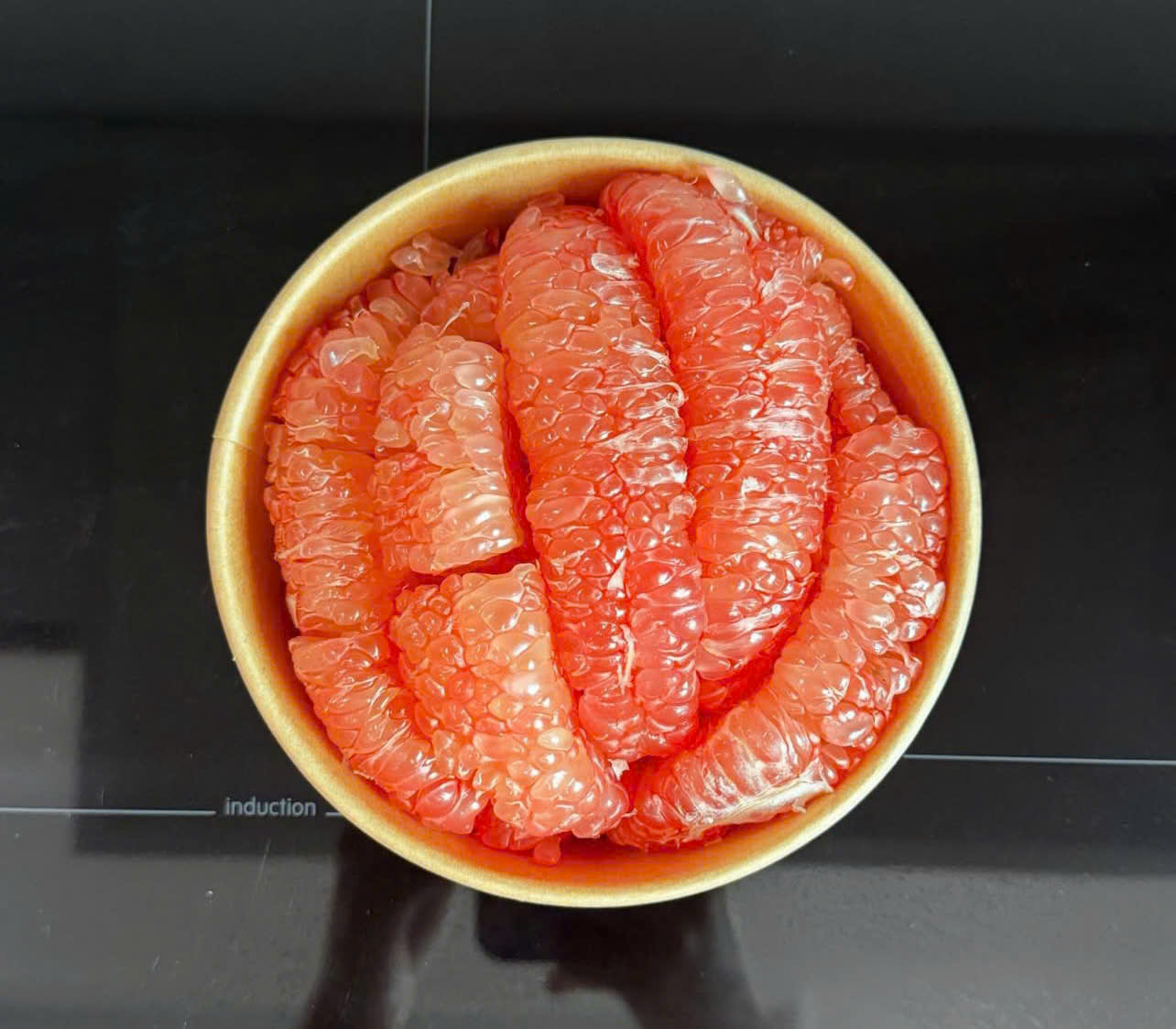 |
Grapefruit
Grapefruit is rich in antioxidants such as naringenin and naringin, which can reduce inflammation and protect liver cells. They also help decrease fat accumulation in cases of non-alcoholic fatty liver disease (NAFLD). However, grapefruit can interact with certain medications. Individuals with existing medical conditions should consult a doctor before adding grapefruit to their daily diet.
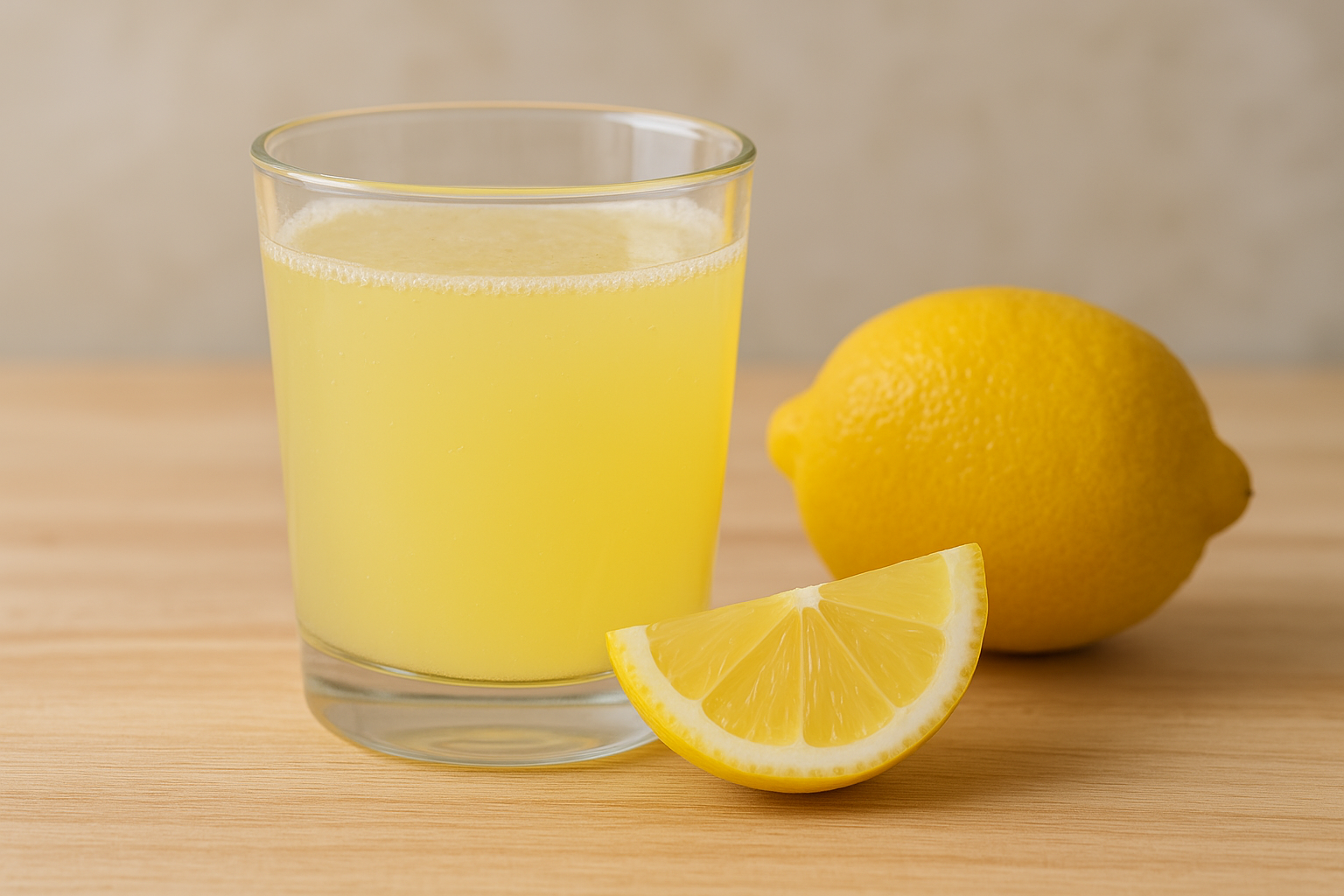 |
Lemons
Drinking warm lemon water first thing in the morning can stimulate bile secretion, essential for fat breakdown and toxin elimination. The vitamin C in lemons supports antioxidant activity and reduces liver inflammation.
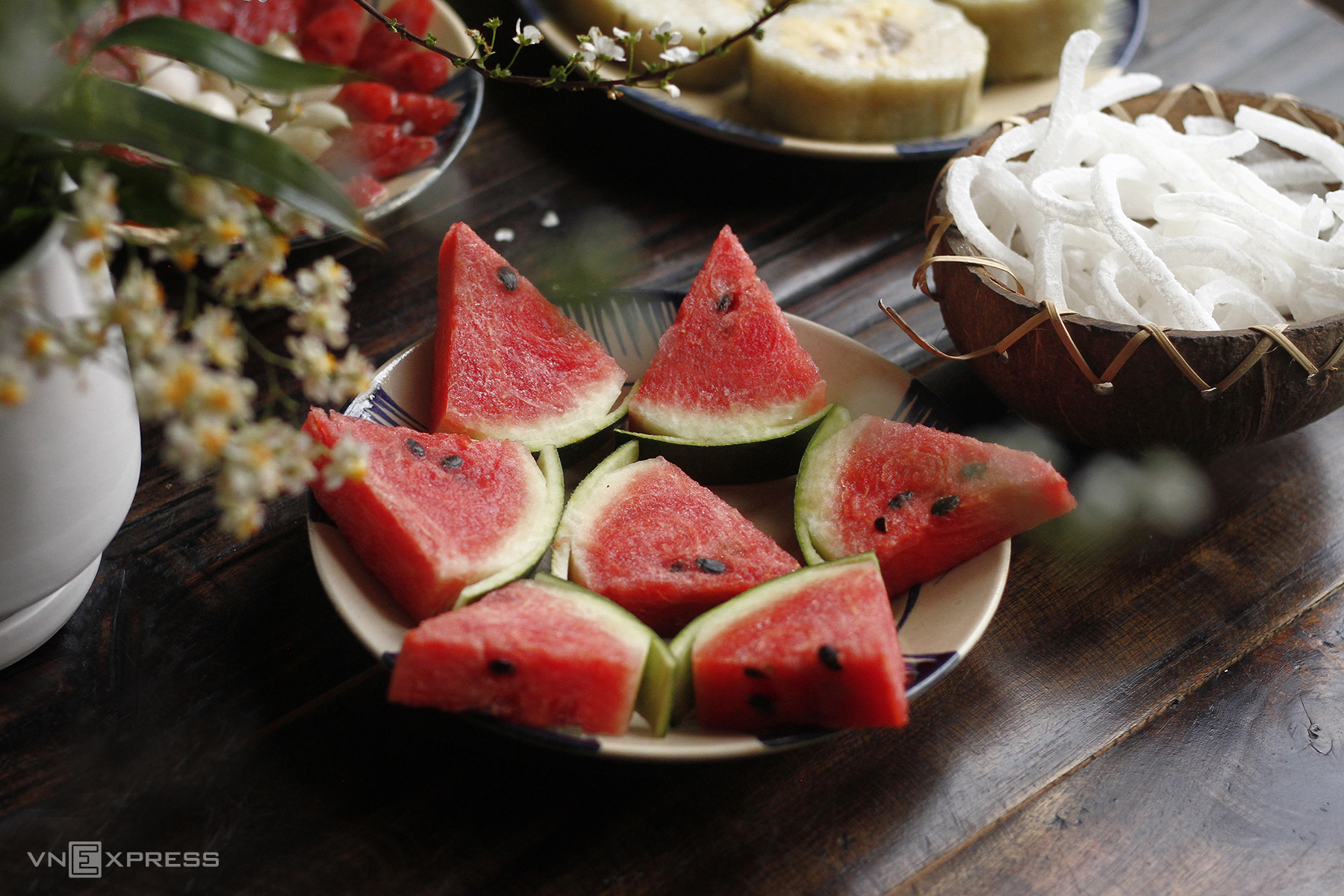 |
Watermelon
Comprising over 90% water, watermelon hydrates the body. Its lycopene content can reduce oxidative stress and inflammation in both the liver and kidneys.
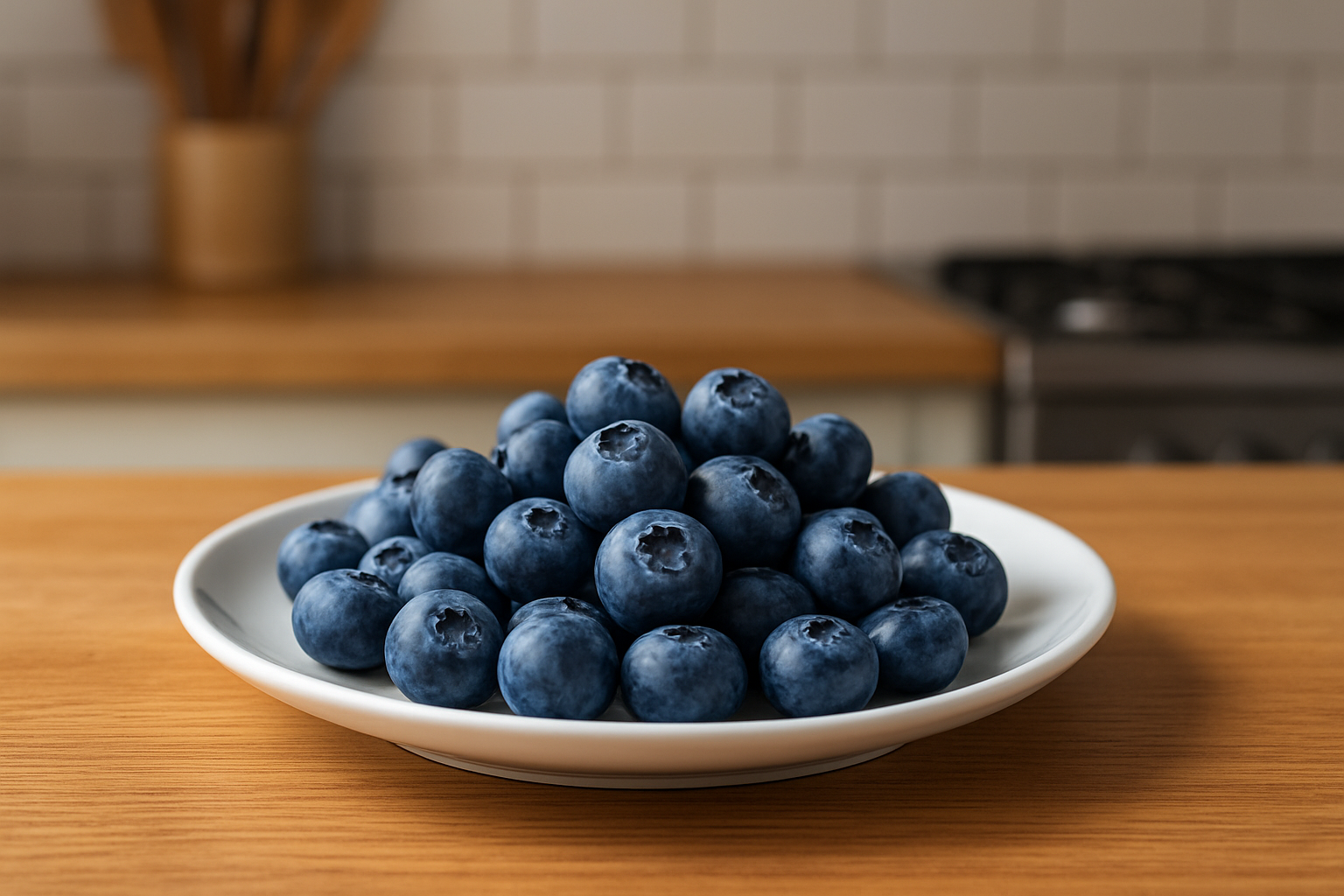 |
Berries
Blueberries and raspberries are packed with anthocyanins and polyphenols. These compounds protect liver tissue from oxidative stress and slow inflammatory processes. The fiber in berries also helps regulate digestion, easing the liver's burden and supporting efficient detoxification.
By Le Nguyen (Adapted from Times of India)
Photos: Bui Thuy, AI