Individual protein needs vary significantly based on weight, height, and activity level. Therefore, those aiming for weight loss should not blindly follow others' formulas but instead calculate the appropriate protein intake for their specific body type. Healthline recommends 0,8 g of protein per kg of body weight daily for healthy adults. For example, a person weighing 68 kg would need about 54 g of protein each day. Individuals combining weight loss with muscle gain may require more protein while simultaneously reducing total caloric intake to maintain a deficit.
Overlooking plant-based protein sources is another common error. While plant-based protein may offer less protein per calorie than animal protein, it is rich in fiber, vitamins, and minerals, and often lower in saturated fat. For this reason, individuals on a weight loss journey should incorporate a variety of protein sources from both plants and animals. This approach supports cardiovascular health, aids digestion, and helps with weight management. Good plant-based protein sources include beans, tofu, and various nuts.
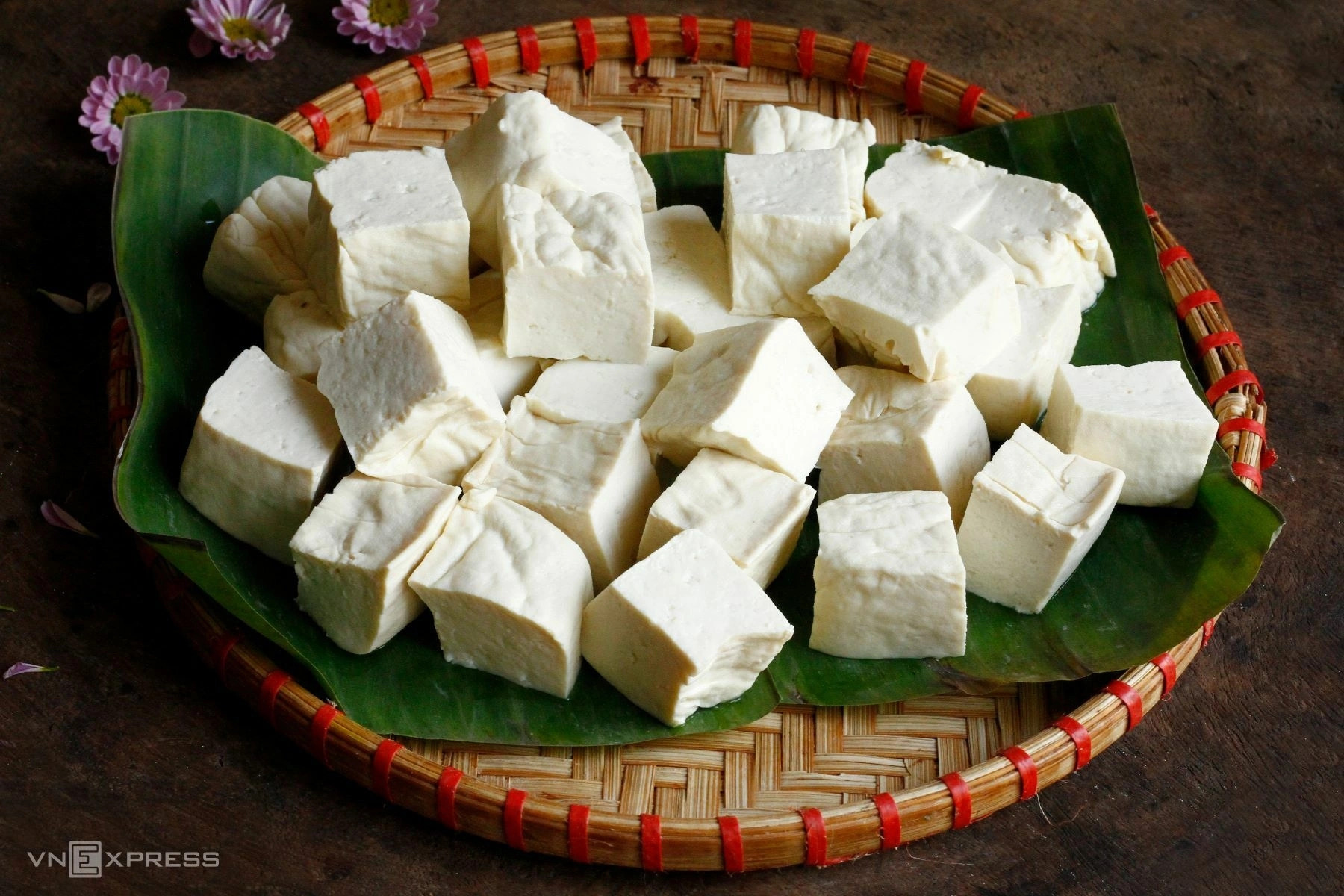 |
Tofu, rich in protein, can help promote satiety and weight loss. *Photo: Bui Thuy* |
Consuming either too little or too much protein can derail weight loss efforts. Protein is vital for many bodily functions. When intake is too low, individuals may experience increased cravings, frequent snacking, fatigue, and reduced concentration, making muscle maintenance and effective weight loss difficult. Prolonged protein deficiency can also lead to hair loss, dry skin, and an increased risk of illness. Conversely, excessive protein intake can cause constipation due to a lack of fiber, dehydration, increased kidney strain, and a higher risk of kidney stones for those predisposed. If calorie intake exceeds needs, surplus protein can be converted into energy or stored as fat, leading to weight gain.
Prioritizing high-fat protein sources is another pitfall. According to EveryDay Health, some protein-rich foods also contain high levels of saturated fat, which can increase the risk of heart disease if consumed regularly. Therefore, when selecting protein sources, those aiming to lose weight should pay attention to saturated fat content. It is advisable to limit fatty cuts of meat, lamb, pork, poultry with skin, and full-fat cheese. Instead, opt for lean beef, skinless poultry, fish, eggs, and low-fat dairy products. These choices provide sufficient protein and essential nutrients while reducing saturated fat and calorie intake, thereby supporting weight loss.
Disregarding protein quality can also hinder progress. Individuals should prioritize high-quality protein sources from fresh, minimally processed foods to ensure adequate intake of protein, vitamins, and minerals. Conversely, processed meats like sausages, cured pork, and bacon often contain high levels of saturated fat and sodium, which are not beneficial for weight management. Eggs, fish, lean meat, low-fat dairy, and beans are excellent quality protein sources suitable for a weight loss diet.
Improper protein distribution throughout the day is another common mistake. Rather than consuming the majority of protein in one meal, it should be evenly distributed across main meals and snacks. According to Eating Well, this strategy helps maintain a steady supply of amino acids for muscles, supporting muscle recovery and growth, while also increasing satiety and stabilizing energy levels. Each meal should ideally provide about 20-30 g of protein.
By Anh Chi (Compiled)
| Readers can submit questions about endocrine diseases here for a doctor's response. |