On December 10, Ngoc and her mother met with the medical team from IHH Healthcare Singapore at a pediatric cancer event in Ho Chi Minh City. The girl appeared healthy and active, a stark contrast to her previous weakened state.
Doctors diagnosed Ngoc with neuroblastoma in her neck at the age of 7. This malignant solid tumor forms from nerve cells outside the brain and is typically found in children under 5 years old. For five continuous years, her family sought treatment at major hospitals in Ho Chi Minh City. The treatment regimen, combining tumor removal surgery, radiation therapy, and high-dose chemotherapy, repeatedly left the girl's body exhausted.
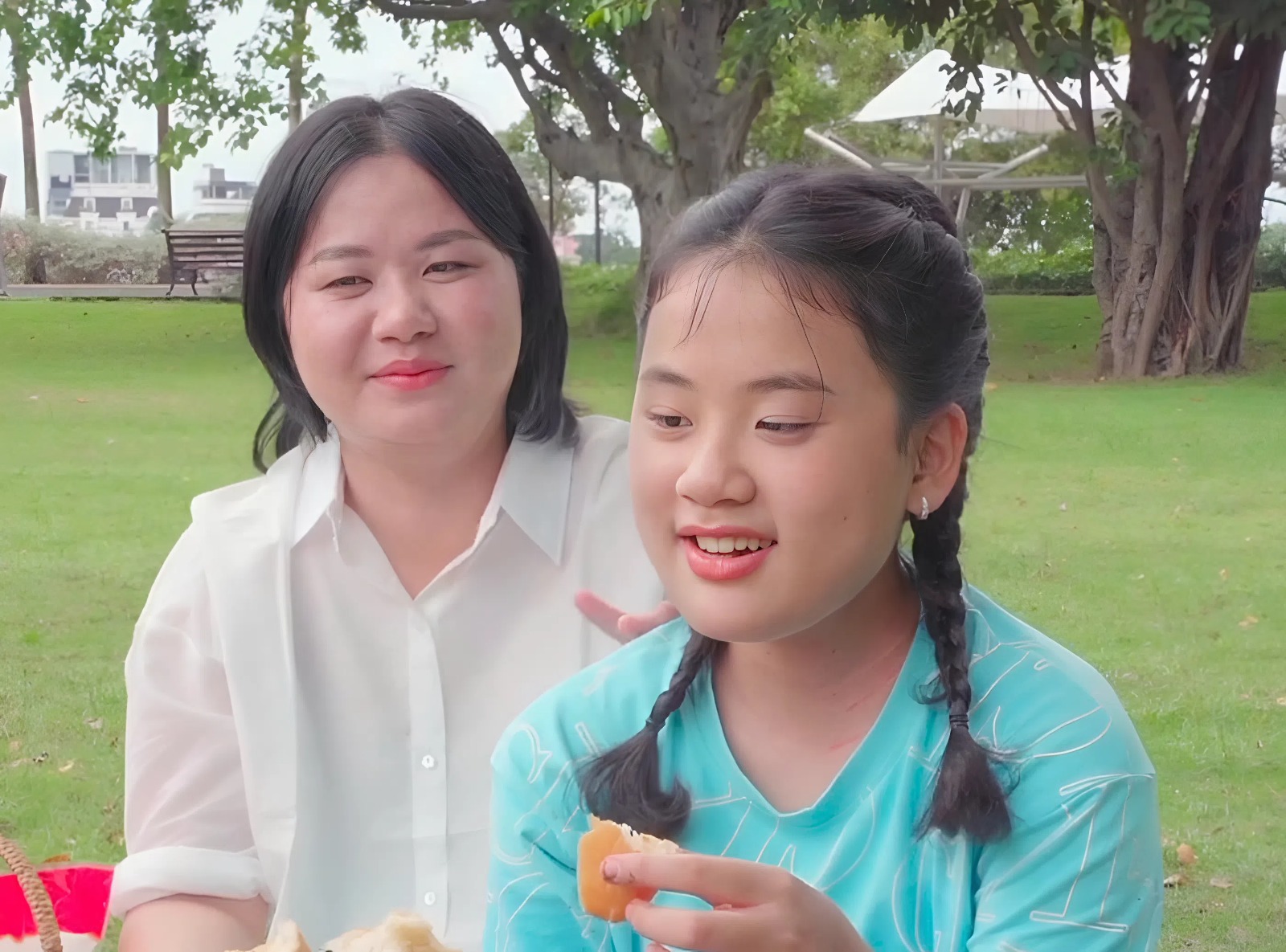 |
Bao Ngoc and her mother. Photo: IHH Healthcare Singapore |
Huong, Ngoc's mother, remains haunted by her daughter's chemotherapy cycles, which occurred every 21 days. The powerful side effects of the medication caused Ngoc to vomit continuously, suffer from high fever, and experience severe weight loss. The situation escalated when Ngoc turned 12, as the disease recurred in a complex manner. The tumor was located in a dangerous position, compressing vital structures such as the carotid artery, the vagus nerve (cranial nerve 10), and the trachea. Previous treatment methods were largely ineffective.
Last May, Mount Elizabeth Novena Hospital selected Ngoc as one of two patients to receive full sponsorship for proton therapy. The treatment package, valued at approximately 55,000 USD (nearly 1.4 billion VND), would typically be self-paid by patients.
After 18 treatment sessions over two months, doctors successfully controlled the tumor with high precision, minimizing impact on surrounding organs. Ngoc has since returned to school, resumed normal activities, and no longer requires regular chemotherapy, only follow-up examinations for the next five years.
Doctor Fu Jinfeng, Head of Radiation Oncology at IHH Healthcare, explained that proton therapy uses positively charged particles to destroy malignant cells. Unlike traditional X-rays, proton beams release maximum energy directly at the tumor and then stop, preventing them from exiting the body. This mechanism helps protect healthy tissue, reduces side effects, and lowers the risk of secondary cancer, a factor particularly important for a child's developing body.
In Vietnam, the Ministry of Health also plans to establish proton therapy centers at Cho Ray Hospital, K Hospital, and Hue Central Hospital. The project is expected to begin investment in 2025 and be completed between 2026 and 2030, promising to alleviate the financial burden for patients who currently must seek treatment abroad.
Cancer remains a major health burden, with new cases and deaths continuously increasing, necessitating not only a focus on treatment but also on prevention, early detection, and palliative care. The International Agency for Research on Cancer (Globocan) estimates that Vietnam records over 180,000 new cancer cases and more than 120,000 deaths from cancer annually.
Doctors advise the public to enhance cancer prevention awareness through a healthy lifestyle, balanced diet, limiting processed foods, quitting smoking, reducing alcohol consumption, and regular exercise. They also recommend vaccinations, annual health check-ups, and seeking medical attention immediately for any unusual symptoms. Proactive early cancer screening, based on age and risk groups, is crucial. Screening before symptoms appear can detect the disease at a very early stage, leading to gentler treatment and increasing the chances of a full recovery.
My Y