Dr. Pham Huy Vu Tung, Master of Science, Deputy Head of Ophthalmology Department at the High-Tech Eye Center, Tam Anh General Hospital, Ho Chi Minh City, reported that Hoa, 36, was diagnosed with open-angle glaucoma, a condition typically found in middle-aged individuals. Upon hospital admission, Hoa suffered severe vision loss; his right eye could only perceive light and dark, while his left eye had 5/10 vision. Detailed examinations revealed intraocular pressure in both eyes had risen to nearly 70 mmHg (normal range 11-21 mmHg), accompanied by optic nerve damage, which was more pronounced in the right eye.
The ciliary body in the eye produces aqueous humor, which nourishes the eye. Normally, this fluid drains through canals in the anterior chamber angle. However, when these canals become blocked, old aqueous humor cannot exit, while new fluid continues to be produced, leading to accumulation and increased pressure within the eye. When this pressure surpasses the optic nerve's tolerance, the nerve sustains damage, resulting in optic disc cupping and visual field damage.
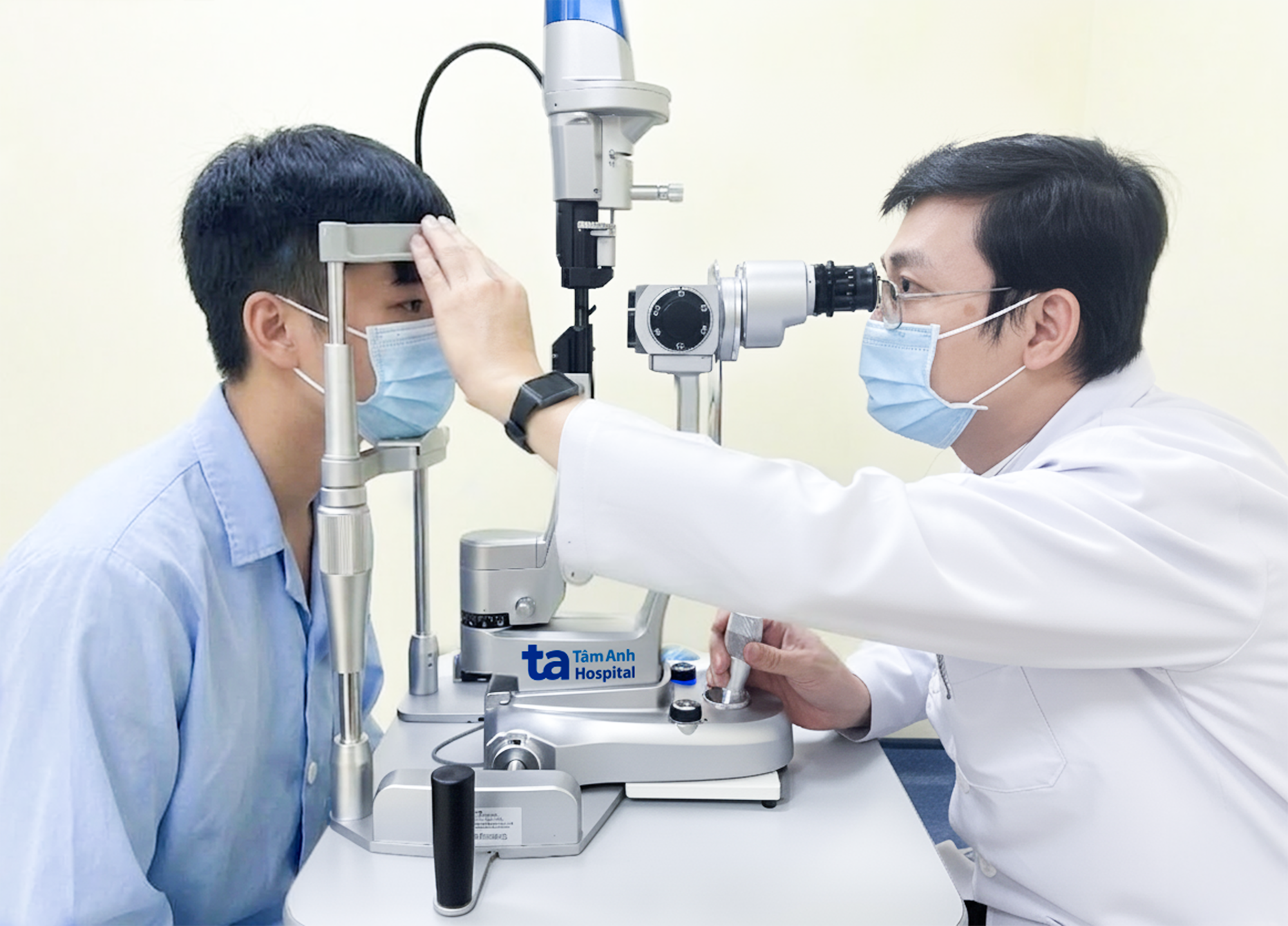 |
Dr. Tung examines Hoa's eyes. *Photo: Tam Anh General Hospital* |
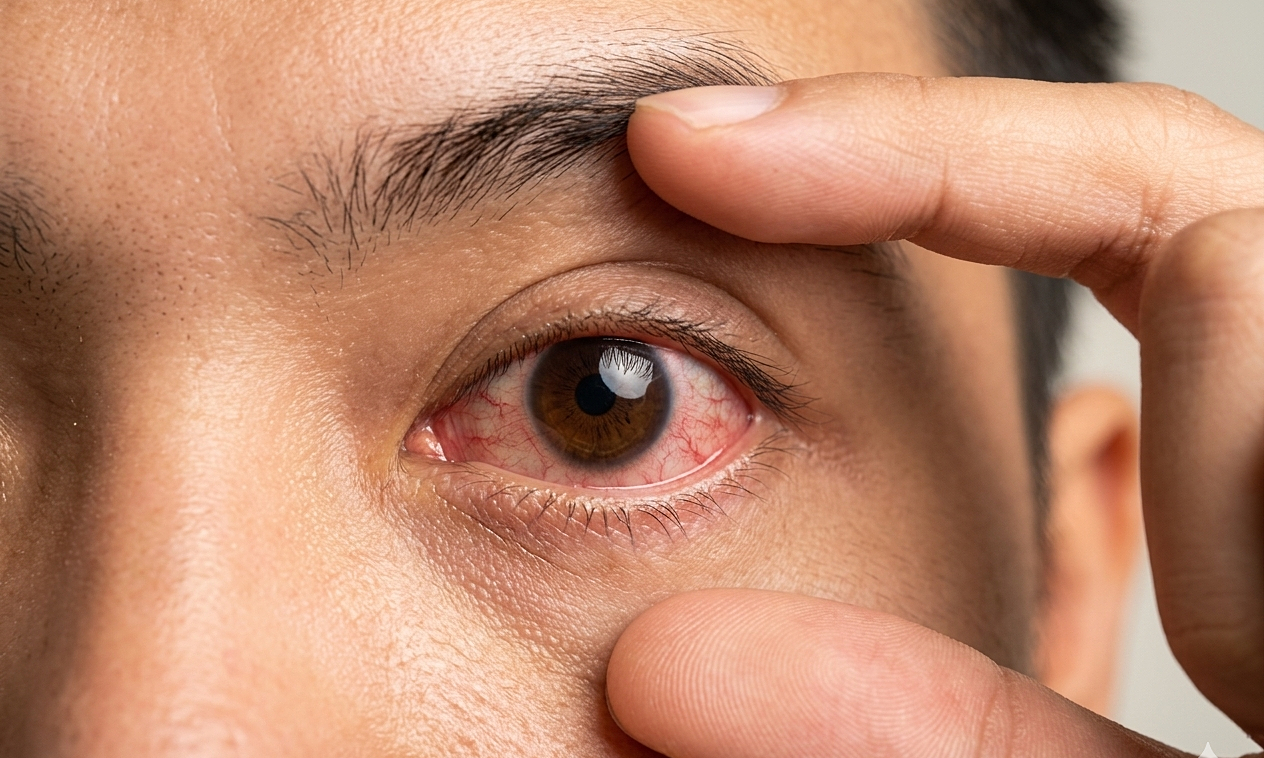
Early-stage open-angle glaucoma often progresses silently and is difficult to detect. As the condition advances, it can cause eye strain, blurry vision resembling fog, red eyes, and corneal swelling or bulging. In Hoa's case, his vision gradually declined, but without regular monitoring or control, his condition became severe by the time he sought hospital treatment.
Hoa received medical treatment, including eye drops to lower intraocular pressure and prevent further optic nerve damage. To definitively address the cause of his elevated intraocular pressure, doctors prescribed trabeculectomy surgery. This procedure creates a stable drainage pathway for aqueous humor, preventing blindness progression and alleviating uncomfortable symptoms.
One week after surgery, Hoa's intraocular pressure was stably controlled at 17 mmHg. His left eye's vision improved to 8/10, but the damage to his right eye did not recover.
Dr. Tung cautioned that Hoa faces a high risk of recurrence in his left eye, which could lead to complete vision loss. Therefore, he requires long-term treatment and adherence to scheduled follow-up appointments. Patients should seek early medical examination if they experience symptoms such as seeing red and blue halos around lights, difficulty tracking moving objects, peripheral vision loss, red eyes, blurry vision, or headaches.
Individuals over 40 or those with risk factors such as a family history of glaucoma, chronic diseases, refractive errors, eye trauma, or prolonged corticosteroid use should undergo regular eye examinations every 6-12 months. Early detection significantly helps slow or prevent vision loss.
Ngoc Kim Tham
*Patient's name has been changed*
| Readers can submit ophthalmology questions here for doctors to answer. |