Bananas are a sweet, convenient fruit chosen by many to supplement daily fiber intake. However, do bananas truly improve constipation or do they cause bloating? Many nutrition experts indicate that the answer depends on an individual's gut health, the amount consumed, and the banana's ripeness.
American nutritionist Johannah Katz states that a healthy digestive system features comfortable digestion, regular bowel movements, and the absence of frequent abdominal pain, severe bloating, constipation, or diarrhea. However, achieving a healthy digestive system is a personalized journey for each individual.
"There is no single 'perfect' gut microbiome model, as the microbiomes among healthy individuals already vary greatly", Parade quoted her as explaining.
Moreover, amidst a maze of supplements, understanding the impact of natural foods like bananas on gut health is crucial. "What we eat can affect bowel frequency, digestive symptoms, the intestinal mucosal barrier, and the activity of microorganisms in the gut", she said, noting that understanding these effects helps individuals identify foods that aid comfortable digestion, while also recognizing that the same food can elicit different responses in two people.
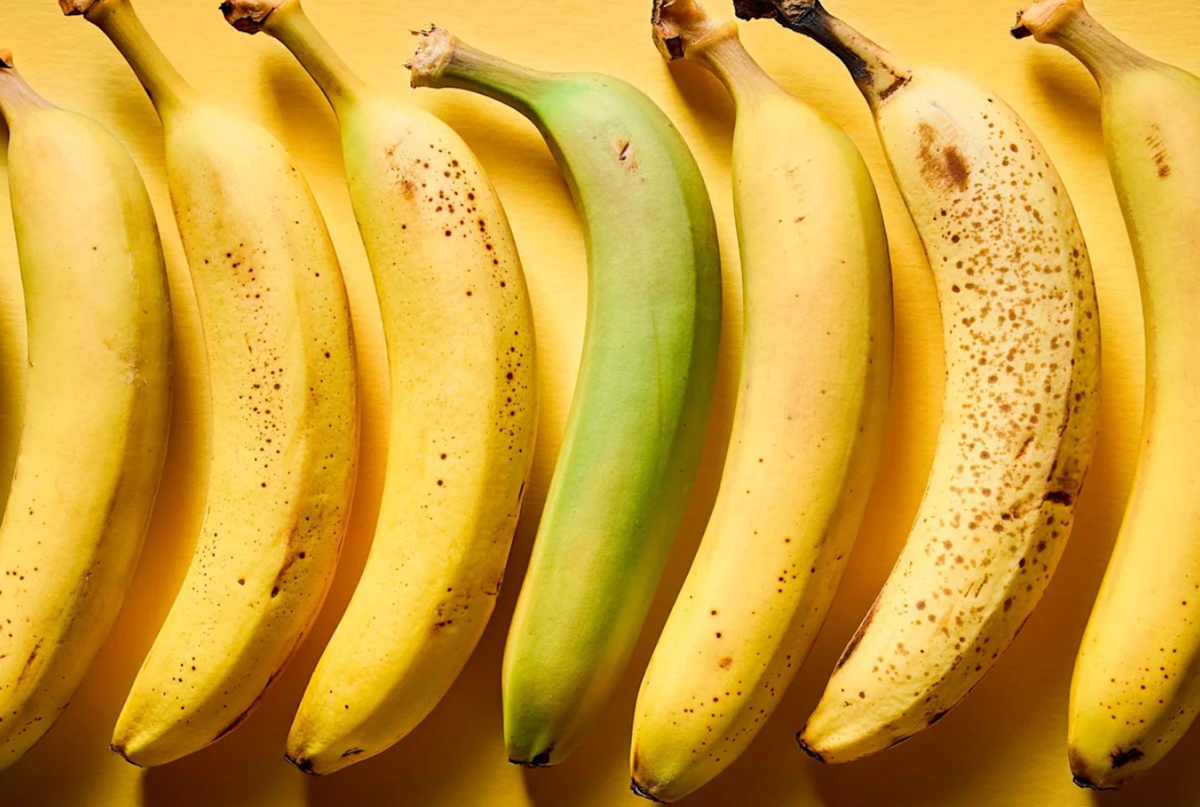 |
Photo: Kelsey Hansen |
For most people, bananas are a good supplement for the digestive system. While dietary changes can impact the gut microbiome within a few days, maintaining long-term eating habits is more important than consuming a single food in isolation. Some individuals report a significant reduction in heartburn a few hours after eating bananas. Nutrition expert Julia Zumpano from Cleveland Clinic explains that bananas promote mucus production, which helps protect the stomach lining.
The effect of bananas on the digestive system depends on their ripeness. American nutritionist Malina Malkani, founder of Malina Malkani Nutrition and author of the book Safe and Simple Food Allergy Prevention, states that unripe green bananas contain more resistant starch, which helps form stool and slows the movement of food through the digestive tract, making them suitable for people with undigested stool or diarrhea. Conversely, ripe bananas contain soluble fiber that absorbs water and softens stool, helping it move more easily through the intestines, thereby helping to reduce constipation.
Both green and ripe bananas contain prebiotic fiber called pectin, with higher content in green bananas. The human body cannot digest this type of fiber, but it serves as a nutrient source for beneficial bacteria in the gut. Resistant starch in green bananas, after fermentation by gut bacteria, also produces butyrate (a type of short-chain fatty acid), which helps maintain the gut's protective barrier and regulates inflammatory responses.
The resistant starch and pectin content in green bananas also helps control blood sugar and reduce inflammation. Expert Malkani states that this is beneficial for individuals with inflammatory bowel disease. Unripe bananas are also low in FODMAPs, making them generally easier to tolerate; as bananas ripen, resistant starch converts into FODMAP sugars.
Not everyone is suited to eating too many bananas. Katz warns that the fermentable carbohydrates and resistant starch in bananas can cause bloating, gas, or discomfort in some individuals, especially if consuming many bananas at once or using large quantities of concentrated green banana products.
Individuals with late-stage kidney disease or diabetes also need to pay attention to their daily banana intake. For most healthy adults, eating one banana each day is generally safe, but dietary diversity should not be overlooked. Beneficial gut bacteria require various types of fiber; consistently eating only one type of food daily can reduce nutritional diversity.
Nutrition experts recommend choosing bananas based on bowel condition: select ripe bananas when constipated and green bananas when experiencing diarrhea. To optimize health benefits, bananas can be combined with natural peanut butter; eaten with Greek yogurt, chia seeds, and walnuts; or blended into a smoothie with kefir, berries, and spinach to supplement protein, healthy fats, and a rich variety of fiber.
By Binh Minh (According to China Times, Parade)