Footballer Ha Duc Chinh, recognizing the importance of good health and physical condition for peak performance on the field, extends this philosophy to his daily life. He maintains healthy habits and proactively cares for his family's well-being, focusing on disease prevention.
Duc Chinh and Ha Trang share similar views on life, often exercising together, undergoing regular health check-ups, and researching ways to protect themselves and their loved ones. "Proactive disease prevention is the foundation of family happiness. It ensures memorable experiences while securing long-term health," Ha Duc Chinh stated.
 |
Proactive prevention, including vaccination, is how Duc Chinh and his wife 'stay one step ahead of the epidemic'. *Photo: NVCC*
Like many families, to prevent dengue fever, Duc Chinh and his wife focus on controlling disease-carrying mosquitoes by ensuring environmental hygiene, clearing stagnant water, and regularly spraying insecticide. They also proactively vaccinate their entire family.
They believe a healthy family contributes to reducing the burden on the healthcare system. In recent years, many young couples have adopted a scientific lifestyle, shifting from reactive care to proactive prevention. This includes daily health monitoring, balanced nutrition, and regular exercise.
 |
Ha Duc Chinh and his wife consulted a doctor about dengue fever. *Photo: NVCC*
Epidemiology experts report that this year, dengue fever is particularly complex, with a significant increase in cases, posing a major challenge to public health. According to the World Health Organization (WHO) in Vietnam, climate change, altered rainfall, and rising temperatures make outbreaks unpredictable and more frequent. Approximately 50% of the global population is currently at risk of contracting the disease.
Extreme weather, including storms and floods in many localities, creates favorable conditions for the dengue virus to thrive. Statistics from the Ministry of Health show a continuous rise in dengue cases across the country, particularly in Hanoi, TP HCM, Dong Nai, and Can Tho.
Meanwhile, the Hanoi Center for Disease Control (CDC Hanoi) notes that dengue is at its peak, with numerous outbreaks, a high number of patients, and a high-risk insect index. The agency forecasts a potentially complex patient situation in the coming period.
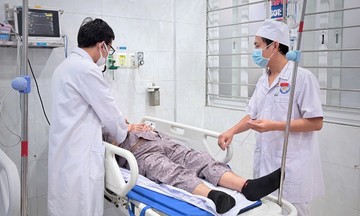
Experts emphasize that healthy individuals, regardless of age, can contract dengue fever and experience severe progression. Many cases show rapid deterioration and sudden worsening. Without early detection and correct treatment, the disease can advance to dangerous stages, involving plasma leakage, hemoconcentration, and dengue shock. Some cases lead to multi-organ failure, affecting the liver, kidneys, heart, lungs, and brain. Severe manifestations include internal bleeding, nosebleeds, or vomiting blood.
For individuals with underlying liver conditions, dengue fever can cause liver damage, potentially leading to death if it progresses to acute liver failure on a chronic liver disease background.
The CDC recommends that, in addition to vector control, vaccination is a proactive solution to prevent dengue fever, limit the risk of illness and severe complications, and mitigate health and economic risks.
Phu Cat
This material was produced by Takeda Vietnam Pharmaceutical Co., Ltd. and the Vietnam Preventive Medicine Association. All medical information presented by healthcare professionals does not represent the commercial views of any company.
The content aims to educate and raise community awareness; it is not intended for diagnosis or to replace advice from healthcare personnel. Please consult a doctor for further guidance.