|
Rainbow chard is a rich source of lutein and zeaxanthin. These two carotenoids (natural plant pigments responsible for yellow, orange, and red hues in fruits and vegetables) play a vital role in protecting the retina. As antioxidants, lutein and zeaxanthin absorb significant amounts of blue light, preventing it from entering the eye and safeguarding eye cells from damage.
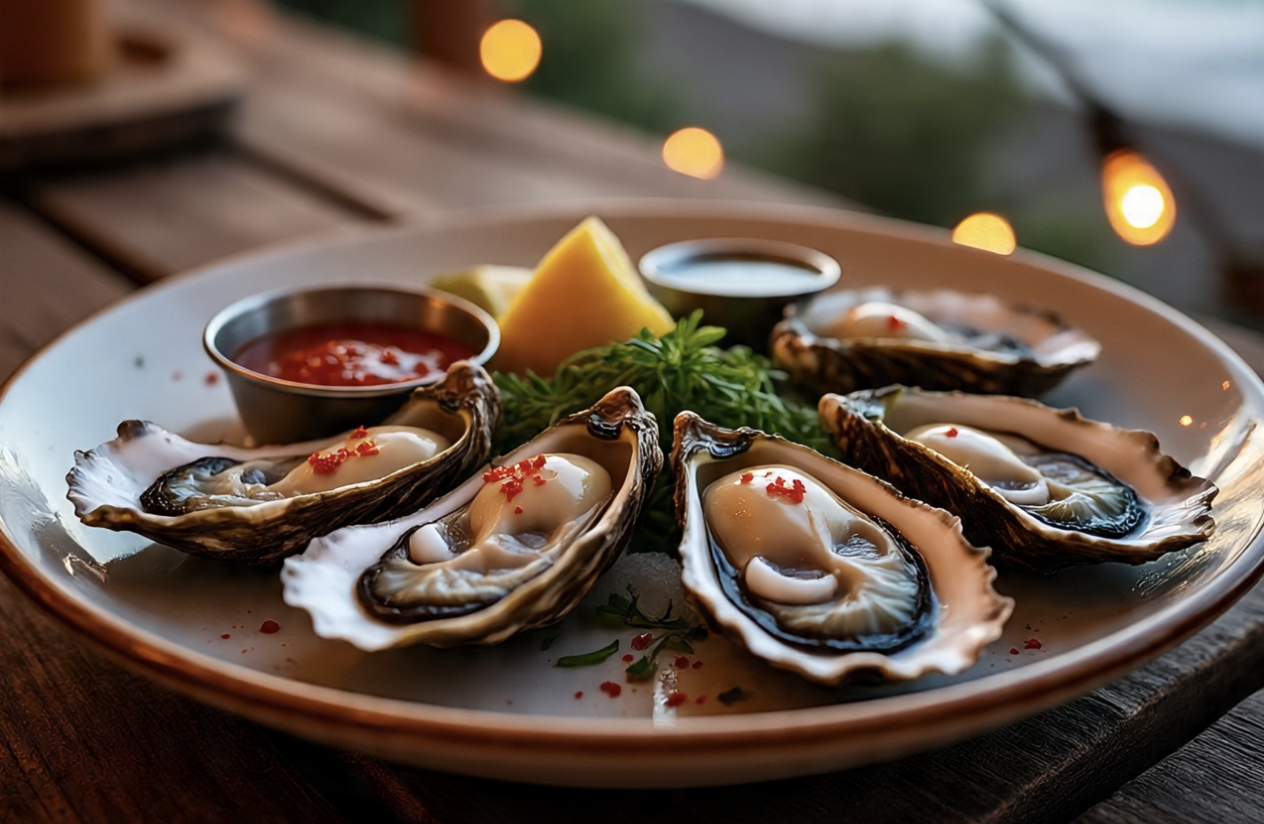 |
Oysters are a key source of zinc, a mineral essential for eye health. Zinc is crucial for activating over 300 enzymes in the body, some of which are involved in maintaining the structure and stability of retinal proteins. Oysters also provide other beneficial nutrients for eye health, including selenium, copper, and omega-3 fatty acids.
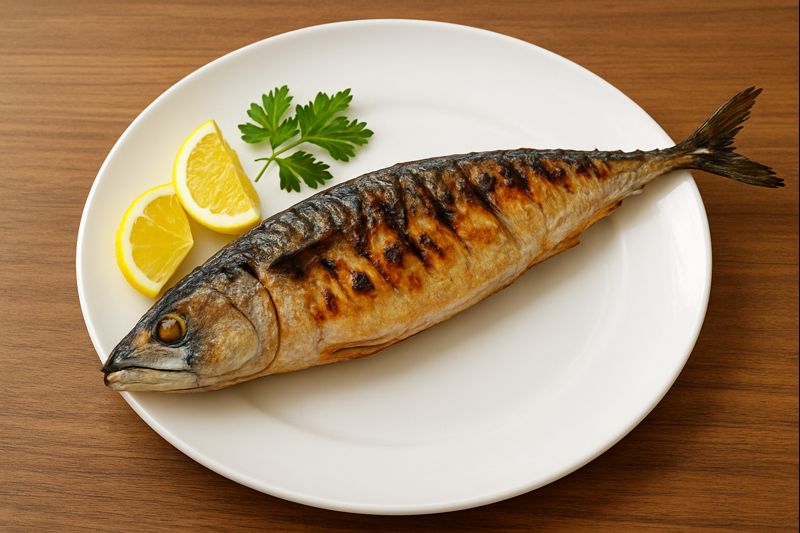 |
Mackerel, with its high omega-3 content, helps alleviate dry eye syndrome. Dry eyes often result from insufficient tear production and a compromised tear film. Although tears are primarily water, they also contain mucus and oil components. A deficiency in essential fatty acids like DHA and EPA can contribute to dry eye symptoms.
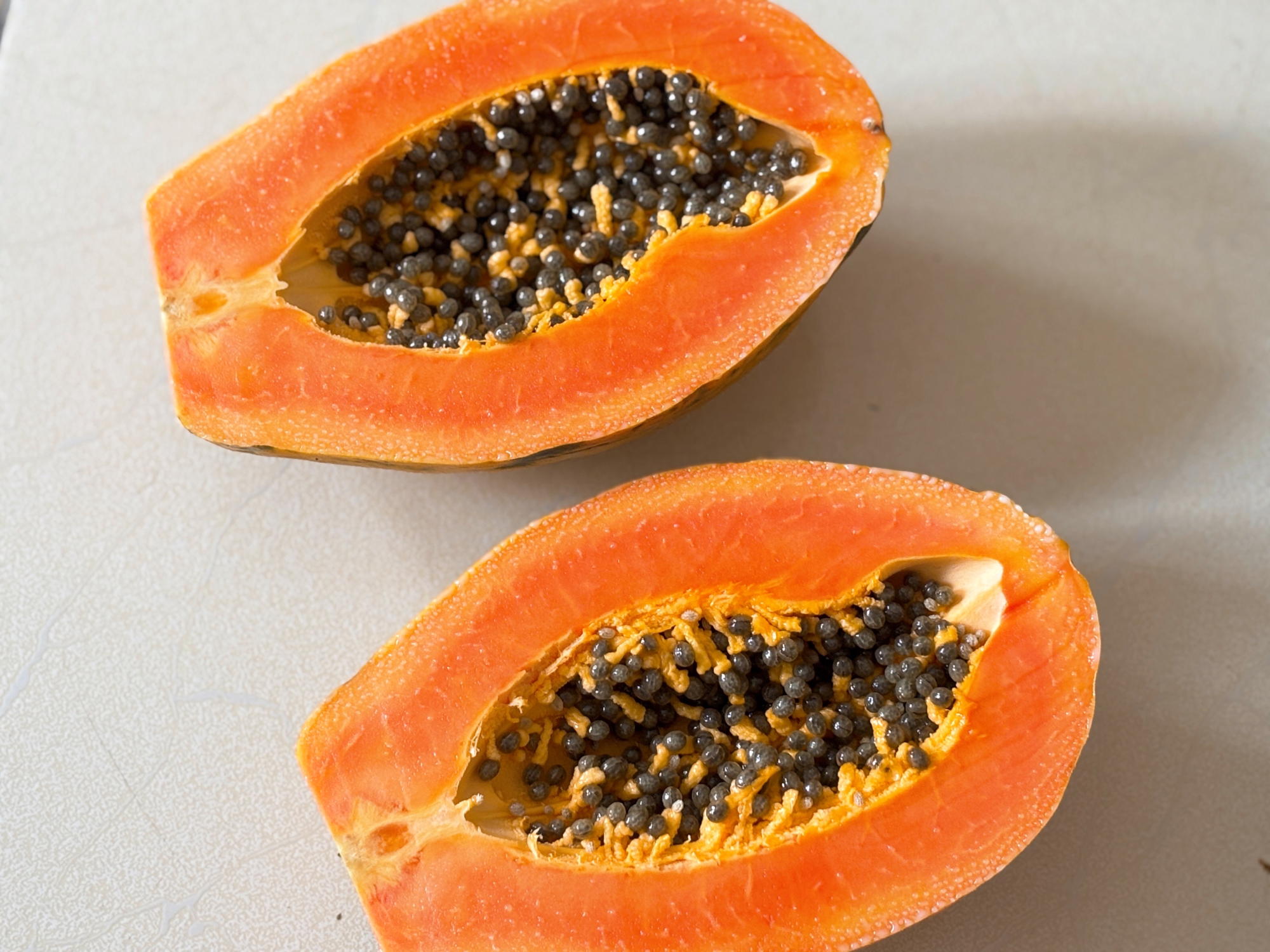 |
Papaya’s orange and reddish-orange hues come from lycopene, a carotenoid known to slow cataract formation. Additionally, this fruit contains vitamin C, an antioxidant that protects the eyes from damage.
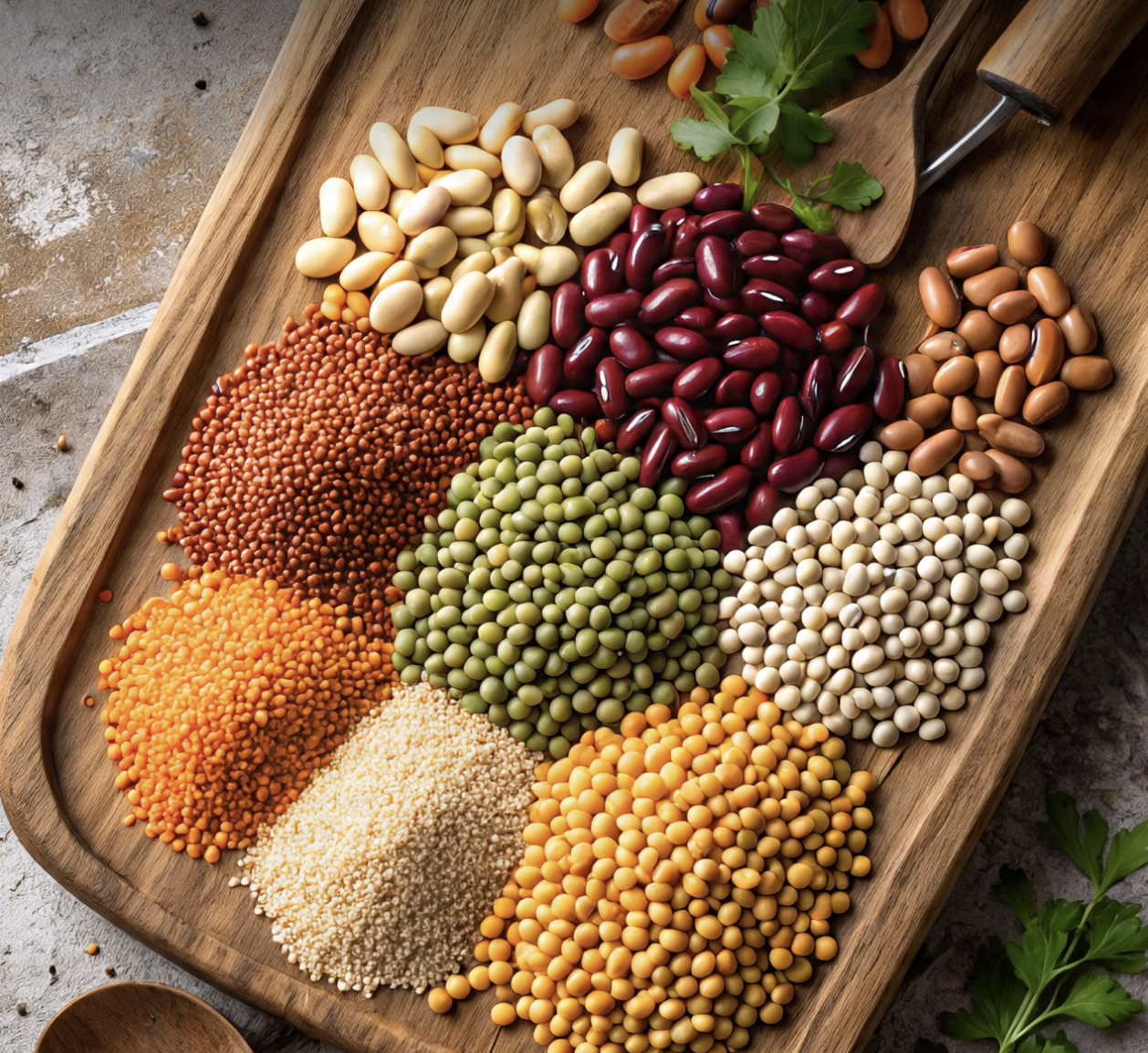 |
Legumes, with their lower glycemic index and high fiber content, promote healthy blood sugar regulation, helping to prevent diabetic retinopathy. Varieties such as mung beans, lentils, and kidney beans also provide other important eye nutrients, including zinc and B vitamins.
By Bao Bao (According to Eatingwell)
Photos: Bao Bao, AI