Acid reflux occurs when gastric acid flows back from the stomach into the esophagus, causing heartburn or a burning sensation in the chest. While it can be triggered by overeating or strenuous activity after meals, it is the most common symptom of gastroesophageal reflux disease.
Individuals who are obese, regularly consume spicy or high-fat foods, or drink carbonated beverages and alcohol are more prone to acid being pushed back from the stomach into the esophagus, increasing their risk of developing the condition.
Some common symptoms of gastroesophageal reflux disease include: a burning sensation in the throat, which may worsen after eating; a bitter or sour taste in the mouth due to gastric fluid refluxing into the mouth; bad breath; a sensation of a lump in the throat; a dry cough; abdominal pain; and nausea.
According to Master. Doctor Nguyen Huy Thanh, from the Department of Gastroenterology, Hepatology, and Pancreatology at Tam Anh General Hospital Hanoi, diagnosing gastroesophageal reflux disease relies on information regarding symptoms, medical history, and current health status.
If reflux occurs less than two times per week or a few times a month, patients typically do not require extensive diagnostic procedures. However, if reflux occurs more than three times a week or causes significant discomfort, doctors may recommend additional tests.
24-hour esophageal pH impedance monitoring
Esophageal pH impedance monitoring measures the presence of fluid in the esophagus. Gastric fluid refluxed into the esophagus may not always be highly acidic, which can lead to a negative pH test result. Nevertheless, the extent of fluid accumulation in the esophagus can assist doctors in diagnosing the underlying cause.
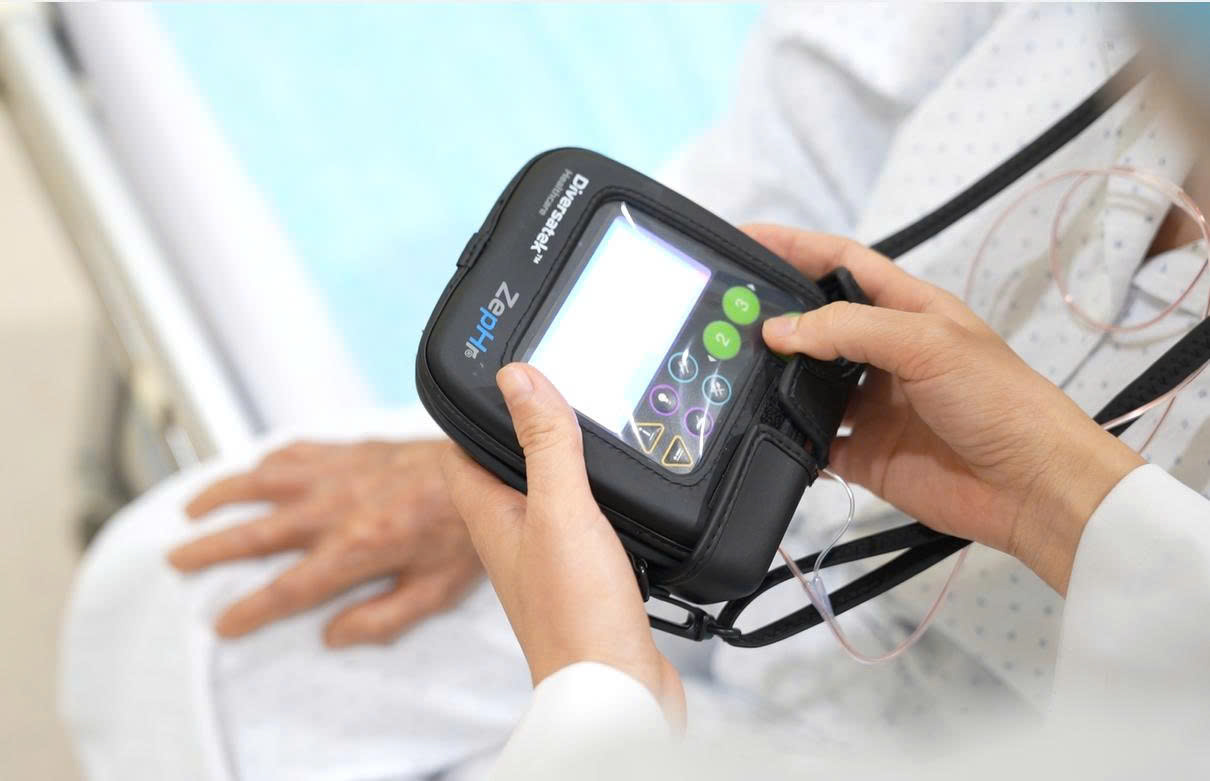 |
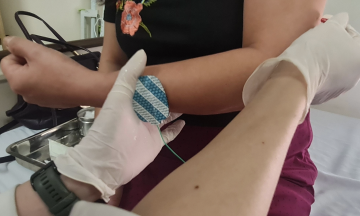
Patients undergo 24-hour esophageal pH impedance monitoring to evaluate gastroesophageal reflux disease. Photo: Tam Anh General Hospital |
Patients undergo 24-hour esophageal pH impedance monitoring to evaluate gastroesophageal reflux disease. Photo: Tam Anh General Hospital
Upper gastrointestinal endoscopy
A doctor inserts a flexible tube equipped with a camera through the mouth and throat, advancing it into the esophagus and stomach to examine the lining for signs of damage or structural abnormalities that could increase reflux risk. This procedure also allows doctors to check for other conditions, such as Barrett's esophagus, which is a precancerous condition of the esophagus.
Barium swallow
During this test, patients swallow a liquid containing barium sulfate. This contrast agent, visible on X-ray images, helps identify any abnormalities or lesions in the esophagus, throat, and stomach.
Thanh Ba
| Readers can submit questions about digestive diseases here for doctors to answer. |