Answer:
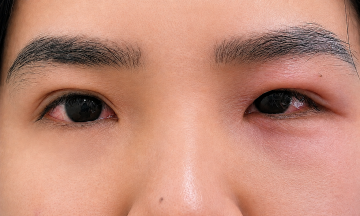
Ptosis, or drooping eyelid, is a condition where the eyelid sags, partially or completely covering the pupil. It can affect one or both eyes. A common cause is aging, which leads to loss of skin elasticity and weakening of the levator palpebrae muscle. Ptosis can also be linked to eye infections, eyelid tumors, damage to cranial nerve three, Horner's syndrome, myasthenia gravis, or abnormalities in the levator muscle.
Beyond its cosmetic impact, ptosis can obscure vision, reduce visual acuity, and force individuals to raise their eyebrows or tilt their head to see.
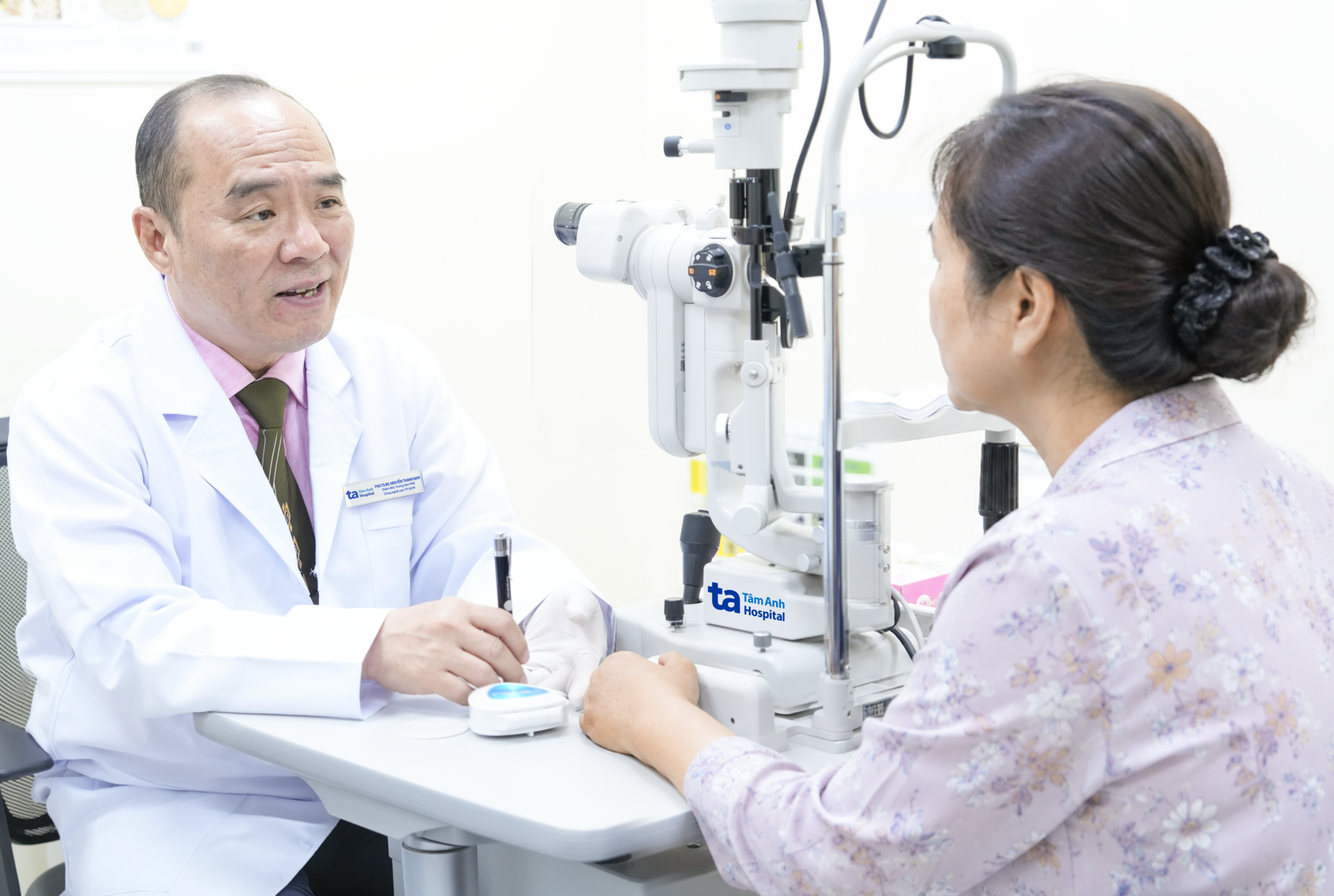 |
Associate Professor, Doctor Nguyen Thanh Nam examines and advises a woman. Illustration: Tam Anh General Hospital
The appropriate treatment method is chosen by a doctor based on the cause and severity of the ptosis. Surgery is the most effective solution, helping to adjust the levator muscle and return the eyelid to its normal position. When necessary, the doctor may combine this with the removal of excess skin and fat and the creation of an eyelid crease to expand the field of vision, improving both visual function and aesthetics.
In older adults, the aging process often coincides with a decline in organ function and an increased risk of chronic conditions such as diabetes, hypertension, cardiovascular disease, and kidney failure. These conditions do not present an absolute contraindication for ptosis surgery. However, patients require a comprehensive examination and assessment, and their underlying conditions must be well-controlled before intervention. An ophthalmologist will collaborate with relevant specialists to evaluate risks, adjust the surgical approach, and monitor the patient's health during and after surgery to ensure safety and optimize treatment effectiveness.
Individuals with type 2 diabetes can still undergo ptosis surgery if their blood sugar is well-controlled. Conversely, high blood sugar increases the risk of infection, slows wound healing, and prolongs recovery time.
Before surgery, you need a general health assessment, blood sugar control, and must inform your doctor about all medications you are currently taking. An eye examination is also necessary to detect conditions such as blepharitis, conjunctivitis, chalazion, or stye. If any inflammation is present, it must be treated and stabilized before surgery to reduce the risk of complications.
While ptosis is often linked to aging or congenital factors, it can sometimes signal neurological conditions like stroke, cerebral hemorrhage, or myasthenia gravis. When eyelid drooping is unusual, patients should visit an ophthalmology specialist to receive an examination, determine the cause, and obtain timely treatment.
Associate Professor, Doctor Nguyen Thanh Nam
Director, High-Tech Eye Center
Tam Anh General Hospital System, Ho Chi Minh City
| Readers can send questions about ophthalmic conditions here for a doctor's response. |