Initial tests at Tam Anh General Hospital in Ho Chi Minh City revealed signs of systemic infection in the patient. Liver enzyme levels rose approximately 5-10 times the normal limit. Total bilirubin increased to 106,9 µmol/L and direct bilirubin to 60,9 µmol/L, several times higher than normal, causing distinct jaundice and yellow eyes.
Test results confirmed the patient had a Leptospira infection, a bacterium commonly found in water, moist soil, or environments contaminated by animal urine, especially from rats.
Doctor Nguyen Hoang Anh Duy, from the Department of General Internal Medicine at Tam Anh General Hospital in Ho Chi Minh City, stated that this case was unique because Toan had chronic hepatitis B for over 20 years, already had liver fibrosis, and was receiving inconsistent antiviral treatment. Both chronic hepatitis B and leptospirosis can cause jaundice and yellow eyes due to liver dysfunction and bilirubin metabolism disorders. The similarity in symptoms makes identifying the cause difficult based solely on clinical manifestations. If the condition is missed, patients risk serious complications.
 |
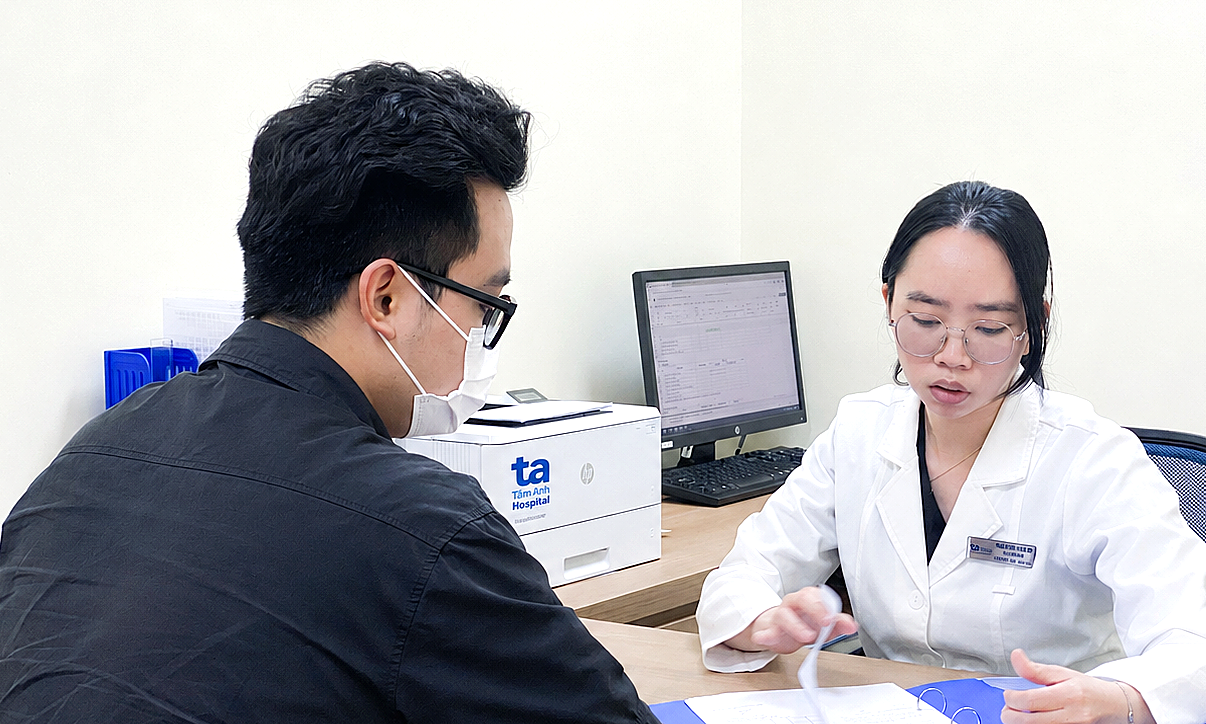
Doctor Duy explains the Leptospira infection to the patient. *Photo: Tam Anh General Hospital*
In individuals with chronic hepatitis B and liver fibrosis, such as Toan, a Leptospira infection can not only cause acute liver damage but also further impair already compromised liver function. The bacteria can also lead to kidney failure, hemorrhage, sepsis, and multi-organ damage if not treated promptly.
After antibiotic treatment and liver support measures, Toan's fever gradually subsided, his skin and eyes became less yellow, and his health improved significantly. He was discharged after two weeks.
According to Doctor Duy, leptospirosis is not uncommon in Vietnam but is often overlooked because its initial symptoms resemble the flu or viral fever. Patients typically experience sudden high fever, headache, muscle pain, and fatigue. Severe cases can present with jaundice, liver failure, kidney failure, hemorrhage, or life-threatening sepsis.
The risk of contracting the disease is not limited to outdoor workers or those in polluted environments. Doctor Duy warned that anyone could contract leptospirosis if they frequently come into contact with environments where rats live or with damp, contaminated areas without being aware. For example, Toan, who works in an office and maintains a healthy lifestyle with regular exercise, still contracted the disease due to environmental factors. The area around the patient's home had many trees, bushes, and rats, creating conditions for the bacteria to survive and spread.
When fever persists, especially if accompanied by jaundice, yellow eyes, or unusual fatigue, patients should seek immediate medical attention. Self-treating at home for several days can lead to severe progression of the disease and missed opportunities for effective treatment.
Prevention involves: maintaining a clean living environment, clearing bushes around the house, properly collecting waste, and limiting rodent habitats. Wear protective gloves and boots when cleaning damp, flooded, or potentially contaminated areas with animal waste. Skin abrasions should be carefully covered when exposed to outdoor environments.
Nhat Thanh
*Patient's name has been changed