Adhere to your doctor's treatment instructions
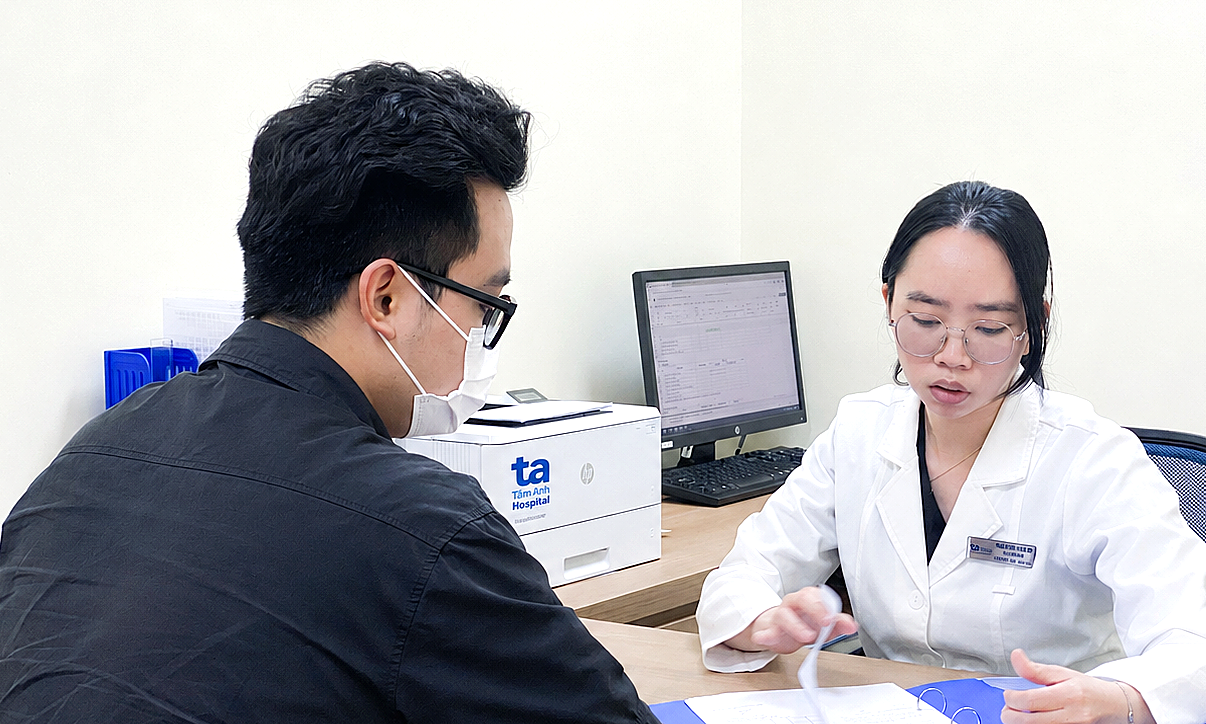
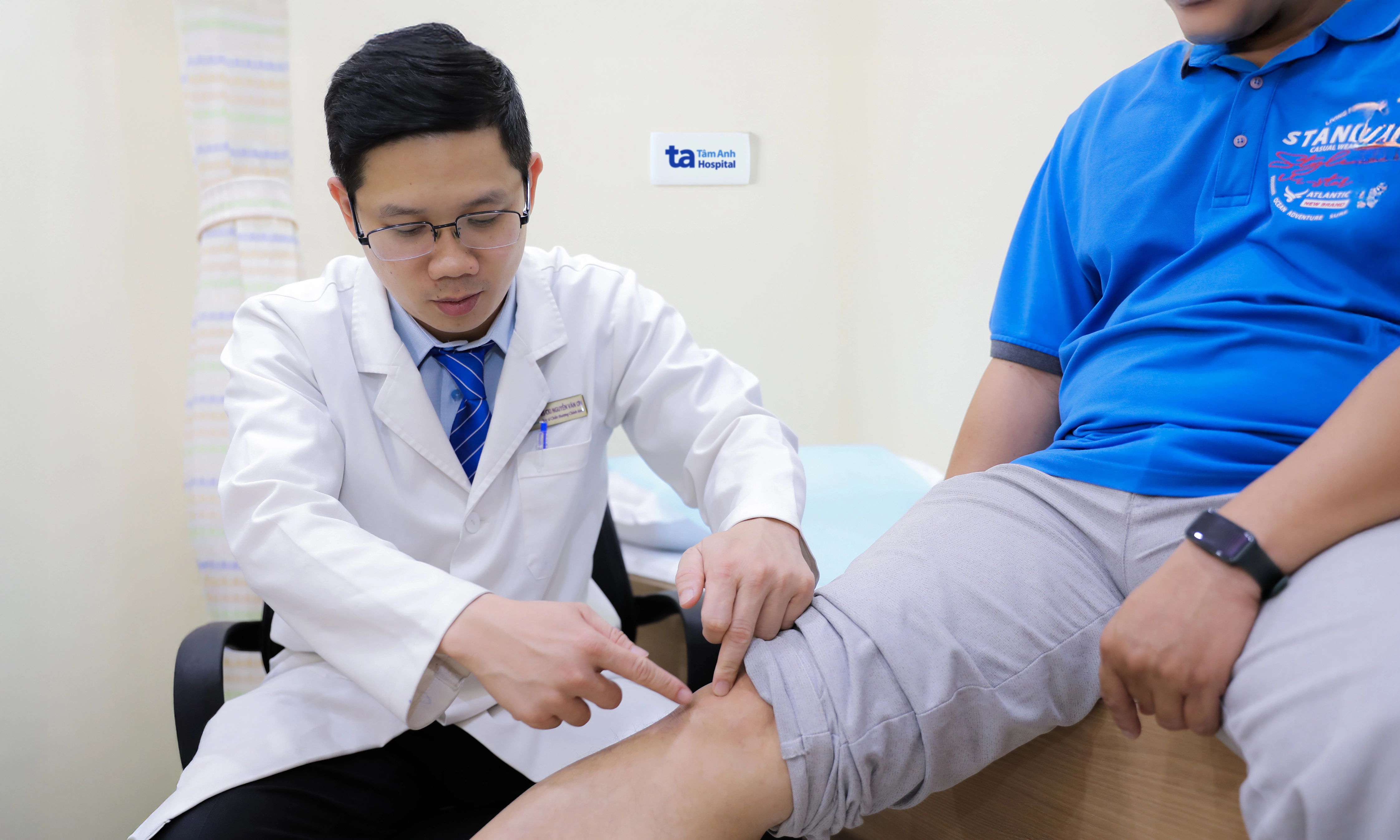
According to Eating Well, after a high blood pressure diagnosis, patients should discuss their condition and monitoring plan thoroughly with their doctor. If medication is prescribed, patients must take the correct dose at the right time and attend follow-up appointments as scheduled. Do not stop medication on your own even if blood pressure appears stable, as readings can rise again without causing symptoms.
Monitor blood pressure at home
Home blood pressure measurement helps assess treatment effectiveness and detect abnormal fluctuations early. Patients should record blood pressure readings, heart rate, time of measurement, and any influencing factors such as stress, insomnia, or forgotten medication doses. This information assists doctors in evaluating the disease's progression and adjusting the treatment plan as needed.
Reduce salt intake in your diet
High salt consumption is a factor that increases blood pressure in many individuals. Salt causes the body to retain more water, increasing blood volume and placing additional pressure on blood vessel walls. Individuals with high blood pressure should not consume more than 5 g of salt daily (about one teaspoon). Prioritize using natural seasonings such as onion, garlic, ginger, pepper, lemon, or herbs to enhance meal flavors.
 |
People with high blood pressure should reduce salt when preparing meals to protect their health. *Photo: Bui Thuy* |
Adopt a heart-healthy diet
Patients should increase their intake of green vegetables, fruits, whole grains, legumes, fish, low-fat dairy, and healthy fats like olive oil, avocado, or nuts. Concurrently, patients should limit fatty red meat, foods high in saturated fat, fried dishes, and sugary drinks.
Maintain regular physical activity
Physical activity helps the heart pump blood more efficiently and supports blood pressure control. Patients can choose suitable forms of exercise such as brisk walking, cycling, swimming, or tai chi. Patients should start with moderate intensity if they were previously inactive and gradually increase it according to their ability. Before engaging in high-intensity sports, patients should consult their doctor, according to Very Well Health.
Quit smoking, limit alcohol
Nicotine in tobacco constricts blood vessels, temporarily raising blood pressure and accelerating atherosclerosis. Meanwhile, excessive alcohol consumption can increase blood pressure and affect the effectiveness of treatment medications.
Manage stress and get enough sleep
Prolonged stress can elevate blood pressure as the body continuously releases hormones like adrenaline and cortisol. Patients should dedicate time to relaxation through reading, listening to music, meditation, deep breathing, or engaging in favorite activities. Sleeping 7-9 hours each night and maintaining a regular sleep schedule helps the body recover and supports blood pressure stability.
Le Nguyen (Compiled)
| Readers can send questions about cardiovascular disease here for doctors to answer |