 |
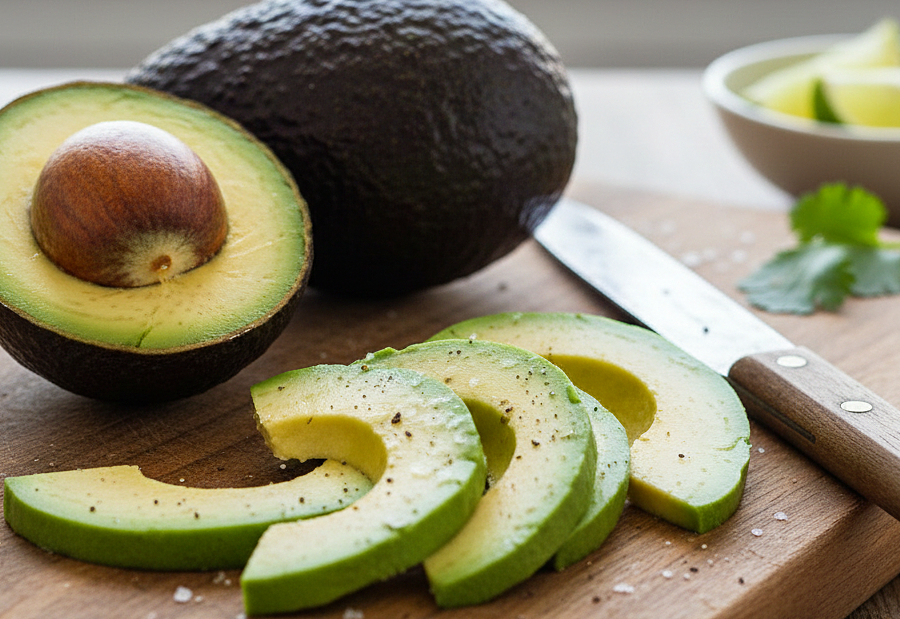
Avocado is rich in magnesium, a mineral vital for insulin secretion and carbohydrate metabolism. A 200 g avocado provides nearly 14 g of fiber and abundant omega-3 saturated fats, which can reduce inflammation and prevent post-meal blood sugar spikes. |
Salmon contains almost no carbohydrates and is rich in protein, promoting satiety and slowing the breakdown of other foods. Its omega-3 fats have anti-inflammatory properties, supporting efficient insulin use.
According to Health, individuals with diabetes or blood sugar concerns should opt for grilled or pan-fried salmon for breakfast, avoiding fried preparations or heavy sauces. Pairing salmon with non-starchy vegetables at lunch can help maintain stable blood sugar throughout the day.
 |
Chicken contains no carbohydrates but is rich in protein (26 g of protein per 85 g serving). People with diabetes should consume skinless chicken two to three times a week to add beneficial protein, which aids muscle gain, promotes satiety, and helps maintain optimal blood sugar levels throughout the day. |
 |
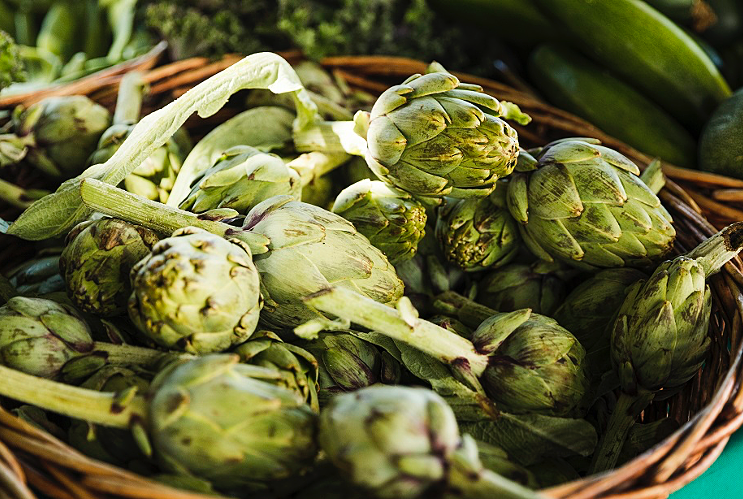
Artichokes are a low-glycemic fiber source. Consuming artichokes before a carbohydrate-rich meal can help reduce post-meal blood sugar levels. Artichokes also have a high magnesium content, making them a prime choice to calm the mind, promote relaxation, and enhance sleep quality. |
Greek yogurt is a suitable choice for a healthy breakfast or lunch for people with diabetes. According to Healthline, a 100 g cup of Greek yogurt offers 8 g of protein, double the amount found in regular yogurt.
Beyond its high protein content, Greek yogurt also provides probiotics beneficial for gut health. Its mild sweetness and low glycemic index help maintain stable blood sugar levels.
 |
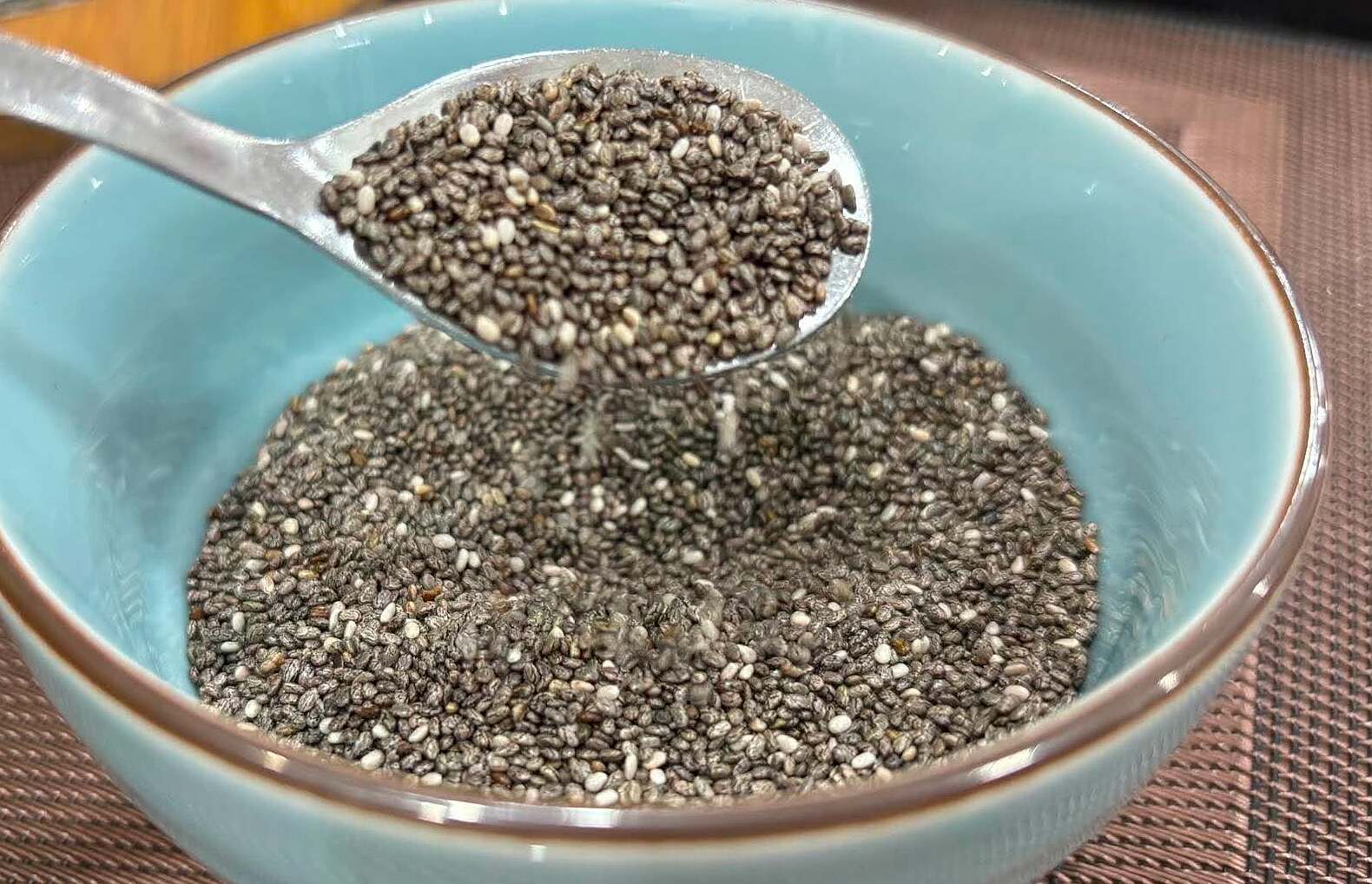 |
Black chia seeds are rich in fiber and other nutrients, helping to slow digestion and regulate blood sugar. 29 g of chia seeds provide 10 g of fiber, meeting 35% of the daily fiber requirement and promoting healthy bowel movements—a crucial factor for blood sugar management.
According to WebMD, these seeds are rich in magnesium, which aids in better sleep and improves the function of beta cells, the pancreatic cells responsible for producing and secreting insulin.
 |
By Anh Chi (Compiled)
Photos: Anh Chi, Bui Thuy, AI