Magnesium participates in over 300 biochemical reactions in the body, contributing to the normal function of muscles, the nervous system, and the cardiovascular system. Many plant-based foods are rich in this mineral, also providing fiber, vitamins, and antioxidants.
Pumpkin seeds
According to Times of India, pumpkin seeds contain magnesium that helps regulate muscle contraction and relaxation, reducing the risk of cramps and maintaining stable nerve function. This food is also rich in plant protein, unsaturated fats, and fiber, which aid digestion, along with micronutrients like zinc, iron, copper, and vitamin E.
Choose dry-roasted pumpkin seeds without added salt or sugar. Consume about a small handful (20-30 g) daily as a snack or sprinkle them on salads, yogurt, oats, or smoothies.
Almonds
One hundred grams of almonds provide approximately 260-270 mg of magnesium, which helps stabilize blood sugar, improve sleep, and protect cardiovascular health. Adding almonds to your diet also supports more efficient muscle activity and reduces post-exercise fatigue. The vitamin E in almonds acts as an antioxidant, helping to protect cells from free radical damage.
Cashews
Cashews are rich in magnesium and many beneficial nutrients such as plant protein, unsaturated fats, copper, iron, and zinc. The magnesium in cashews helps maintain the normal function of muscles and the nervous system. These are a suitable snack for vegetarians looking to increase their magnesium intake. However, opt for unsalted or low-salt roasted cashews to avoid excessive sodium consumption.
Soybeans
Tofu and unsweetened soymilk are good sources of magnesium. These foods also contain complete proteins with essential amino acids that help maintain and restore muscle mass. Soybeans further provide unsaturated fats, fiber, iron, potassium, and isoflavone compounds with antioxidant properties.
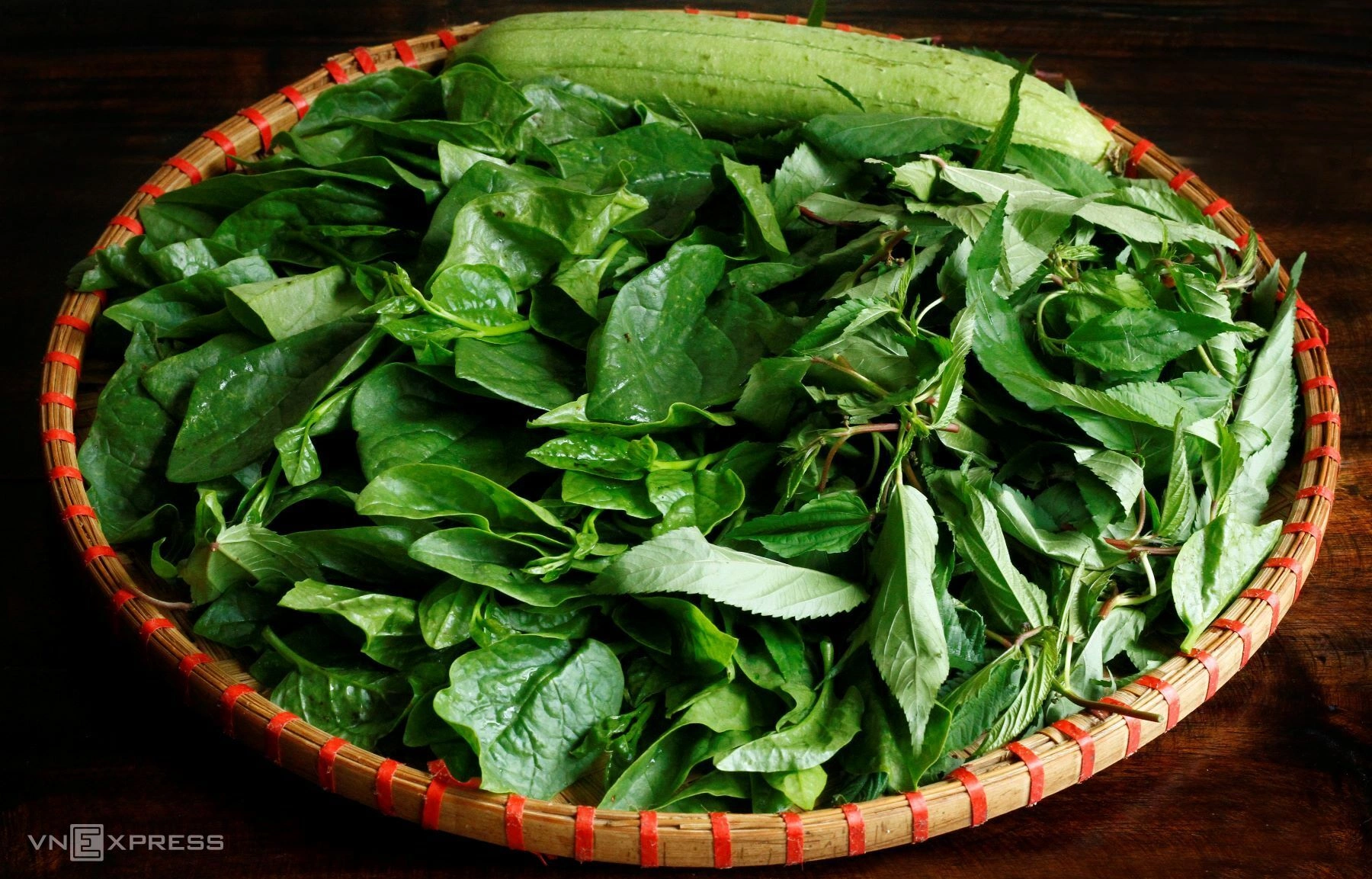 |
Green vegetables are rich in magnesium. Photo: Bui Thuy |
Dark leafy greens
The magnesium in green vegetables like spinach, kale, and amaranth helps meet daily mineral requirements, thereby supporting the normal function of muscles and the nervous system. This food group is also low in energy but rich in micronutrients, making it suitable for regular inclusion in your diet.
In addition to magnesium, dark leafy greens contain potassium, folate, vitamin C, vitamin K, and antioxidants. Potassium works with magnesium to maintain muscle function and electrolyte balance, while vitamin C supports collagen formation for tendons and ligaments. Antioxidants in green vegetables also help reduce cell damage from oxidative stress, according to Eating Well.
Oats
Oats are rich in magnesium, beta-glucan fiber, and complex carbohydrates. A breakfast of oats combined with soymilk, chia seeds, and other nuts is a nutritious choice.
To maximize magnesium intake from food, individuals should build a diverse diet. Simultaneously, limit ultra-processed foods, sugary soft drinks, and alcohol, as these can affect mineral balance in the body.
By Le Nguyen (Compiled)
| Readers can ask nutrition questions here for doctors to answer |