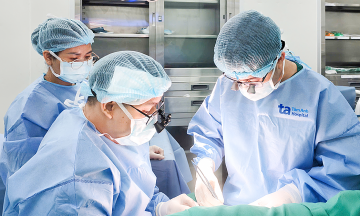
Doctor Le Thi Huong Giang, Head of the Nutrition Department at 19-8 Hospital (Ministry of Public Security), stated that sticky rice cakes are similar to mooncakes but feature more appealing and novel preparation and appearance, making them "hot" on social media. However, she warned that these are high-energy foods, and consuming too much can impact health.
Traditional sticky rice cakes are often made from glutinous rice flour, sugar, lotus seeds, salted eggs, and various high-fat fillings. According to the Vietnamese Food Composition Table from the National Institute of Nutrition, a traditional sticky rice cake weighing about 350g typically provides 950-1,250 kcal, with the exact amount varying based on the filling, sugar, and fat used.
"This energy amount is equivalent to about 5-6 bowls of white rice, or nearly one-half to two-thirds of an adult's daily energy needs, with a recommended intake of about 2,000 kcal/day," Ms. Giang stated.
These cakes contain significant refined starch, sugar, and fat, making it easy to consume excess calories in a single serving. Eating a large sticky rice cake in one sitting can also rapidly increase blood sugar, prompting the body to produce more insulin to manage the large sugar intake. The World Health Organization (WHO) recommends adults consume less than 50g of free sugar daily, with an ideal intake below 25g. However, a large sticky rice cake contains 50 to 80g of sugar, far exceeding this safe limit.
"Regularly maintaining this habit increases the risk of overweight, obesity, and metabolic disorders," Doctor Giang emphasized.
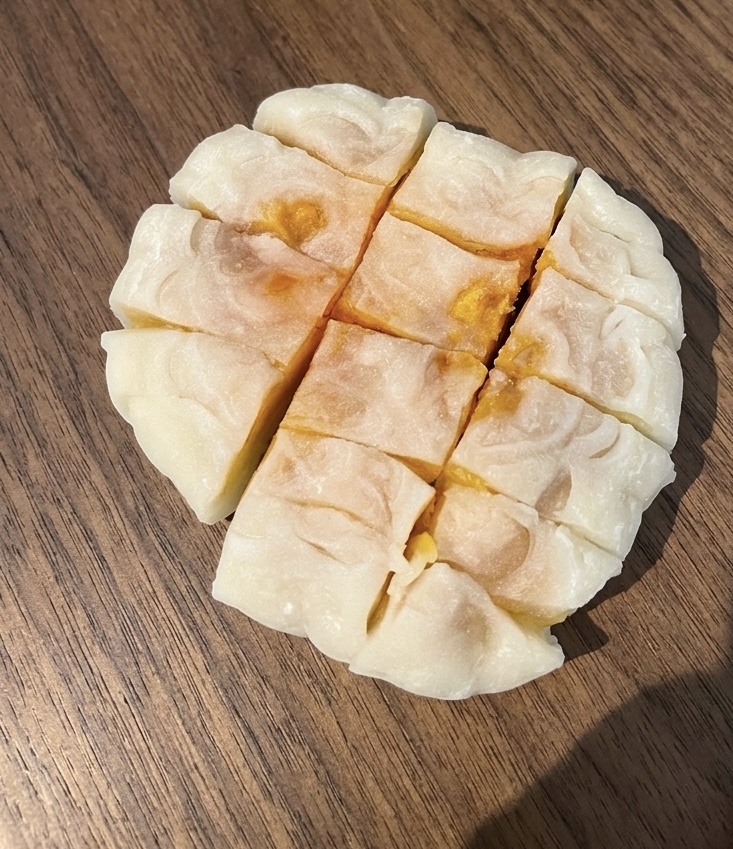 |
Sticky rice cakes are a novel, "hot" food on social media but pose many potential health risks if eaten excessively. *Photo: Thu Ha*. |
The expert advises against consumption for individuals with diabetes, pre-diabetes, obesity, fatty liver, dyslipidemia, high blood pressure, cardiovascular disease, and the elderly. Healthy individuals should only consume about one-eighth to one-sixth of a cake, equivalent to 40 to 60g per serving.
The most suitable times to eat these cakes are after main meals, or in the morning and early afternoon. Consumption should be avoided in the evening or immediately before bedtime. Eating on an empty stomach is not recommended, as it can lead to overeating.
After consuming the cakes, individuals should reduce their intake of rice, sticky rice, bread, and other sweets. They should increase vegetable intake, drink enough water, and engage in physical activity for about 30 minutes to maintain energy balance. Prioritizing moderately sized cakes and dividing them into smaller portions can also help minimize health risks.
Thuy An