Answer:
Hot weather causes discomfort and can impact vital organs such as the brain, lungs, kidneys, and heart. As ambient temperatures rise, the body increases sweat production through the skin to regulate heat and maintain a stable core temperature. This process leads to the loss of water and electrolytes, reducing circulatory volume and compelling the heart to work harder to sustain circulation and stabilize body temperature.
Many people habitually drink large quantities of water to quench their thirst or add ice for rapid cooling. However, ingesting a significant volume of water in a short period can abruptly disrupt the body's fluid and electrolyte balance. This can overload the circulatory system, leading to an increased heart rate and blood pressure, which further strains the heart muscle. Excessive water consumption also dilutes blood electrolyte concentrations, particularly sodium, potentially causing serious cardiovascular and neurological issues.
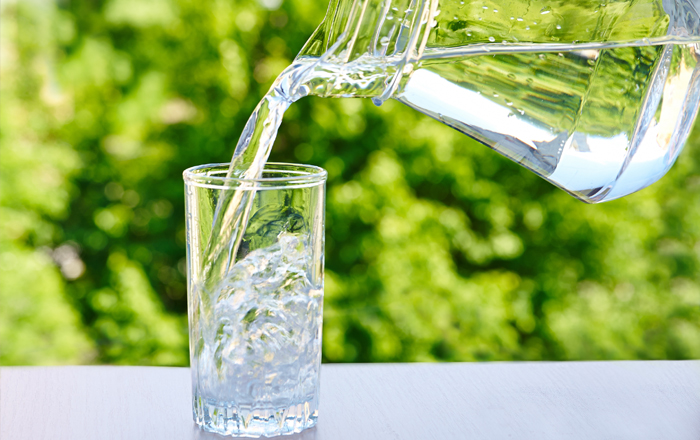 |
Drinking a large amount of water at once can increase the burden on the heart. Photo created by AI.
It is advisable not to wait until you feel thirsty to drink water. During hot weather, you should sip water steadily throughout the day rather than consuming a large amount at once, which can prevent sudden strain on the heart.
If you are working in hot weather, drink water every 15-20 minutes, ensuring you do not exceed 1,5 liters per hour. After prolonged sun exposure or intense physical activity, rest for several minutes before drinking. Immediately consuming cold water should be avoided, as its low temperature can cause vasoconstriction, requiring the heart to increase its activity to adapt.
The choice of beverage is also crucial. Plain water should be prioritized, while sugary or caffeinated drinks such as soft drinks, bottled juices, sugarcane juice, and coffee should be limited. Coconut water can help replenish electrolytes due to its potassium and mineral content, but it should not entirely substitute plain water.
Adults should aim to drink 1,5-2,5 liters of water daily, depending on their body weight. This intake may need to be adjusted based on activity levels and weather conditions. Individuals with hypertension, heart failure, diabetes, or kidney disease may have altered fluid requirements and should seek guidance from their treating physician.
Consuming plenty of green vegetables and fruits rich in vitamins and minerals helps support electrolyte balance. Additionally, incorporating GDL-5 essence, which contains policosanol derived from South American sugarcane wax, can help protect blood vessels, maintain stable circulation, and enhance cardiovascular health during extended periods of hot weather.
Master, Doctor Doan Vinh Binh
Medical Information Center
Tam Anh General Hospital TP HCM
| Readers can submit questions about cardiovascular disease here for a doctor's consultation |