A common cold is an upper respiratory viral infection primarily affecting the nose and throat, causing a runny nose, sore throat, and then a cough. The illness is usually most severe during the first two to three days, with most individuals recovering after seven to 10 days.
Pneumonia, conversely, is a lung tissue infection where the alveoli become filled with fluid or pus, impairing oxygen exchange and leading to a cough, fever, chest pain, and shortness of breath.
Doctor Than Thi Ngoc Lan, from the Department of Respiratory Medicine at Tam Anh Cau Giay General Clinic, states that a cough is a common symptom in both colds and pneumonia. However, the coughs associated with these two conditions differ.
A cold cough typically accompanies other upper respiratory inflammation symptoms such as a mild sore throat, sneezing, or a runny or stuffy nose. Its severity ranges from mild to moderate and gradually lessens as the illness subsides. The cough produces little or white phlegm, which is easily expelled. This type of cough may linger for some time after other symptoms have disappeared, but its severity does not increase.
In contrast, a pneumonia cough tends to worsen over time and does not improve after a few days, unlike a cold. Patients may experience a dry cough or a cough with yellow, green, or rust-colored phlegm. This cough is often accompanied by a high fever, chills, chest pain that intensifies with coughing or deep breaths, rapid breathing, or shortness of breath. Children frequently present with a persistent fever above 38 degrees C, recurrent fever alongside a cough, and wheezing.
 |
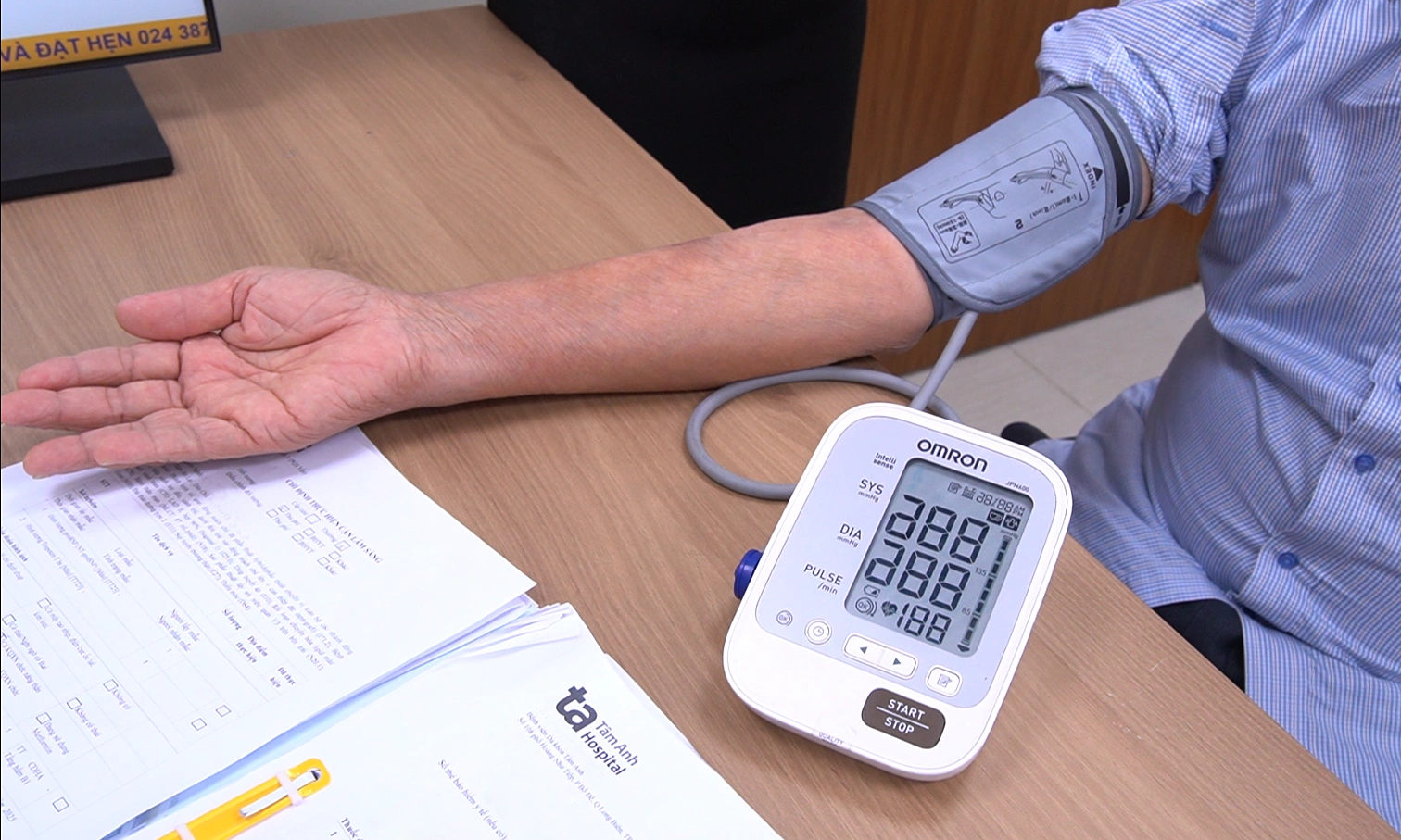
Patients with a cough accompanied by shortness of breath should seek medical attention. Photo: Duong Anh
Depending on the specific type of pneumonia, cough symptoms can vary. Acute pneumonia often begins abruptly with frequent coughing, yellow phlegm, a high fever, and distinct chest pain, especially pain that increases with coughing or deep breaths. In contrast, chronic pneumonia develops gradually; patients may only experience a persistent cough with mild or no fever, making it easily mistaken for other respiratory illnesses and often leading to a delayed diagnosis.
According to Doctor Lan, distinguishing between a cold and pneumonia requires evaluating all symptoms and the disease progression, not solely relying on the sound of a cough. If a cough is only accompanied by a runny nose and sore throat and improves after a few days, it is likely a common cold. However, if the cough worsens, accompanied by a high fever, chest pain, shortness of breath, or noticeable fatigue, patients should not be complacent, as these could be signs of pneumonia or another serious respiratory condition. Early medical attention is advised for timely diagnosis and treatment.
The elderly, young children, pregnant women, and individuals with chronic lung disease, cardiovascular disease, diabetes, or immunocompromised conditions face a higher risk of severe progression if they contract pneumonia.
Thuy Duong
| Readers can submit questions about respiratory illnesses here for doctors to answer. |