Answer:
Enterovirus 71 (EV71) is the cause of hand, foot, and mouth disease. In young children, this highly virulent virus can silently attack the nervous and cardiovascular systems, leading to dangerous complications.
The virus directly targets the heart muscle, causing myocarditis. It can also infiltrate the central nervous system, resulting in brainstem damage. The brainstem is crucial as it controls vital life functions such as respiration, circulation, heart rate, and blood pressure.
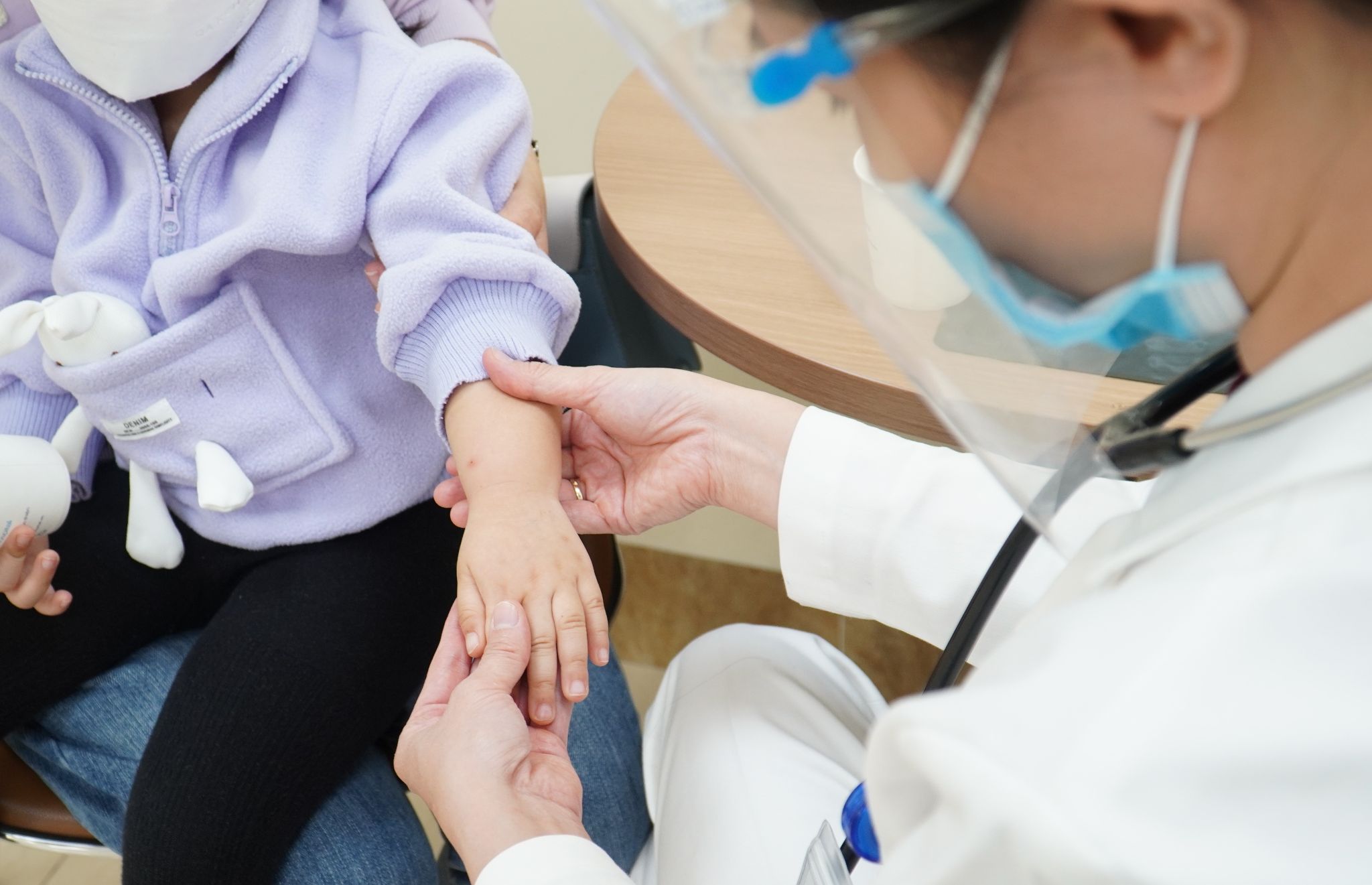 |
Doctors examining a child suspected of having hand, foot, and mouth disease. Photo: Tam Anh General Hospital |
One of the other severe complications EV71 can cause is acute pulmonary edema. This condition is often linked to brainstem damage, which triggers increased catecholamine secretion, heightened pulmonary capillary permeability, and a cytokine storm due to neurological dysfunction.
Early signs of cardiovascular complications often include an abnormally rapid heartbeat, fast pulse, and elevated blood pressure. Children may cry excessively, sweat profusely, have cold hands and feet, and breathe rapidly. Many parents mistakenly attribute these symptoms to a high fever or general fatigue from the illness. However, these are critical warning signs that the cardiovascular system is severely affected. In a short time, children can experience hypotension, cardiogenic shock, acute pulmonary edema, and circulatory failure.
Tests can reveal signs of circulatory system damage. An electrocardiogram may record sinus tachycardia or arrhythmias. Echocardiography helps assess myocardial contractility and detect early signs of heart failure. In severe cases, elevated cardiac enzymes, increased systemic inflammatory response, and high cytokine levels may appear.
Due to the serious complications, close monitoring of the child’s symptoms is essential. If your child shows any unusual signs, such as a fever over 39 degrees Celsius or lasting longer than 48 hours, frequent vomiting, lethargy or irritability, not feeding or feeding very little, startling, rapid breathing, difficulty breathing, mottled skin, coma, or seizures, seek immediate re-examination at the nearest medical facility. Children also need re-examination every 1-2 days during the first 7-10 days of the illness. If a child has a fever, re-examination is required daily until the fever has been absent for at least 48 hours.
MSc. Doctor Hoang Minh Tien
Pediatrics Department, Tam Anh General Hospital Hanoi