Social interaction extends beyond conversation, encompassing community engagement, teamwork, learning skills, and maintaining family connections. These engagements provide the brain with consistent stimulation.
Social interaction is crucial for brain health. Engaging in conversations, listening, emotional responses, and processing information activates multiple brain regions for: language, memory, attention, emotion, and executive function. This engagement preserves neural flexibility and delays age-related cognitive decline.
According to Master of Science, Doctor, Level II Specialist Pham Ngoc Danh Khoa from the Department of Neurology, Neuroscience Center, Tam Anh General Hospital TP HCM, limited or no social interaction results in prolonged reduced brain stimulation. This leads to less effective neural network function for language, memory, and emotion, impairing information processing and adaptation.
 |
A doctor is screening an elderly patient for dementia. Photo: Tam Anh General Hospital |
Social isolation and loneliness are linked to reduced hippocampal volume, a brain region vital for memory. Extended limited social interaction elevates stress hormones and triggers chronic inflammatory responses, negatively impacting brain circulation. These factors accelerate brain aging compared to those with an active social life.
Doctor Khoa notes that individuals with limited social interaction often exhibit reduced concentration, short-term memory impairment, slower reactions, and susceptibility to sadness and anxiety. For older adults, fewer social connections increase the risk of mild cognitive impairment progressing to dementia.
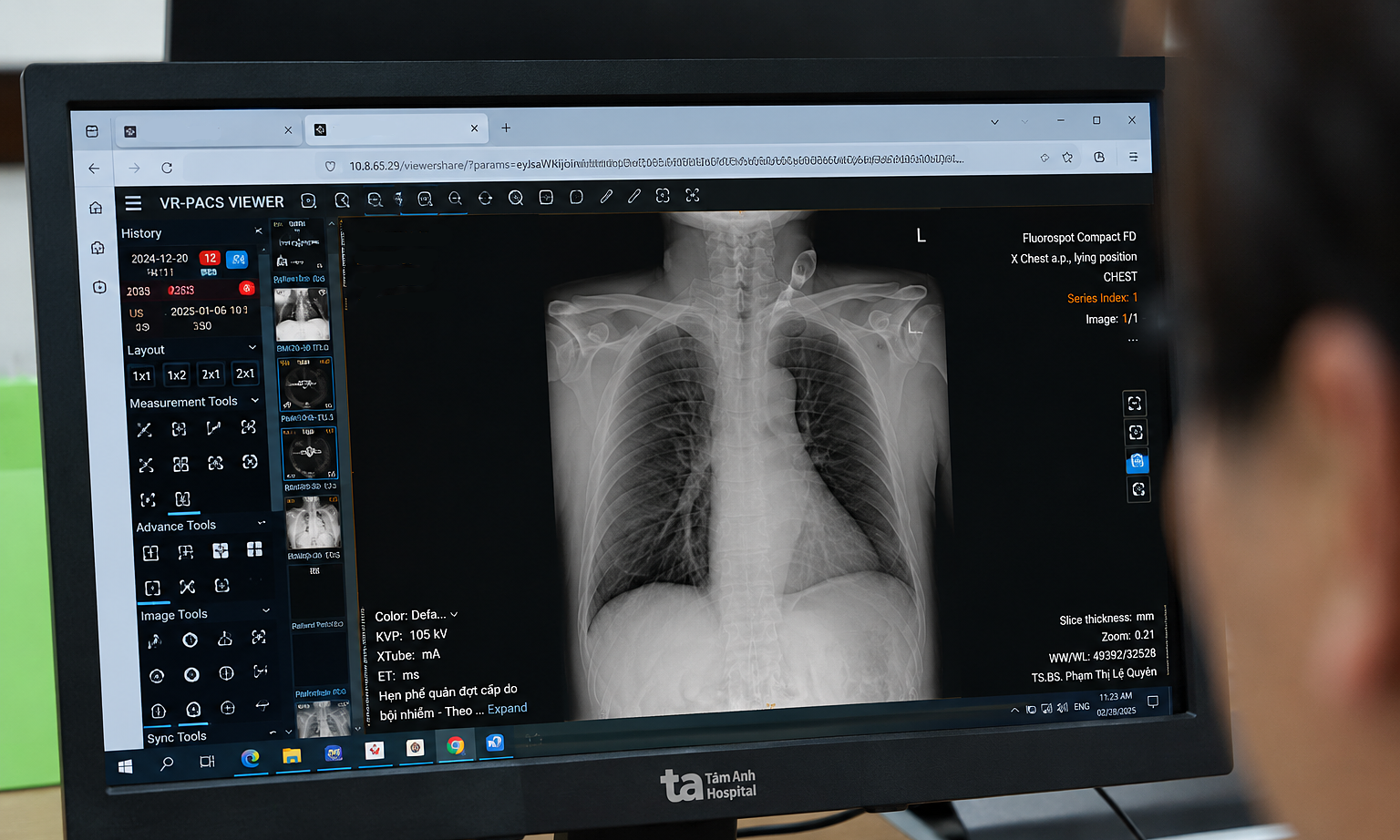
Doctor Khoa emphasizes that dementia screening aids early detection of cognitive disorders, even at mild stages, when interventions are effective. This screening typically involves a neurological clinical assessment, standardized cognitive tests, and paraclinical evaluations such as: metabolic tests, magnetic resonance imaging (MRI) of the hippocampus, and electroencephalography. Comprehensive assessment helps distinguish physiological brain aging from neurological conditions like Alzheimer's disease, vascular dementia, or other secondary cognitive disorders.
Individuals over 50, those with limited social interaction, living alone, or having a history of hypertension, diabetes, sleep disorders, or depression, should undergo regular health check-ups and dementia screenings, especially if they experience forgetfulness or reduced concentration. Early detection allows doctors to identify conditions promptly, develop intervention plans, slow disease progression, and enhance quality of life.
Trong Nghia
| Readers can submit questions about neurological disorders here for doctors to answer. |