Answer:
Polycystic ovary syndrome (PCOS) is a common endocrine disorder affecting women of reproductive age. Many individuals with PCOS experience insulin resistance, which often leads to weight gain and abdominal fat accumulation. Losing approximately 5-10% of body weight can significantly improve menstrual irregularities, balance hormones, and support fertility.
For those with PCOS, weight loss must be scientific and sustainable, avoiding starvation or overly restrictive diets. A safe and recommended weight loss rate is about 0.5-1 kg per week.
Prioritize foods that help stabilize blood sugar.
Since individuals with PCOS often have insulin resistance, selecting appropriate foods is crucial to ensure blood sugar levels rise slowly. It is best to prioritize brown rice, oats, sweet potatoes, and whole-wheat bread over white rice, white bread, or sugary pastries and high-sugar foods.
 |
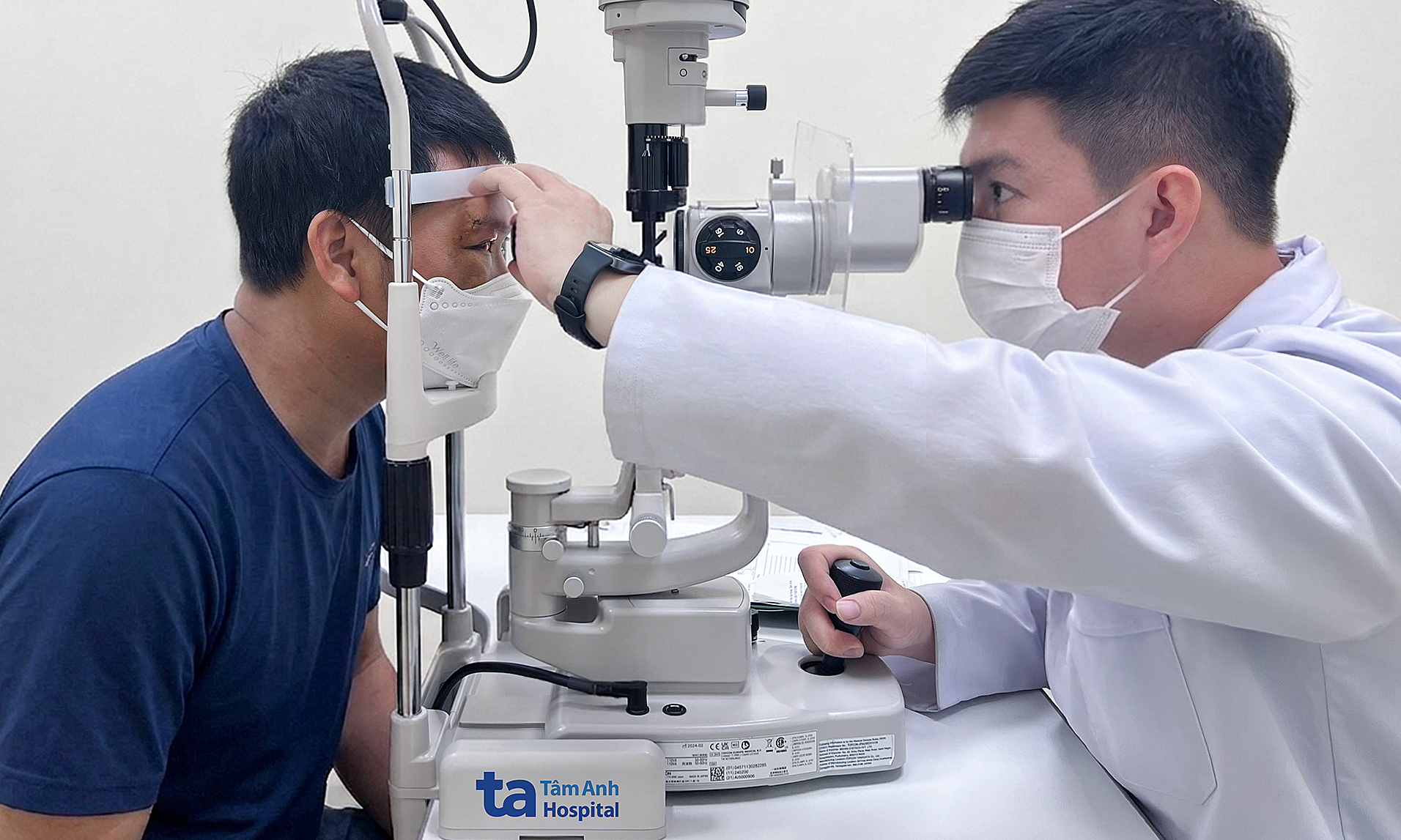
A doctor advises a patient with polycystic ovary syndrome. *Photo: Tam Anh General Hospital*
Increase fiber and protein intake.
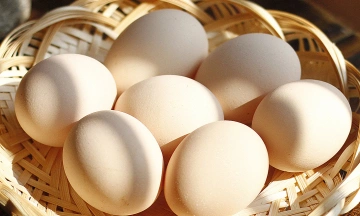
Protein promotes satiety, helps reduce cravings, and supports the maintenance of muscle mass during weight loss. Patients should choose protein sources such as: fish, lean meat, eggs, tofu, and low-fat unsweetened yogurt.
Green vegetables, various beans, chia seeds, and low-sugar fruits including: rose apple, melon, kiwi, grapefruit, and strawberries provide essential fiber, aiding digestion and better blood sugar stabilization.
Incorporate healthy fats.
Prioritize healthy fats from sources like: olive oil, avocado, nuts, and fatty fish such as salmon and mackerel. These foods support heart health and help control hunger. Simultaneously, limiting fried foods, fast food, and foods containing trans fats will benefit overall health.
Limit sugar and refined starches.
Soft drinks, milk tea, candies, syrups, biscuits, and processed foods are high in sugar and calories but offer minimal nutrition, easily leading to weight gain and blood sugar imbalances. It is advisable to eat fresh fruits in segments or pieces instead of drinking juice to benefit from their natural fiber content.
Things to avoid when losing weight:
Individuals with PCOS should avoid skipping meals or prolonged fasting. These methods can lead to fatigue, compensatory overeating later, and metabolic disturbances. Do not self-medicate with unverified weight-loss drugs or functional foods, as they can adversely affect the cardiovascular system, liver, kidneys, and endocrine balance.
Combine exercise with a healthy lifestyle.
In addition to a suitable diet, people with PCOS should maintain at least 150 minutes of physical activity per week, such as: brisk walking, cycling, swimming, or yoga. Incorporating muscle-building exercises also improves insulin sensitivity and supports effective fat loss. Getting 7-8 hours of sleep daily and managing stress are equally important, as prolonged stress increases the hormone cortisol, making weight loss difficult.
PCOS requires long-term monitoring and regular check-ups. Patients with co-existing pre-diabetes, dyslipidemia, or obesity should consult a nutritionist to develop a personalized meal plan.
Nutritionist Nguyen Thi Quynh
Department of Nutrition, Tam Anh General Hospital Hanoi
| Readers can send their nutrition questions here for a doctor's answer. |