Eye discharge is a dry, crusty, or sticky secretion that typically appears along the lash line or in the corner of the eye. According to the American Academy of Ophthalmology, a small amount of discharge in the morning is a normal physiological phenomenon.
While sleeping, the eyes continue to produce oil, mucus, and tears to keep the surface of the eyeball lubricated. These substances dry overnight, forming discharge in the corners of the eyes or adhering to the eyelashes. However, if eye discharge exhibits the following characteristics, it should not be overlooked.
Excessive discharge
If you wake up each morning with a significant amount of eye discharge, need to wipe your eyes multiple times a day, or experience continuous discharge, it could be a sign of eye irritation or inflammation.
According to Medical News Today, this condition is common in individuals with conjunctivitis, blepharitis, or blocked meibomian glands in the eyelids. When inflammation persists, the increased fluid secretion leads to more discharge than usual.
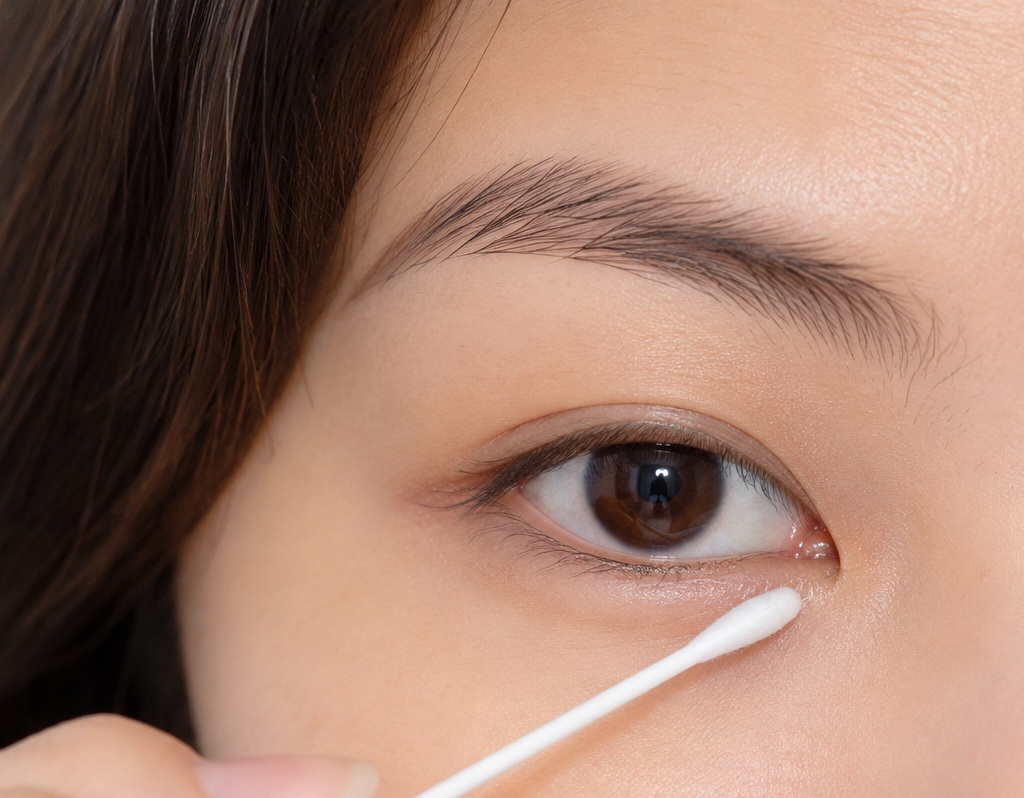 |
Excessive eye discharge in the morning may stem from inflammation or irritation. *AI-generated image* |
Yellow or green discharge
The color of eye discharge can also reflect the underlying cause of a condition. Dark yellow or green discharge is often associated with bacterial infection.
According to Health, when the eyes are infected with bacteria, the secretions can become thick, sticky, and cause the eyelids to stick together after waking. Patients may also experience red eyes, swollen eyelids, pain, or a gritty sensation as if a foreign object is in the eye. Without proper treatment, the infection can spread and damage the eye's surface.
Discharge with redness, pain, or blurred vision
Eye discharge accompanied by redness, pain, light sensitivity, or blurred vision could be a sign of keratitis, severe conjunctivitis, or another eye condition. Patients should seek early medical attention to prevent vision impairment.
Persistent discharge
Normally, physiological eye discharge only appears in the morning and is easily wiped away. If the condition persists for many days or weeks despite proper eye hygiene, a specialist should evaluate the patient. Persistent discharge can be related to chronic blepharitis, dry eyes, or meibomian gland dysfunction. Merely rinsing the eyes without addressing the underlying cause will lead to continuous symptom recurrence.
Discharge in one eye only
In adults, if discharge appears in only one eye, especially when accompanied by swelling, pain, redness, or continuous tearing, it should not be ignored. This condition may be related to tear duct obstruction, a stye, or a localized infection.
If eye discharge appears only in a small amount in the morning and is not accompanied by other symptoms, you can gently wipe it away from the corner of the eye outwards using a clean cloth or cotton pad soaked in warm water. Keep your hands clean before touching your eyes and avoid sharing face towels to limit infection if the cause is conjunctivitis.
Bao Bao (Compiled)
| Readers can submit questions about ophthalmic conditions here for a doctor's response |