The belief that cancer patients should not attend funerals because "funerals carry negative energy" which "causes the disease to worsen and metastasize faster" lacks scientific basis.
From a modern medical perspective, the development, metastasis, or recurrence of cancer cells depends on the disease stage, the biological nature of the tumor, the body's immune system, and the response to medication. It is not influenced by any "cold aura" from the deceased.
However, cancer patients generally have weaker health compared to others, especially those undergoing chemotherapy, radiation therapy, or who have recently had major surgery, as their immune systems are compromised. Funerals are typically crowded gatherings in enclosed spaces, environments prone to accumulating respiratory bacteria and viruses (such as influenza, Covid-19, tuberculosis), which can harm health and disrupt ongoing treatment.
Furthermore, funerals are places of grief and loss. For someone battling a serious illness, witnessing separation can trigger negative emotions, leading to anxiety, depression, or fear, causing stress and tension that impact overall health. Cancer patients may also lack the physical stamina to sit for extended periods, potentially leading to fainting or low blood pressure.
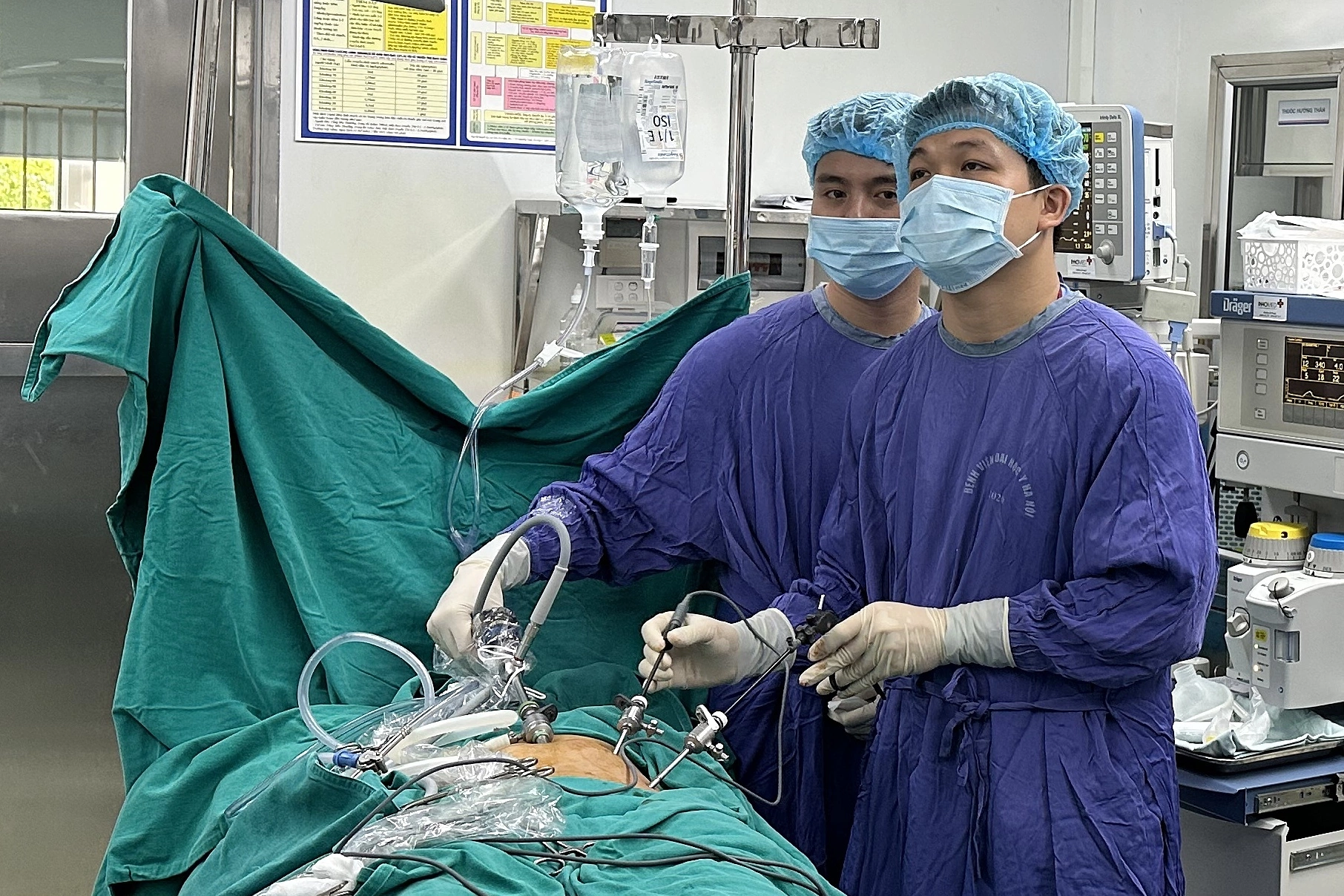 |
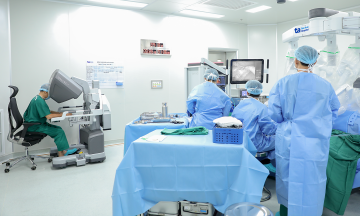
Doctor Ty performing surgery on a patient. Photo: Provided by doctor |
If attendance is unavoidable, patients should wear masks to reduce virus transmission. It is advisable to choose less crowded times for visits to minimize social contact and ensure a more open environment. Avoid staying too long or participating in lengthy funeral processions under the sun or rain. Regularly sanitize hands, and change clothes and bathe thoroughly immediately upon returning home.
Cancer patients should also avoid following folk remedies, self-isolating, or self-treating with herbal leaves or traditional medicine. Such actions can accelerate disease progression, potentially leading to tumor rupture, bleeding, or intestinal obstruction, requiring emergency hospitalization.
Doctor Ngo Van Ty
Department of Oncology, Hanoi Medical University Hospital