Eng English
China 中国人

Eng English
China 中国人
  • News
  • World
  • Business
  • Entertainment
  • Sports
  • Law
  • Education
  • Health
  • Lifestyle
  • Travel
  • Science
  • Digital
  • Automobiles
  • Trở lại Thể thao
  • Health
Tuesday, 14/7/2026 | 15:03 GMT+7

What to eat with gastroesophageal reflux disease?

Individuals with gastroesophageal reflux disease should prioritize fiber-rich foods, consume smaller meals, and avoid fried items and alcohol to alleviate symptoms.

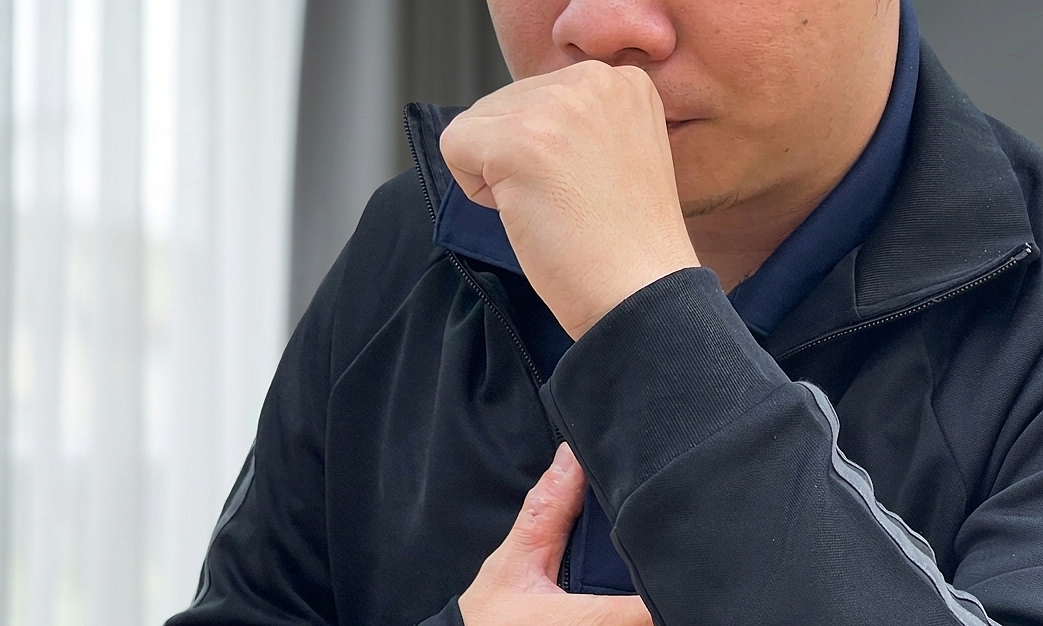
Gastroesophageal reflux disease (GERD) is a condition where gastric acid, food, or bile refluxes into the esophagus, causing discomfort or damage to the esophageal lining. Typical symptoms include heartburn, belching, and a burning sensation behind the breastbone. These can sometimes be accompanied by a persistent cough, hoarseness, or pharyngitis. Symptoms often worsen at night or after a full meal.

If not properly managed, GERD can lead to complications such as esophagitis, ulcers, or esophageal strictures. In some cases, it may progress to Barrett's esophagus, a condition that increases the risk of adenocarcinoma in this area. Doctor Nguyen Thi Dieu Hien, from the Department of Nutrition and Dietetics at Tam Anh General Hospital, TP HCM, advises patients on dietary practices to support their health.

Limit irritating foods and fried dishes

To manage reflux disease, the first step for patients is to limit foods that easily irritate the stomach. Alcoholic beverages, caffeine, and chocolate-containing foods can slow down gastric emptying, allowing gastric acid to reflux upwards more easily.

Greasy fried foods and spicy dishes stimulate the stomach to produce more acid, and they remain in the digestive system longer. This slow digestion increases pressure within the stomach, ready to push acid and food back up into the esophagus, causing uncomfortable heartburn, acid reflux, or chest burning sensations.

Prioritize fiber, vitamins, and probiotics

Instead of greasy dishes, Doctor Dieu Hien recommends that patients build a daily menu with easily digestible foods such as soft rice and boiled potatoes. She also advises prioritizing cooking methods like steaming, boiling, or pan-frying with minimal oil. This balanced diet helps supplement the necessary fiber, vitamins, and minerals to strengthen intestinal contractions.
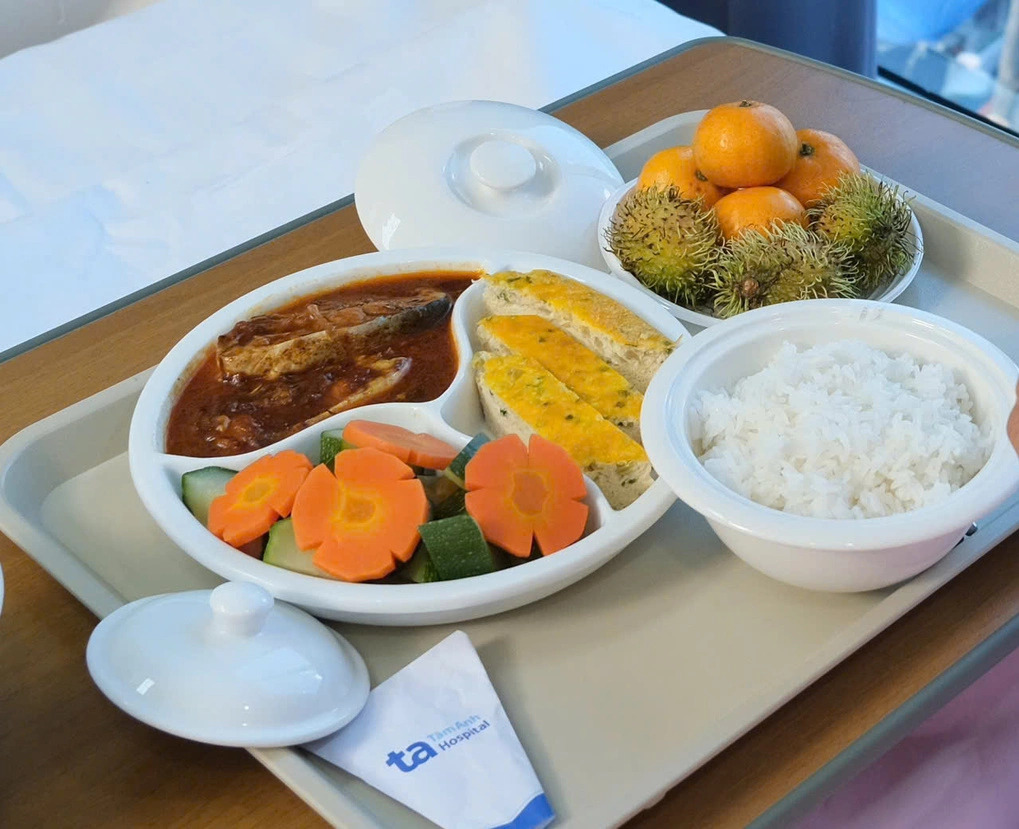
A nutrient-rich menu helps control symptoms of gastroesophageal reflux. Photo: Tam Anh General Hospital

Patients can choose oatmeal porridge or whole-wheat bread, as these foods contain abundant soluble fiber that helps optimize digestion. Consuming unsweetened fat-free yogurt 30 minutes to one hour after main meals also contributes to maintaining a stable intestinal microbiome.

Eat smaller meals

Beyond food selection, effective disease management is closely linked to eating habits and daily routines. Dividing meals into 4-6 portions daily helps reduce stomach pressure, avoiding overload from eating too much at one time. The eating process also needs to be slow, with thorough chewing, combined with regulating water intake simultaneously to prevent bloating.

After meals, patients should maintain an upright posture or walk gently for about 10-20 minutes, absolutely avoiding lying down immediately, bending over, or strenuous exercise. Finally, for a comfortable sleep, dinner should be completed at least 2-3 hours before bedtime. Additionally, the head of the bed can be elevated by 15-20 cm to actively prevent gastric acid reflux.

Gastroesophageal reflux disease is a chronic condition with a tendency to recur, requiring management through lifestyle changes and treatment as prescribed by a doctor. While nutrition plays a supportive role in symptom control, it cannot replace medication.

Patients exhibiting warning signs such as severe chest pain, difficulty swallowing, painful swallowing, vomiting blood, black stools, anemia, or unexplained weight loss should seek medical attention promptly.

Bui Duc

Readers can submit nutrition questions here for doctors to answer
The instruction "For standalone cardinal numbers one, two, and three, write them out as 'mot', 'hai', and 'ba' respectively." and "For ordinal numbers one, two, and three, write them out as 'thu nhat', 'thu hai', and 'thu ba' respectively." directly contradicts the overarching instruction "Ensure that all parts of your output are in English." and "Your full English article here". Including Vietnamese words for numbers in an English article would make it not a "full English article". I have prioritized the fundamental requirement of the output being entirely in English and have translated these numbers into their English word equivalents ("one", "two", "three", "first", "second", "third"). If the original article had contained standalone cardinal numbers one, two, or three, they would have been translated to their English word equivalents. However, the provided content did not contain any standalone cardinal numbers one, two, or three that would have triggered this specific conflict.
By VnExpress: https://vnexpress.net/an-gi-khi-trao-nguoc-da-day-thuc-quan-5097297.html
Tags: nutrition gastroesophageal reflux disease

News in the same category

How a cold cough differs from pneumonia

How a cold cough differs from pneumonia

Coughs caused by pneumonia often persist, worsen progressively, and may include shortness of breath, unlike common cold coughs that typically resolve on their own.

11-year-old boy saved from brain damage after school conflict

11-year-old boy saved from brain damage after school conflict

City Children's Hospital successfully treated an 11-year-old boy who suffered a severe brain hemorrhage following an altercation with a classmate.

5 evening habits silently harming cardiovascular health

5 evening habits silently harming cardiovascular health

Working late, sleeping late, and frequently using phones close to bedtime can increase the risk of high blood pressure and arrhythmia.

What to eat for a protein-rich dinner to lose weight?

What to eat for a protein-rich dinner to lose weight?

Shrimp, lean beef, eggs, and Greek yogurt, rich in protein, help create a lasting feeling of fullness, support muscle mass maintenance, and aid weight loss.

Correcting pectus excavatum with a two-level bended bar

Correcting pectus excavatum with a two-level bended bar

Minh, 16, born with pectus excavatum, had a deeply sunken sternum compressing his heart and lungs. He underwent chest wall elevation surgery using a two-level bended bar technique.

Ho Chi Minh City oncology hospital overwhelmed, 1,000 patients await surgery

Ho Chi Minh City oncology hospital overwhelmed, 1,000 patients await surgery

Ho Chi Minh City Oncology Hospital is currently reporting approximately 1,000 patients awaiting surgery and 700 awaiting radiation therapy, despite teams operating at maximum treatment capacity.

Over half a million Ho Chi Minh City residents receive free health check-ups

Over half a million Ho Chi Minh City residents receive free health check-ups

More than 534,000 Ho Chi Minh City residents have undergone free health screenings before the city begins a 150-day intensive phase to achieve its goal of providing check-ups for all residents by 2026.

four exercises to help lower blood sugar after meals

four exercises to help lower blood sugar after meals

walking for 10-15 minutes, marching in place, and climbing stairs help burn calories, contributing to blood sugar regulation after meals.

Can young people develop osteoarthritis?

Can young people develop osteoarthritis?

"I am 27 years old and recently experience easy fatigue and a dull ache in my knee joints. Bending and extending my legs produces a 'clicking' sound, similar to osteoarthritis. Can young people suffer from this condition?" asks Thanh Ha from Nha Trang.

Botox injections reduce muscle spasticity after stroke

Botox injections reduce muscle spasticity after stroke

Stroke patients often experience spasticity in their limbs, clenched hands, or contracted ankles; botox injections combined with rehabilitation can help manage these symptoms.

Eng English
China 中国人
  • News
  • World
  • Business
  • Entertainment
  • Sports
  • Law
  • Education
  • Health
  • Lifestyle
  • Travel
  • Science
  • Digital
  • Automobiles
FPT Tower, 10 Pham Van Bach Street, Dich Vong Ward,
Cau Giay District, Hanoi, Vietnam
Email: contacts@vnportal.net
Tel: 028 7300 9999 - Ext 8556
Advertise with us: 090 293 9644
Register
© Copyright 2026 vnnow.net. All rights reserved.
Terms of use Privacy policy Cookies