The evening diet significantly impacts the body's digestive process. Digestive issues in the evening can lead to bloating, discomfort, nausea, and disrupt sleep. The following methods can help promote healthy digestion.
Prioritize beneficial drinks
According to Very Well Health, adults should avoid alcohol in the evening, as it can damage the stomach lining and affect esophageal contractions. Limit coffee, carbonated beverages, and citrus fruits at dinner. Instead, prioritize carrot juice, herbal tea, and unsweetened drinking yogurt, which help replenish beneficial gut bacteria and soothe the digestive system.
 |
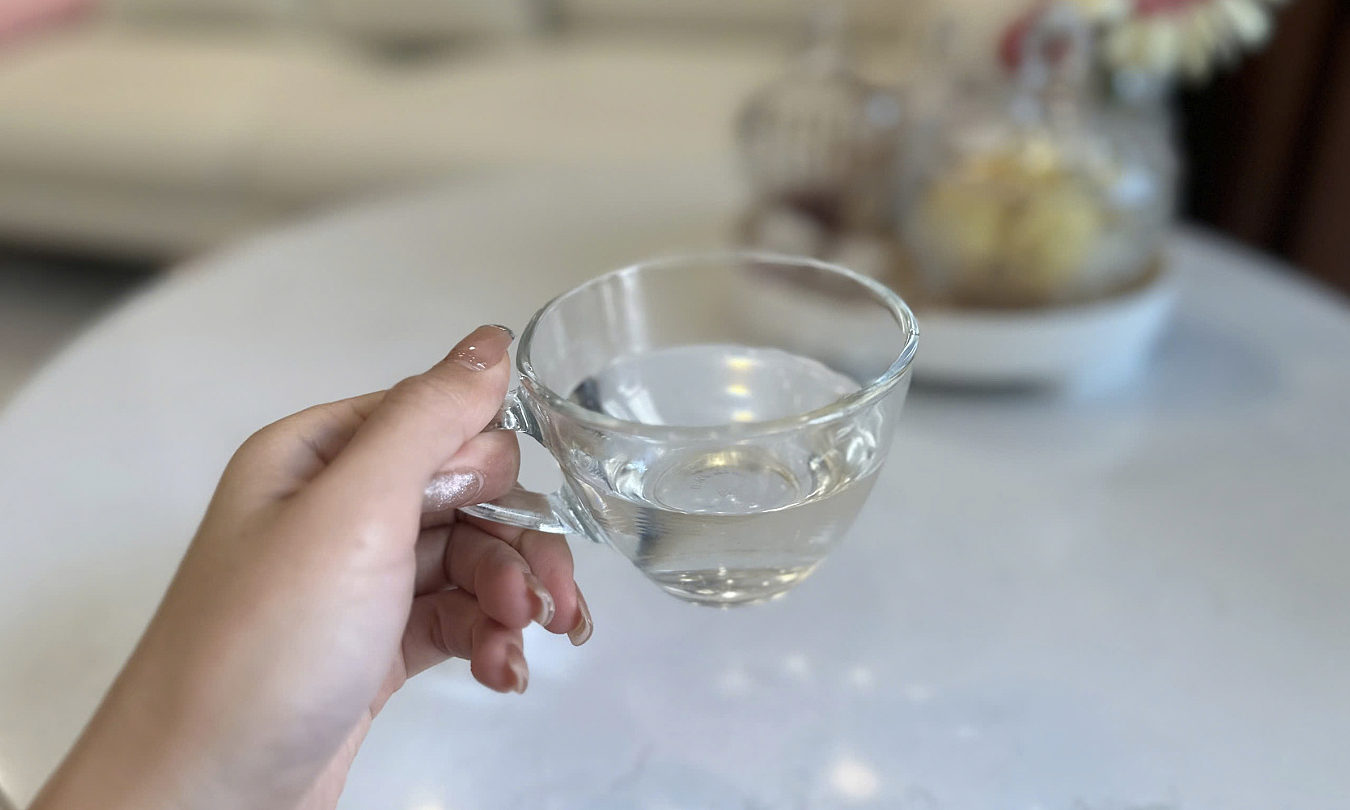
Drinking herbal tea at dinner benefits gut health. Photo created by AI. |
Walk after meals
This habit promotes better digestion. Even a 10-15 minute walk can stimulate stable bowel movements, allowing food to digest faster, helping to reduce bloating and prevent blood sugar spikes. Walking after dinner also burns calories and aids in weight management.
Relax to reduce stress
Stress can worsen digestive problems, leading to stomach and abdominal pain. Stressed individuals often eat late and consume more sweets. This habit increases pressure on the stomach, which can easily cause digestive disorders. Several practices help reduce stress, including yoga, massage, meditation, and deep breathing exercises. You can also take a walk, listen to music, or read a book in the evening to relax your mind.
Finish eating two to three hours before bedtime
According to Health, eating too close to bedtime can disrupt sleep and negatively affect gut health. If food is not fully digested before sleep, it can lead to uncomfortable digestive symptoms, particularly bloating and indigestion, which diminish sleep quality. It is advisable to finish dinner before 8 p.m. and two to three hours before sleeping to allow the body sufficient time for digestion. If you need a snack after dinner, opt for foods rich in protein, fiber, or healthy fats, such as berries, kiwi, low-fat yogurt, and nuts. Fermented foods like kimchi and pickled vegetables are also suitable choices, as they contribute beneficial bacteria to the gut microbiota.
Do not lie down or sit immediately after eating
If sitting, maintain an upright posture to allow food to pass efficiently into the intestines. Lying down immediately after eating can worsen reflux symptoms and contribute to the accumulation of excess fat, leading to weight gain.
Keep a food diary
Monitor your diet and any symptoms that occur to identify and eliminate foods that cause intestinal irritation, while prioritizing beneficial ones. For dinner, choose easily digestible options such as eggs, beans, skinless chicken, and fish, rather than fried or processed foods. Avoid overeating at dinner.
Anh Chi (Compiled)
| Readers can submit questions about digestive diseases here for doctors to answer. |