**Direct air conditioner airflow to face and chest**
According to Times of India, excessively low air conditioner temperatures or prolonged direct airflow to the face and chest can irritate the respiratory tract and impair lung protective functions. Cold air dries the respiratory lining, reducing the effectiveness of the mucous layer and diminishing its ability to expel dust, bacteria, and viruses.
To protect respiratory health, set your air conditioner between 25-28 degrees Celsius, avoiding large temperature differences with the outdoors. Adjust the airflow upwards toward the ceiling or to the sides, rather than directly at your face and chest. Regularly clean the air conditioner filter and drink enough water to prevent respiratory dryness.
**Frequent mouth breathing**
When you breathe through your nose, the air is filtered of dust and bacteria, and it is warmed and humidified before entering the lungs. Mouth breathing bypasses this natural filtration, warming, and humidification process, allowing fine dust, bacteria, and pollutants to penetrate deeper into the respiratory tract. Over time, this raises the risk of respiratory inflammation and affects lung health, particularly for individuals with chronic respiratory conditions.
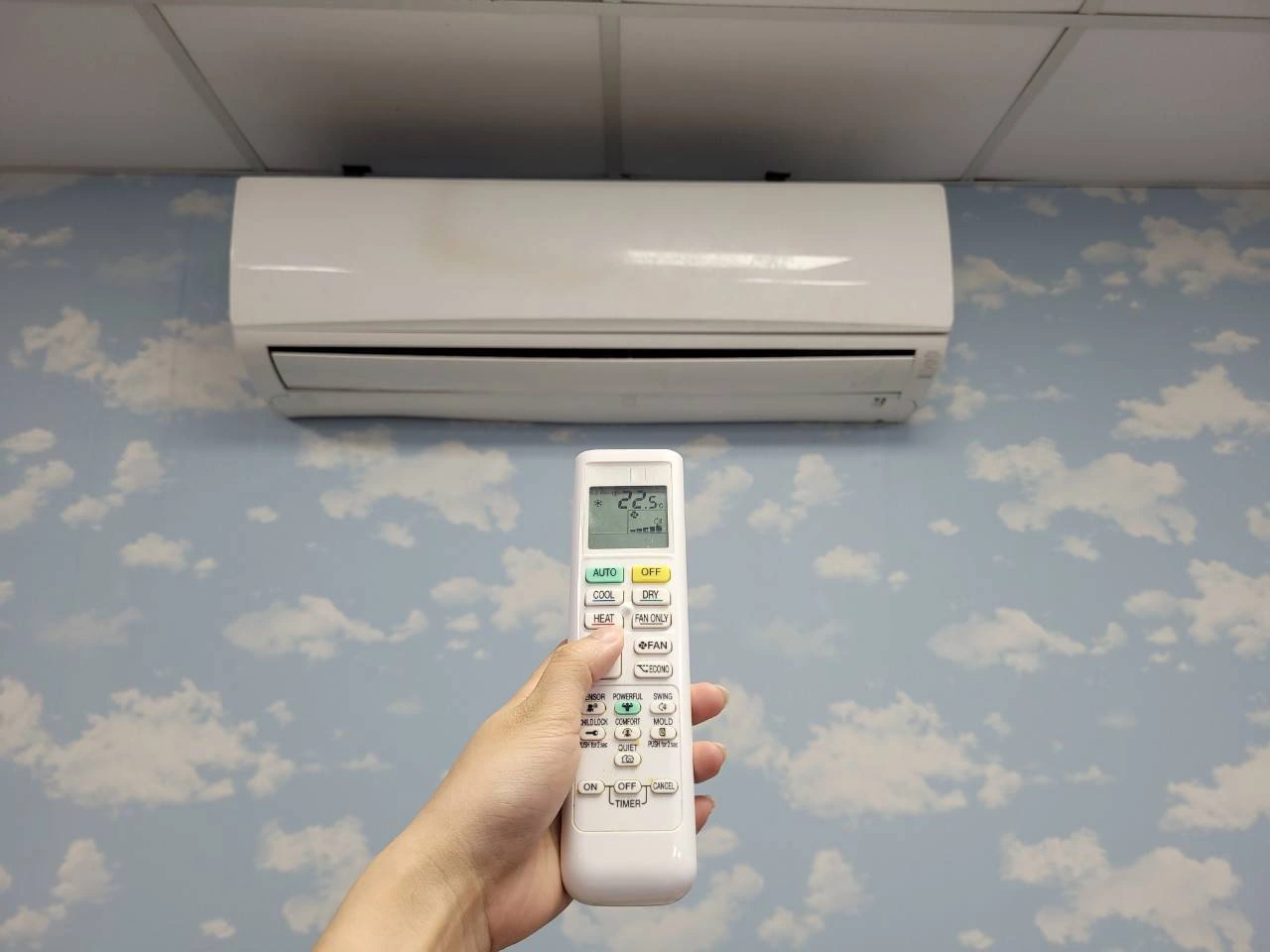 |
Turning on the air conditioner too cold or directing airflow at the face and chest can silently affect lung health. *Illustration: Hai Au*
**Not opening room doors for air exchange**
The habit of keeping doors closed prevents indoor air circulation, leading to the accumulation of pollutants such as fine dust, bacteria, mold, and cooking smoke. Breathing in such an environment means the lungs are constantly exposed to harmful agents, increasing their activity to expel them. If this situation persists, these pollutants can irritate the respiratory lining, causing inflammation.
**Exercising outdoors when air is polluted**
When air pollution levels are high, individuals exercising outdoors may inhale more pollutants than usual. During physical activity, breathing becomes faster and deeper, allowing fine dust and gaseous pollutants to penetrate deeper into the bronchi and alveoli, thereby increasing the risk of respiratory irritation.
For those with asthma or bronchitis, air pollution can also trigger or worsen symptoms like coughing and wheezing, according to Healthline.
**Infrequent washing of blankets, sheets, pillows, and mattresses**
Failing to regularly clean blankets, sheets, pillows, and mattresses can lead to the accumulation of dust, dust mites, mold, and microorganisms over time. During sleep or when turning over, these dust particles can easily become airborne and be inhaled into the respiratory tract, potentially causing irritation, especially for individuals with asthma or allergies.
By Le Nguyen (Compiled)
| Readers can send questions about respiratory diseases here for doctors to answer |