Master, Doctor Pham Thi Mong Dao, Head of the Hemodialysis Department at Gia An 115 Hospital, states that high blood fat not only harms the cardiovascular system but also significantly impacts kidney function, especially when combined with metabolic disorders such as hypertension, diabetes, elevated uric acid, or obesity.
High blood fat accelerates atherosclerosis in blood vessels, including the renal arteries. This reduces blood flow to the kidneys and gradually impairs their filtration capacity. Furthermore, prolonged metabolic dysfunction increases the risk of microvascular damage and causes chronic inflammation within the kidney's blood vessels.
This process often develops silently over a long period, making early detection difficult without regular check-ups. Most cases of early-stage kidney damage show no clear symptoms. Many individuals only discover the issue when kidney function has already declined or when they reach end-stage renal failure.
Therefore, even without symptoms, individuals with high blood fat – particularly if accompanied by hypertension, high blood sugar, elevated uric acid, or being overweight – should undergo regular health screenings to detect potential kidney damage early.
What signs indicate possible kidney damage?
In its early stages, kidney disease often progresses "silently." As damage becomes more pronounced, individuals may experience symptoms such as prolonged fatigue; swelling in the legs, eyelids, or face; frequent nighttime urination; and difficulty controlling blood pressure. Additionally, urine may appear excessively foamy or unusually dark.
If these signs appear, individuals should seek medical attention promptly.
Beyond blood tests assessing kidney function like creatinine and eGFR, regular urine tests – especially for protein in the urine (proteinuria) – are crucial for early detection of kidney damage.
Who needs earlier kidney screening when they have high blood fat?
Individuals with high blood fat coupled with hypertension, high blood sugar or diabetes, elevated uric acid, overweight-obesity, a history of kidney disease, or those who were born prematurely or with low birth weight, should undergo earlier and more frequent screenings.
This group faces an elevated risk of kidney damage due to metabolic syndrome and co-existing vascular diseases.
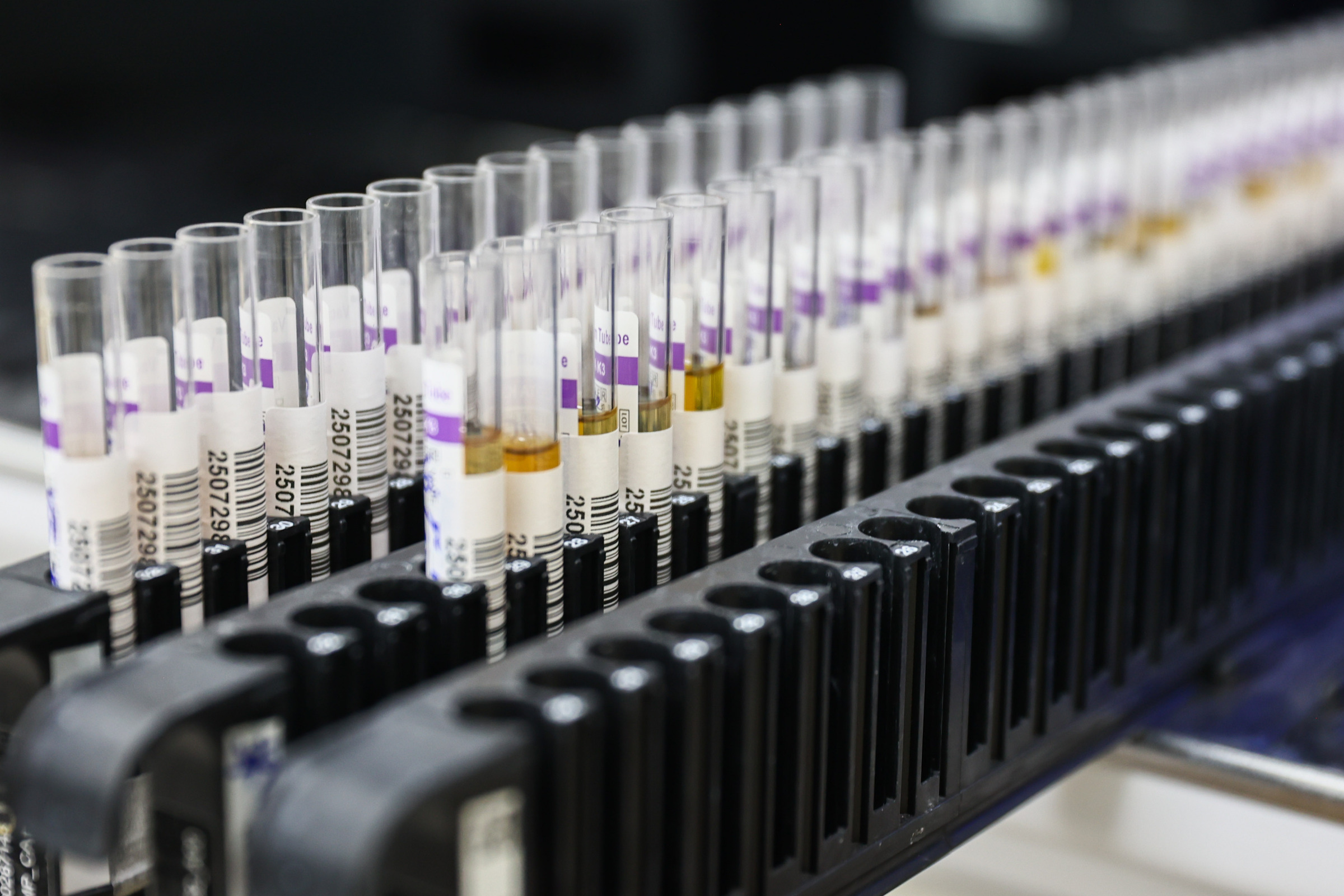 |
Health index testing for patients. Photo: Quynh Tran |
How can kidneys be protected when blood fat is already high?
Comprehensive control of all metabolic risk factors, not just blood fat, is essential.
Patients should adjust their diet to reduce unhealthy fats, limit sugar and processed foods, and increase intake of green vegetables, fish, and nuts. Concurrently, regular exercise, weight management, and sufficient sleep are vital.
If prescribed blood fat-lowering medication, it is important to follow instructions and attend regular follow-up appointments. Additionally, effective management of blood pressure, blood sugar, and uric acid significantly contributes to long-term kidney function protection.
Do blood fat-lowering medications affect the kidneys?
Most blood fat-lowering medications, particularly statins, are considered safe for the kidneys when used as directed and with appropriate monitoring. In many cases, good blood fat control can even reduce the risk of vascular damage and slow the progression of kidney disease.
However, patients should not self-medicate or discontinue medication without medical advice. During treatment, regular follow-up visits are necessary to monitor liver and kidney function, as well as other relevant indicators. Rare side effects such as severe muscle pain, unusual fatigue, or dark urine require immediate attention and prompt medical evaluation.
Le Phuong