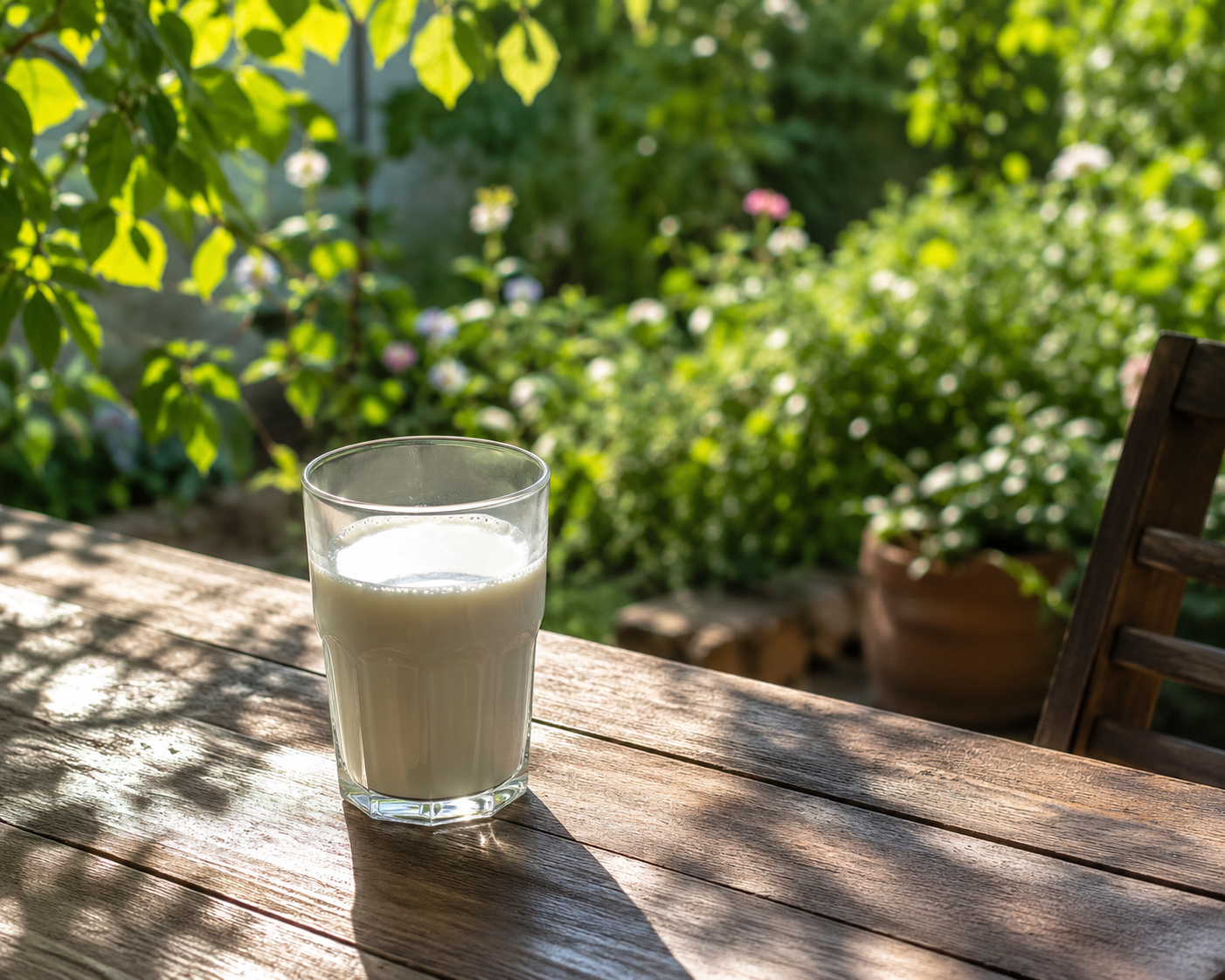
Lemon water is low in calories and rich in vitamin C. Its citric acid stimulates digestive fluid, promoting efficient food processing. Consuming lemon water also hydrates the body, supports normal bowel function, and reduces constipation risk. The antioxidants and vitamin C in lemons protect cells, support heart health, and aid tissue recovery.
According to Health, lemon water can be consumed at any time of day, including morning, before, during, or after meals. However, due to its natural acidity, individuals with gastroesophageal reflux disease or sensitive stomachs should drink it with or after meals to minimize irritation.
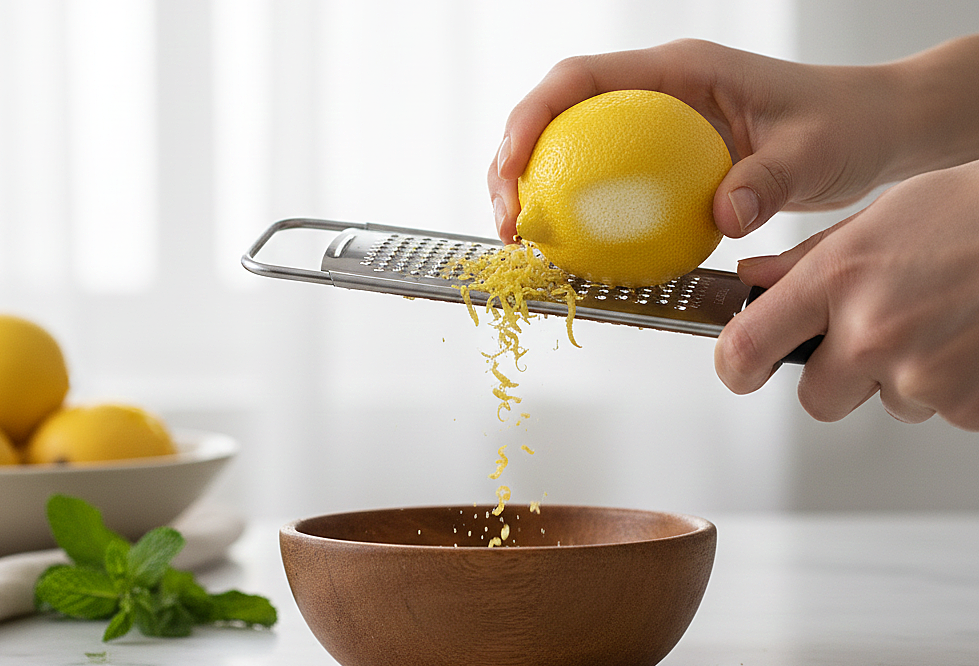 |
Lemon is rich in antioxidants and vitamin C. Illustration: AI
Prepare lemon water by mixing half a lemon with about 500 ml of warm water, adding a small amount of sugar if desired. Drink it slowly in the morning or with meals, limiting sugar and artificial sweeteners. Lemon water should complement a balanced diet rich in fruits, vegetables, whole grains, low-fat dairy, lean protein, and legumes.
To protect tooth enamel, rinse your mouth with plain water after consuming lemon water. Individuals with gastroesophageal reflux disease should avoid drinking lemon water at night to prevent heartburn when lying down.
According to Very Well Health, adults should avoid combining lemon water with certain foods, as this can lead to discomfort, stomach pain, and other digestive issues:
Sweets: Avoid consuming lemon water with candy, pastries, or carbonated soft drinks. Lemon's citric acid erodes tooth enamel over time, and sugar heightens the risk of cavities, particularly when enamel is already compromised. Furthermore, high sugar intake increases inflammation and adversely affects gut health.
High-fat dairy: Lemon water's acidity can worsen reflux. Acid reflux, where stomach acid flows into the esophagus, causes heartburn and indigestion. High-fat dairy products can also trigger heartburn in individuals with gastroesophageal reflux disease.
Processed foods: Items like sausages, french fries, fried chicken, and other high-fat foods can slow digestion, increasing the risk of bloating, indigestion, and gastroesophageal reflux. Lemon water, rich in citric acid, can exacerbate heartburn or digestive discomfort for those with sensitive stomachs.
Spicy foods: Dishes containing chili or chili sauce can irritate the digestive tract and worsen gastroesophageal reflux symptoms for some. When paired with acidic lemon water, heartburn or discomfort may become more pronounced.
By Anh Chi (Compiled)
| Readers can ask questions about digestive diseases here for doctors to answer. |