Even in cold winter, the human body continuously secretes excess oil, sebum, dead skin cells, and saliva during sleep. All these secretions, along with sweat released during slumber, accumulate on pillowcases.
This buildup of dirt provides a rich nutrient source for bacteria, mold, and dust mites. If not washed regularly, pillowcases harbor a significant amount of microorganisms. These not only cause unpleasant odors but also trigger issues such as: skin allergies, allergic rhinitis, acne breakouts, and even asthma.
According to a study published in an American journal of microbiology, if pillowcases and bed sheets are not washed for more than seven days, the amount of bacteria on them increases to an astonishing level.
Doctor Hoang Tinh Vi, Head of Dermatology at Chang Bing Show Chwan Christian Hospital, stated that when facial skin directly contacts these bacteria and dirt, it can easily lead to skin allergies, breakouts, worsen rosacea, and even cause scalp folliculitis or facial eczema. Many people experience unexplained skin itching and persistent acne, with the unwashed pillow often being the culprit.
Doctor Truong Thien Hao, specializing in infectious diseases at Dong Yuan General Hospital, warned that for healthy individuals, inhaling mold spores may at most cause allergies. However, for those with weakened immune systems, this becomes a matter of life and death.
If an immunocompromised patient, such as someone who has undergone a hematopoietic stem cell transplant, inhales mold proliferating on pillows, they could develop severe fungal infections leading to death. This risk should never be taken lightly.
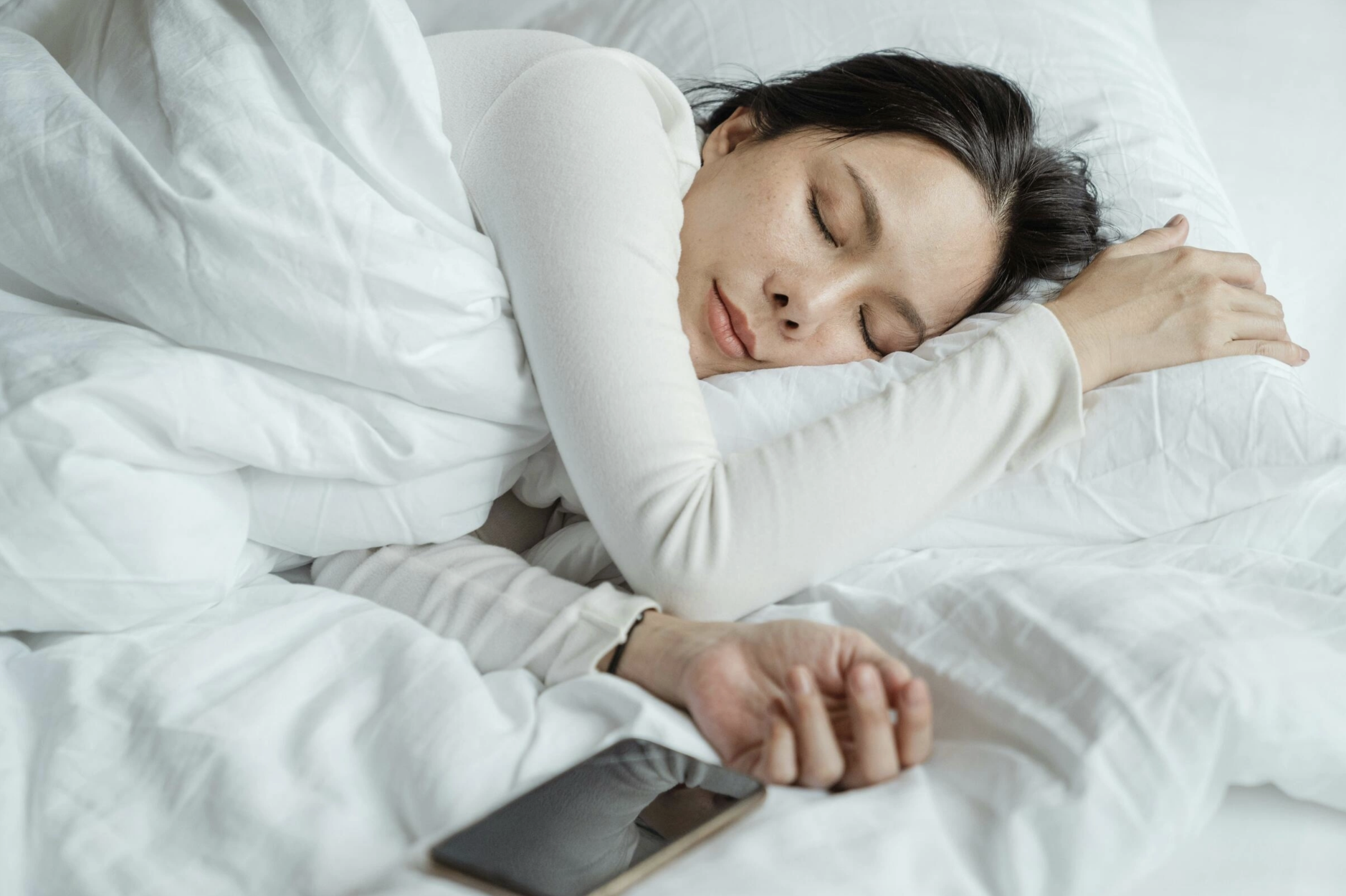 |
Unwashed pillowcases not only harm the skin but can also pose a life-threatening risk to individuals with compromised immune systems. Illustration: Pexels |
Doctor Trinh Hong Di from the Family Medicine Department at National Cheng Kung University Hospital, shared that maintaining good sleep hygiene hinges on two key practices: "keeping dry" and "regular cleaning". Healthy individuals should wash their pillowcases one to two times each week. For those who sweat easily or have sensitive skin, the washing frequency needs to be higher.
If you lack time for frequent pillowcase washing, you can place a clean towel over the pillow and change this towel daily for washing. This method significantly reduces the chance of bacteria contacting facial skin.
Furthermore, bedrooms should be kept ventilated and dry. Households should have two to three pillowcases ready for rotation. Do not let an old pillow become a source of allergens; only then can you sleep soundly and protect your health.
By My Y (via Yahoo TW)