


Chemotherapy drugs work by targeting rapidly proliferating cells, which include cancer cells and some normal reproductive cells. In women, this treatment can lead to reduced ovarian reserve, menstrual irregularities, early menopause, and decreased fertility. While chemotherapy can affect reproductive capabilities, it does not mean all patients lose the opportunity to become parents.
There is no fixed timeline for women to conceive after chemotherapy. Oncologists and obstetrician-gynecologists will collaboratively assess a patient's potential for pregnancy. This evaluation considers various factors: cancer type, disease stage, recurrence risk, the patient's age, the specific treatment regimen, and reproductive function following chemotherapy.
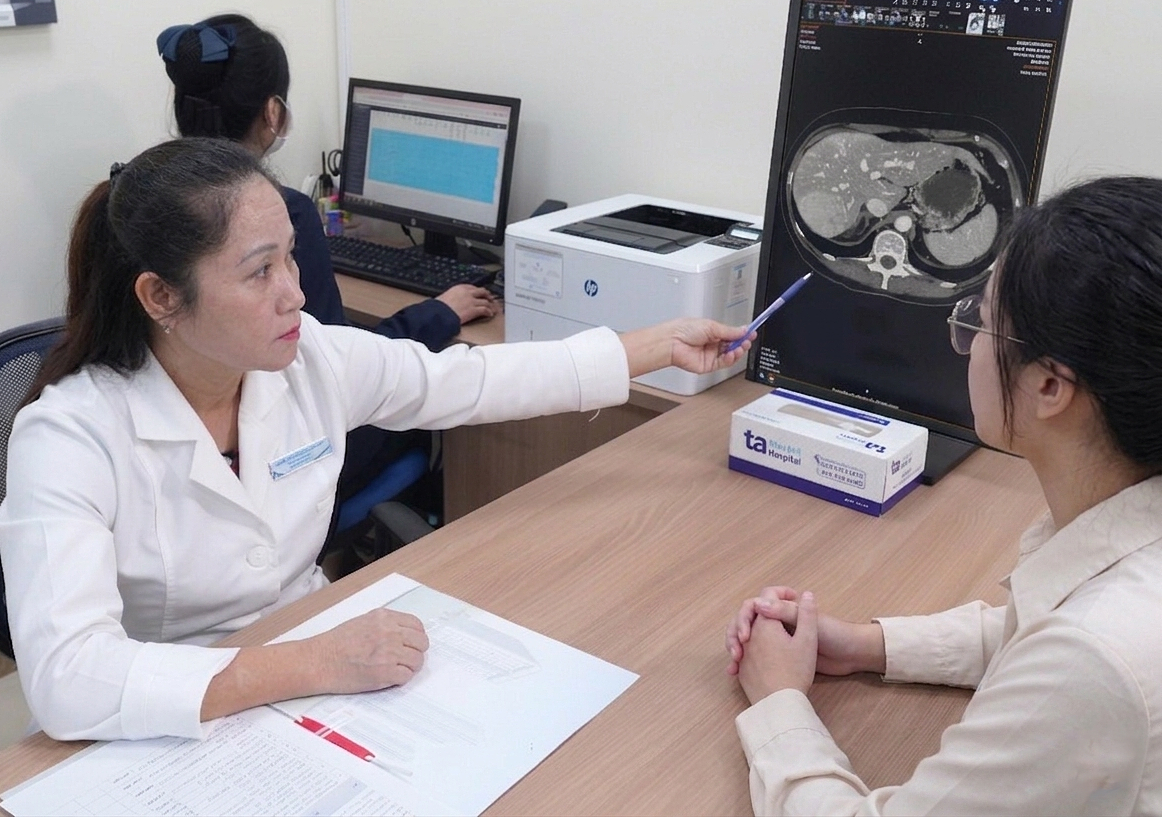 |
Doctor Tinh explains a chemotherapy regimen to a cancer patient. *Photo illustration: Tam Anh General Hospital* |
Most patients are advised to delay pregnancy for a minimum of 6 months to one year after their final chemotherapy dose. This waiting period allows the body time to recover and minimizes the risk of conception involving oocytes that may have been affected by the chemotherapy drugs.
In clinical practice, doctors often recommend that individuals who have completed cancer treatment wait approximately 2 to 5 years before attempting pregnancy. This recommendation stems from the elevated risk of cancer recurrence during the first two years post-treatment. This extended waiting period allows medical professionals to monitor for early signs of recurrence and conduct a comprehensive assessment of the patient's health and the overall safety of pregnancy.
Breast cancer patients with hormone receptor-positive tumors, having completed surgery and treatments such as chemotherapy or radiation therapy, may require ongoing long-term hormonal therapy to mitigate the risk of cancer recurrence. Patients should avoid pregnancy while undergoing these treatments due to potential adverse effects on the fetus. Should a patient wish to temporarily discontinue medication to conceive, a thorough evaluation by a specialist is essential.
The impact of chemotherapy on fertility varies significantly among patients. The risk of impaired reproductive function is contingent upon several factors: the patient's age, the specific chemotherapy drug used, the treatment dose, the duration of therapy, and pre-treatment ovarian reserve or testicular function. Younger individuals generally exhibit a greater capacity for recovering reproductive function post-chemotherapy.
Before deciding to conceive, it is advisable to regularly record your menstrual cycles to track signs of endocrine system recovery. Furthermore, you should consult an oncology and obstetrics-gynecology specialist at a hospital. They will conduct examinations and evaluate your ovarian function, ovarian reserve, the risk of cancer recurrence, and the overall safety of pregnancy at the time of your consultation.
Associate Professor, Doctor, Senior Doctor Ngo Thi Tinh
Department of Oncology
Tam Anh Cau Giay General Clinic
| Readers can submit questions about cancer here for doctors to answer. |


