


 |
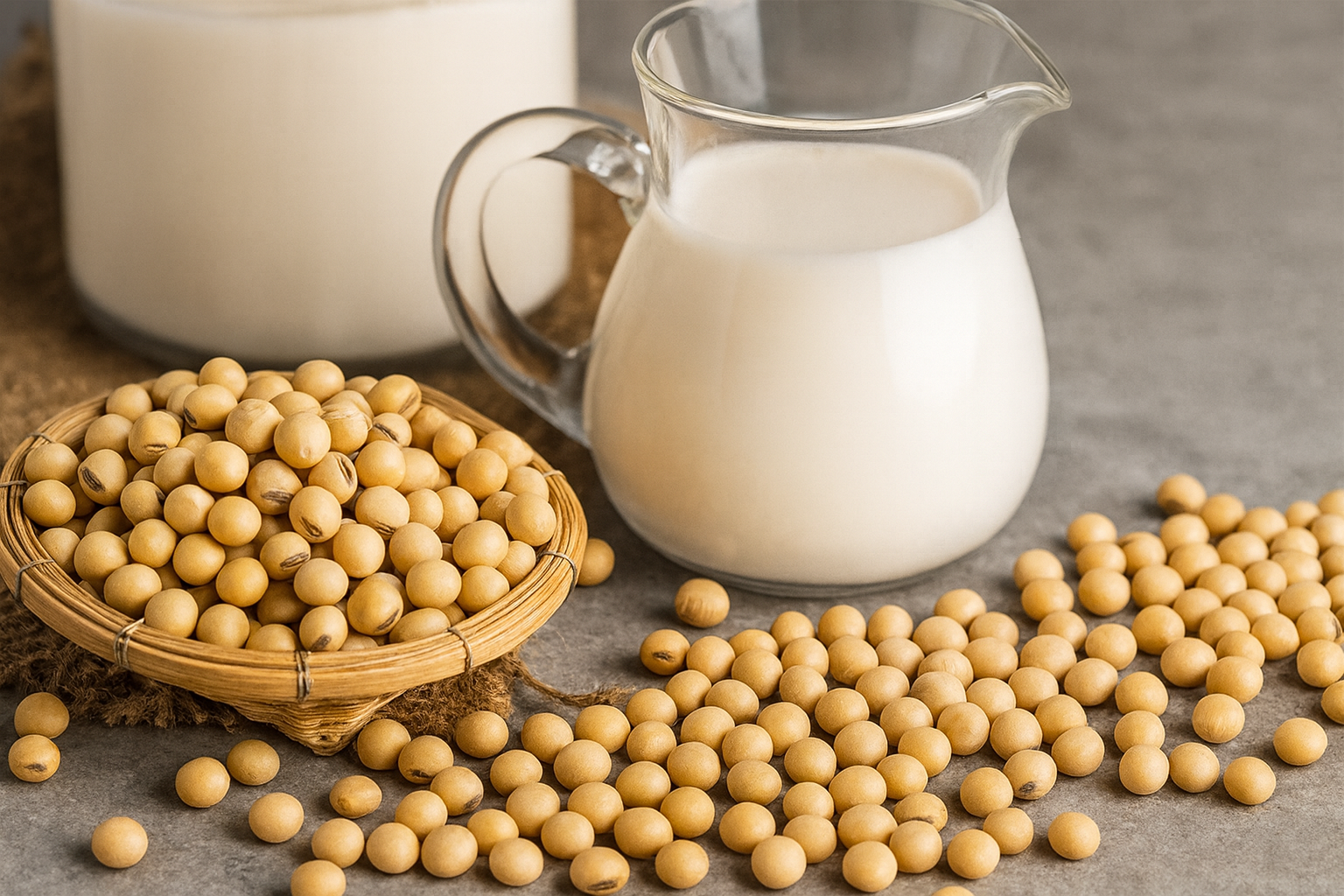
Soybeans and soybean products are plant-based protein sources rich in tryptophan and minerals such as magnesium, potassium, zinc, and folate. Tryptophan is an essential amino acid for brain function, immunity, and the production of serotonin and melatonin – two substances linked to sleep. One cup of cooked soybeans contains about 416 mg of tryptophan and a significant amount of fiber.
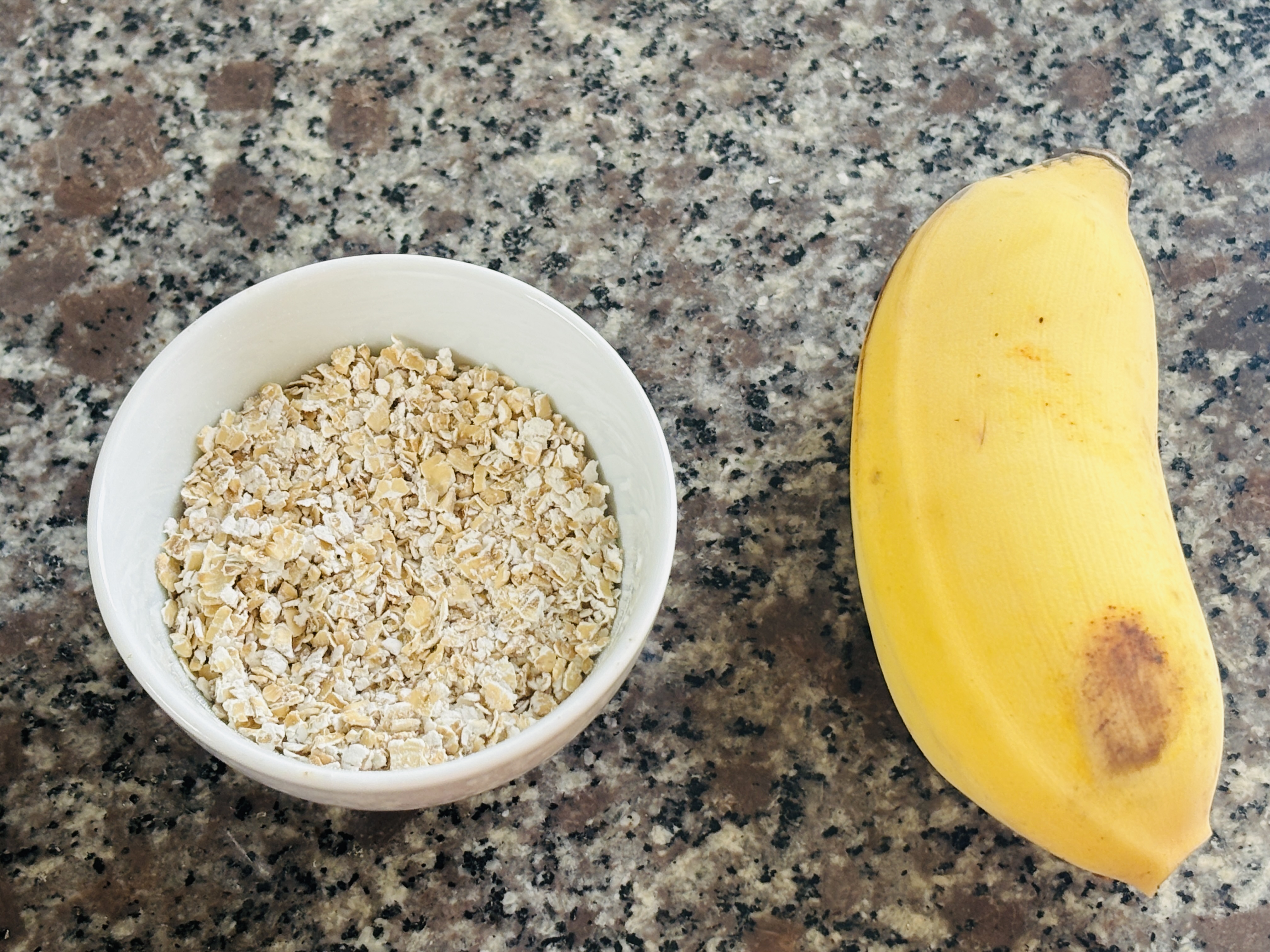 |
One cup of oat bran contains about 315 mg of tryptophan and abundant fiber. This food also helps manage cholesterol, blood sugar, and weight. Oat bran is rich in B vitamins, iron, magnesium, and zinc – nutrients crucial for nervous system health and sleep.
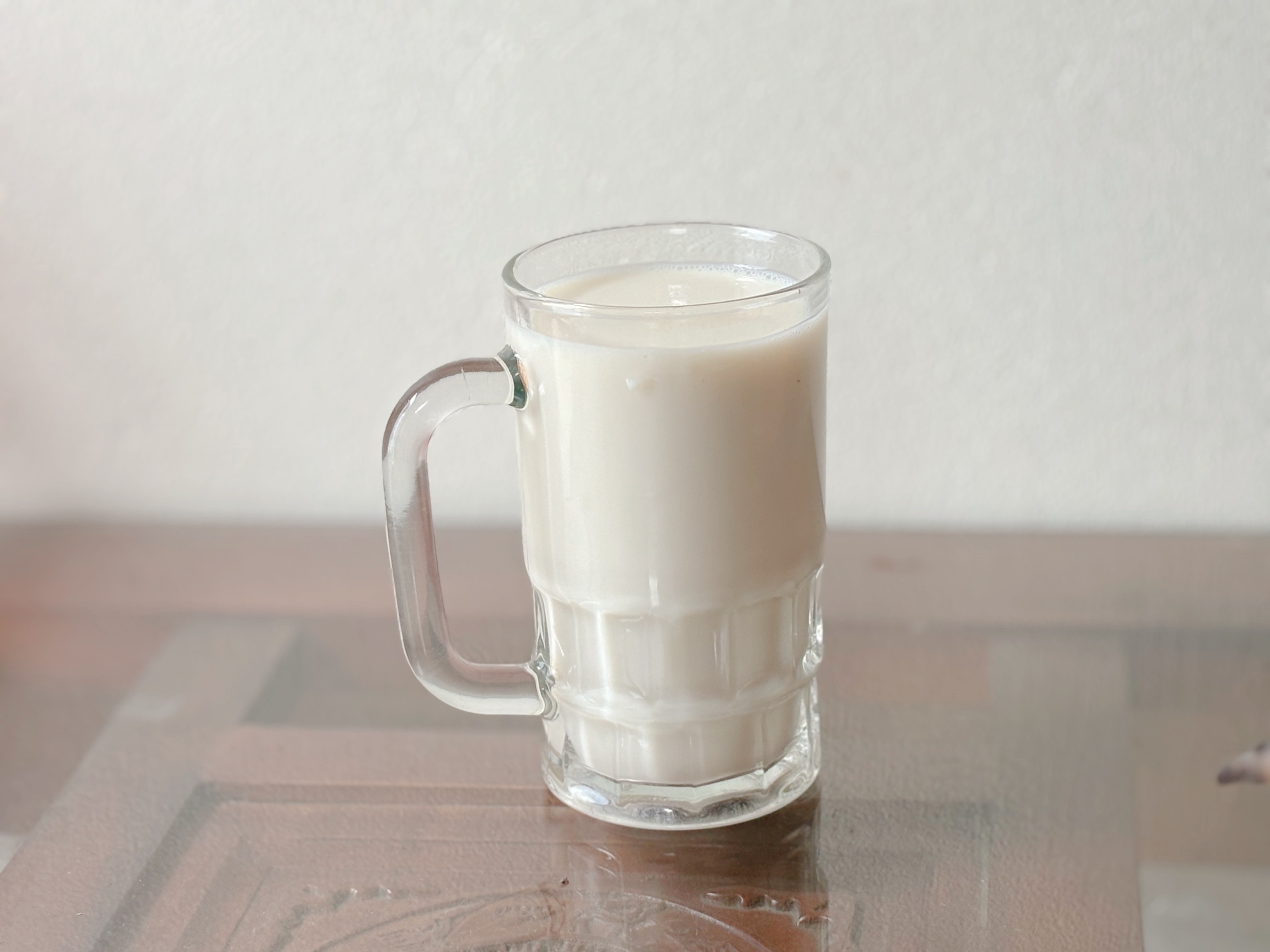 |
Milk and dairy products such as cheese, milk, yogurt, or cottage cheese all contain varying amounts of tryptophan. Besides aiding sleep, milk provides calcium and phosphorus, which help maintain bone health.
 |
Poultry such as chicken, turkey, and duck are all rich in tryptophan. 100 g of turkey breast contains about 252 mg of tryptophan, while chicken breast typically has about 237 mg. Tryptophan from animal sources is absorbed more effectively than from plant sources.
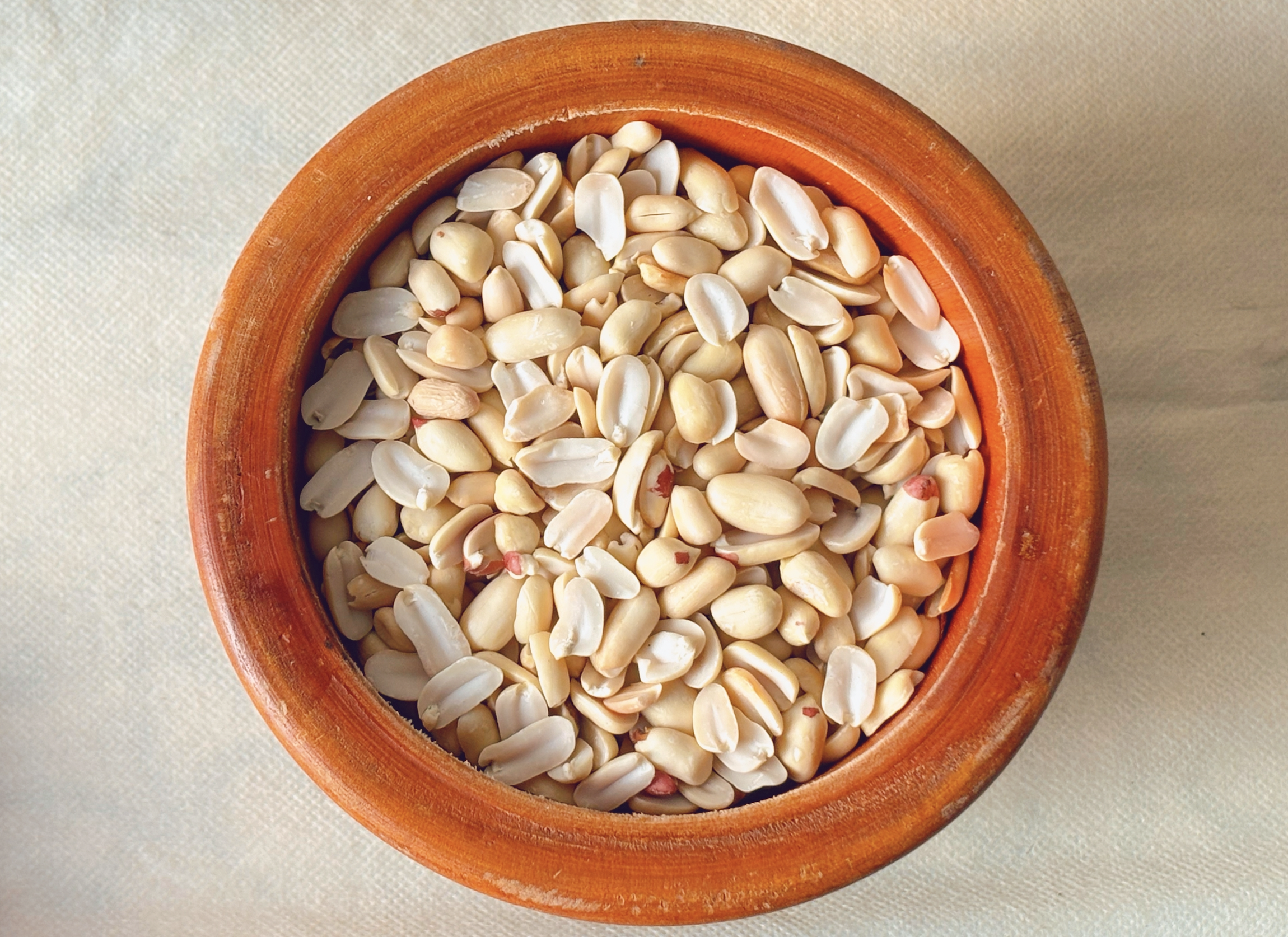 |
Peanuts provide both protein and tryptophan. Two tablespoons of peanut butter contain about 74 mg of tryptophan. Although peanuts are rich in fats, most are unsaturated fats that benefit cardiovascular health when consumed in moderation.
 |
A large potato contains about 77 mg of tryptophan and ample potassium. Potassium supports muscle, nerve, and cardiovascular function. It is advisable to eat potatoes at dinner or as a light snack 1-2 hours before bed to enhance their sleep-supporting effects.
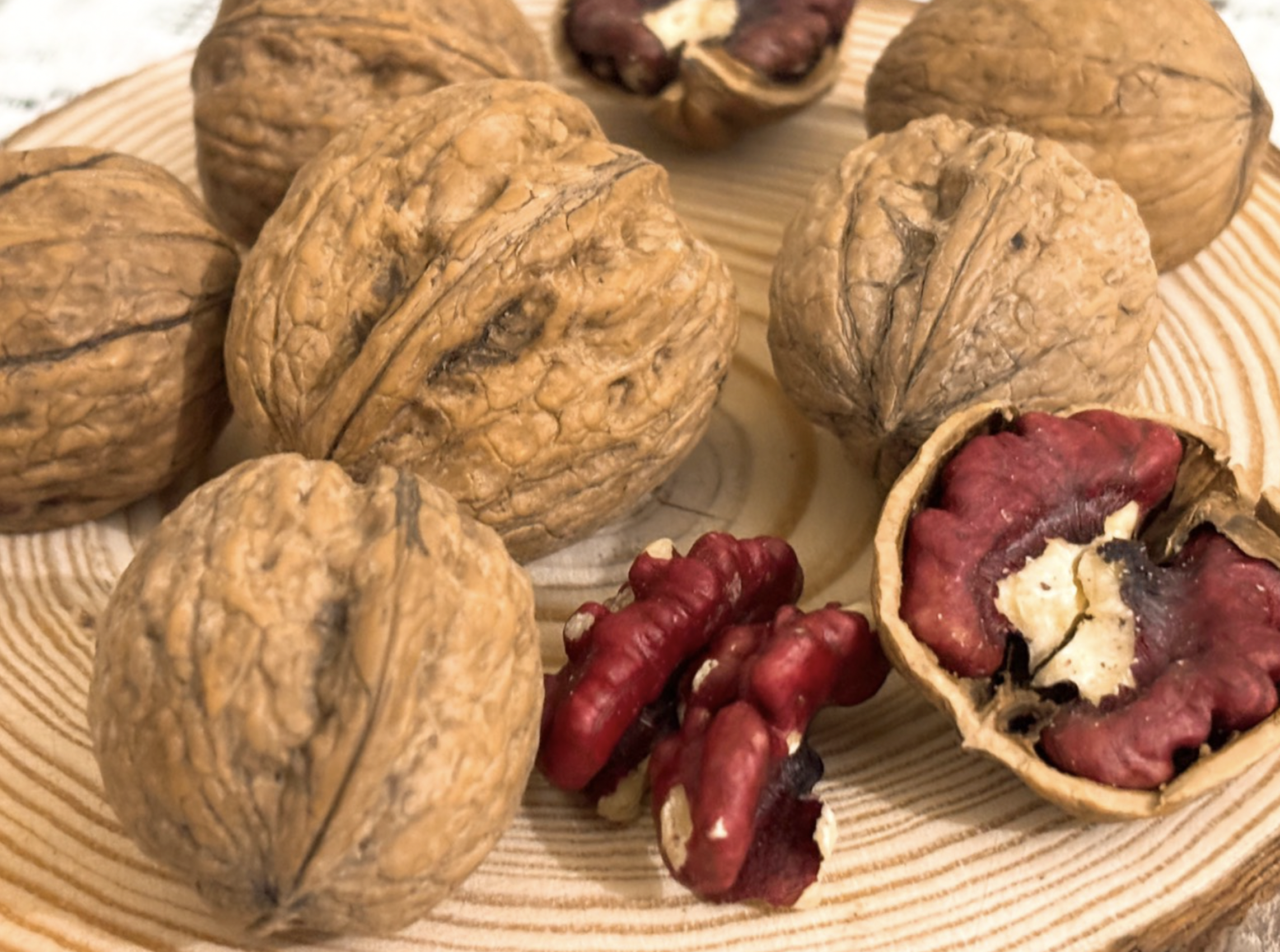 |
Various nuts, including almonds, walnuts, cashews, and nut butter, all contain significant amounts of tryptophan. They are also rich in vitamin E, magnesium, and unsaturated fats. The American Heart Association recommends replacing saturated fats with unsaturated fats from nuts to support cardiovascular health.
Bao Bao (According to Health)
Photos: Bao Bao, AI


