Biological heart valves are a common choice for treating various heart valve conditions, especially in older patients. These valves are crafted from specially treated pig heart tissue or cow pericardium, enhancing durability and minimizing the risk of rejection. Compared to mechanical valves, biological valves lead to less blood clot formation. Consequently, most patients do not require lifelong anticoagulant medication, unless other conditions such as atrial fibrillation or co-existing cardiovascular diseases are present. This benefit reduces the risk of bleeding associated with anticoagulants, simplifying daily life.
The lifespan of biological heart valves has improved due to advancements in materials and treatment techniques. Their durability varies, depending on the valve type, the replacement location, associated medical conditions, and the patient's age. Many biological valves can function effectively for 15-20 years, and some even longer with appropriate follow-up and care.
Before recommending a heart valve replacement, doctors consider factors such as the patient's age, overall health, bleeding risk, existing medical conditions, and their ability to use anticoagulant medication. For patients aged 65 and older, biological valves are often the preferred choice, according to international cardiovascular guidelines. This preference is due to their benefits in quality of life and the availability of future treatment options should the valve degenerate.
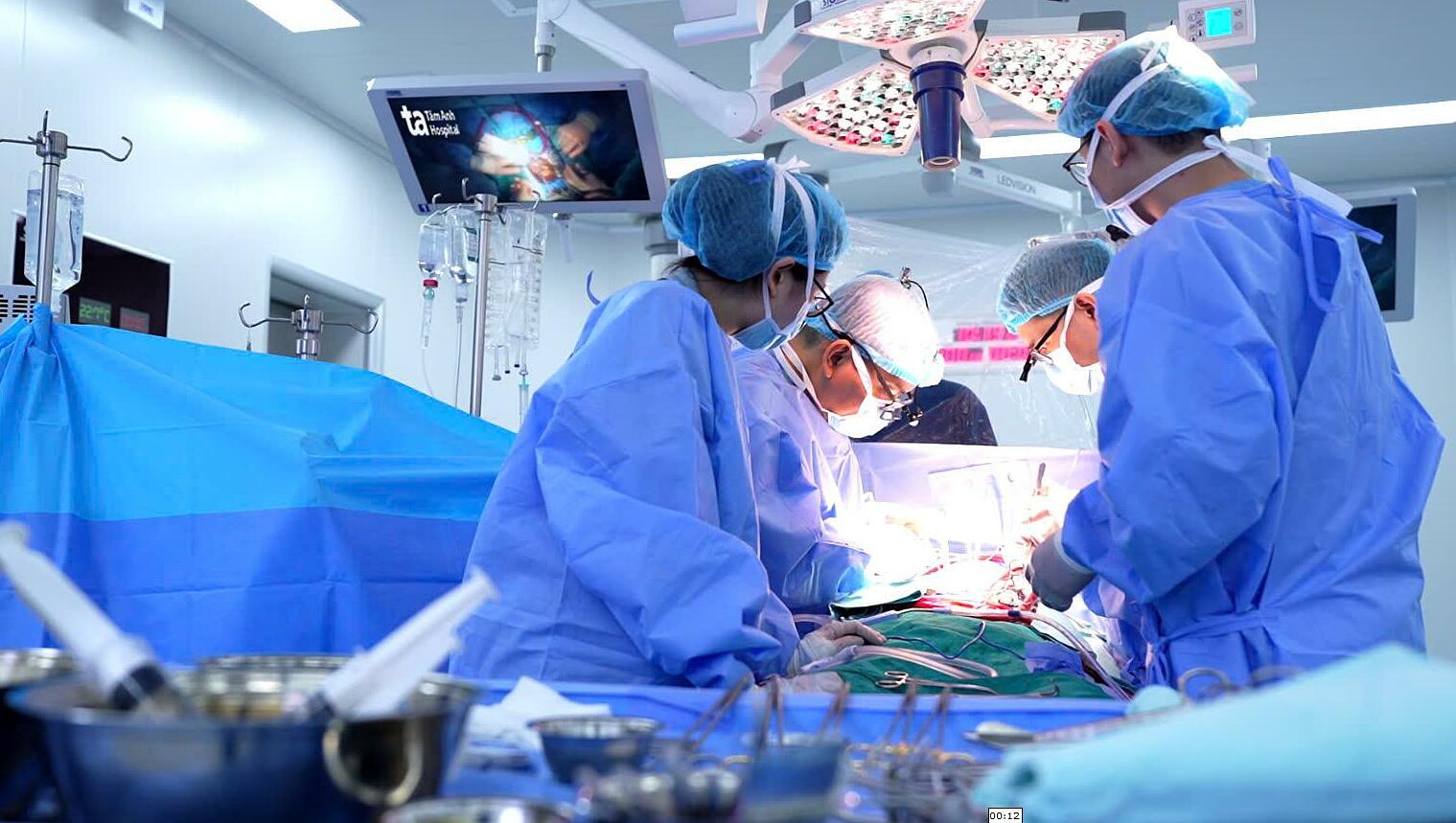 |
A surgical team performing a heart valve replacement. Illustration: Tam Anh General Hospital |
Over time, biological valves can degenerate, calcify, or experience leaflet tears, potentially leading to a recurrence of valve narrowing or leakage. Younger patients typically experience faster valve degeneration because of more active calcium metabolism. In contrast, biological valves in older patients tend to be more durable and have a longer lifespan.
If a biological valve degenerates, not all cases necessitate a second open-chest surgery. For many patients, doctors can perform a transcatheter aortic valve implantation (TAVI) using a "valve-in-valve" technique. This involves placing a new biological valve inside the old, failing one. This minimally invasive percutaneous procedure avoids open surgery, reduces pain, and shortens recovery time.
Following valve replacement, patients must attend scheduled follow-up appointments and undergo echocardiograms to assess the valve's function. Regular monitoring helps detect early signs of abnormalities, such as degeneration or dysfunction, enabling timely intervention to prevent complications.
Patients should diligently manage their blood pressure, blood sugar, blood lipids, and any co-existing cardiovascular conditions. It is important to engage in appropriate exercise, maintain a healthy weight, and adopt a balanced diet. Additionally, patients should avoid smoking, limit alcohol consumption, undergo regular dental check-ups, and adhere to their doctor's instructions for preventing infective endocarditis.
Patients should seek prompt medical attention if they experience symptoms such as progressively worsening shortness of breath, chest pain, palpitations, leg swelling, severe fatigue, or fainting. These symptoms may indicate that the heart valve is no longer functioning effectively or that complications have arisen, requiring immediate treatment.
Master, Doctor Hoang Van Trung
Center for Cardiac, Vascular and Thoracic Surgery
Tam Anh General Hospital Hanoi
| Readers can submit questions about cardiovascular diseases here for a doctor's response. |