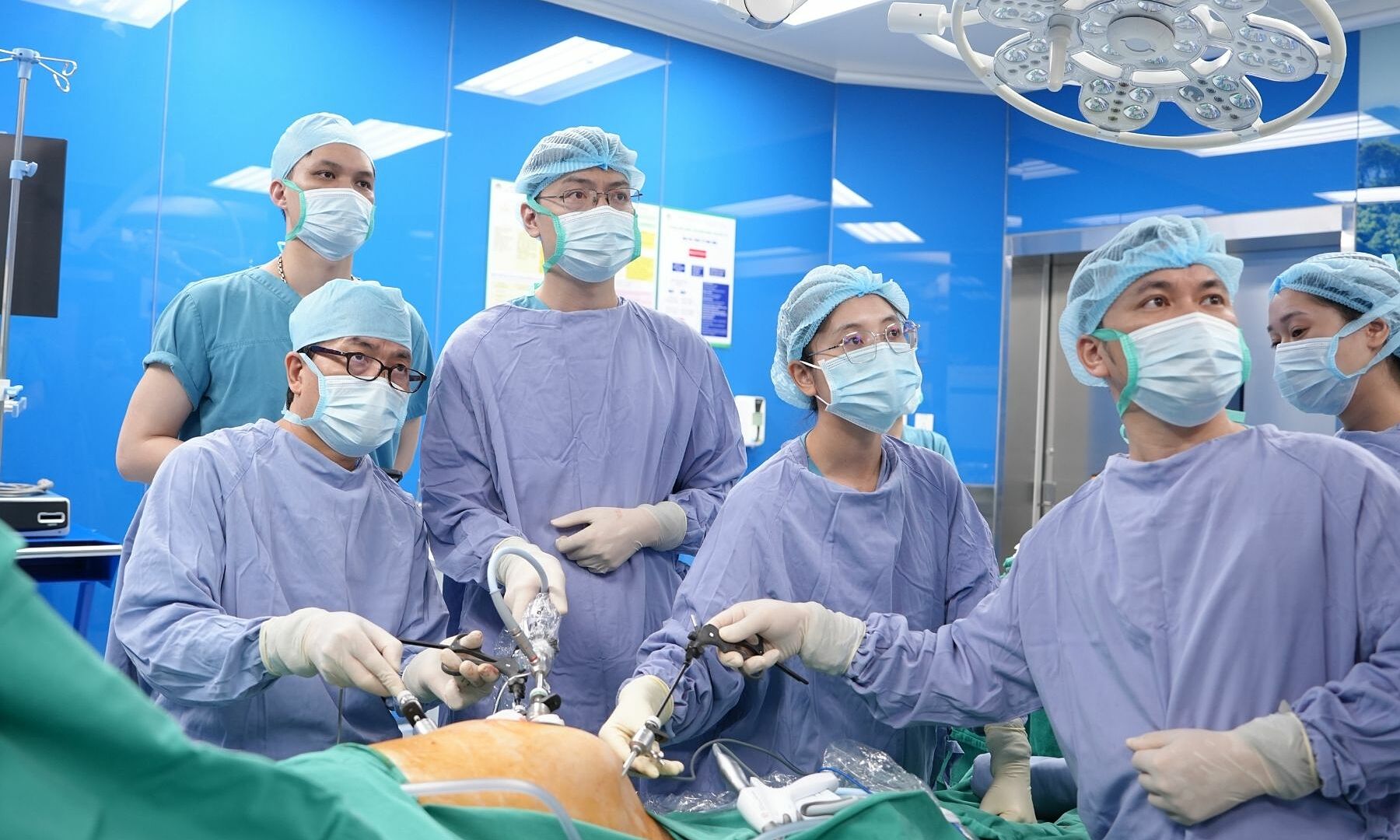
Sinusitis, also known as rhinosinusitis, occurs when the mucous membranes lining the paranasal sinuses become inflamed, swollen, and produce excess mucus, leading to blockage. This creates a favorable environment for bacteria to grow, which can result in infection.
The sinus lining features a ciliary system responsible for sweeping out secretions. Prolonged inflammation can weaken or destroy this system, causing the sinuses to lose their self-cleaning ability and fostering bacterial growth. Symptoms of sinusitis include nasal congestion, runny nose, sinus pain, headache, facial pain, an irritated throat leading to a cough, and fever.
Treating each acute sinusitis episode helps reduce inflammation, improve symptoms, and prevent complications. However, if a patient's chronic sinusitis involves structural abnormalities such as nasal polyps, a deviated septum, or turbinate hypertrophy, the sinus drainage and self-cleaning mechanisms become disrupted. The condition then easily recurs when exposed to irritants because the drainage pathways remain obstructed. These underlying structural issues often require surgical intervention for a lasting solution.
Some patients stop medication prematurely once symptoms improve, which prevents complete bacterial elimination. This can lead to antibiotic resistance and a resurgence of the infection. Patients with allergic predispositions to pollen, dust mites, mold, or cold weather are also more prone to sinusitis recurrence when exposed to these triggers.
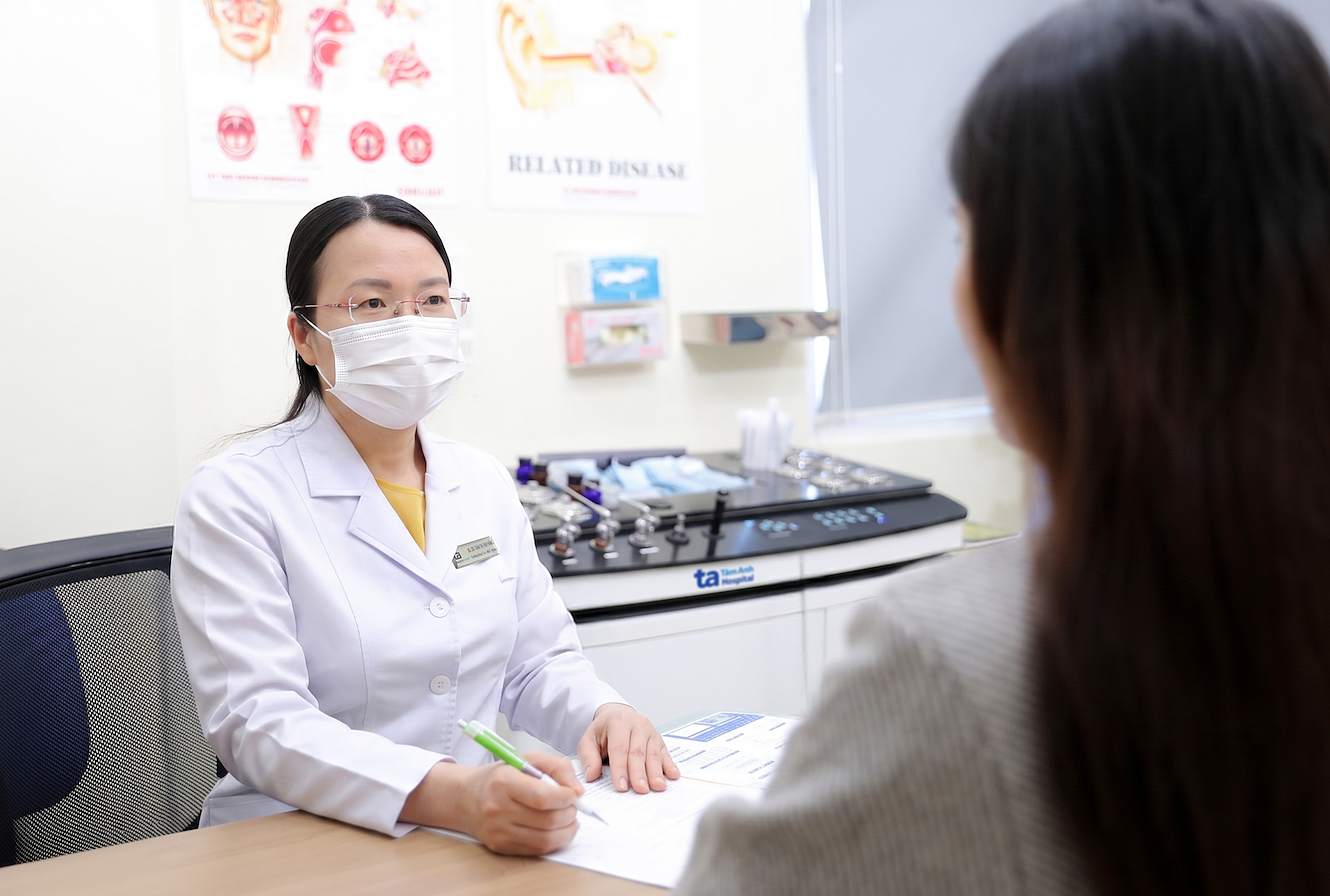 |
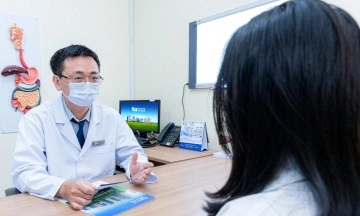
Doctor Hang consults a patient. Illustration: Tam Anh General Hospital |
If you experience recurrent chronic sinusitis, it is advisable to consult an ear, nose, and throat (ENT) specialist. They will conduct an examination, perform a nasal endoscopy, and in some cases, recommend a CT scan to assess the anatomical structure of your sinuses.
If structural abnormalities (such as a deviated septum, polyps, or turbinate hypertrophy) are the cause, the doctor will recommend surgery to resolve the obstruction. This helps the sinuses restore their drainage ability and reduces the long-term risk of recurrence. Post-surgery, patients must practice proper sinus care, including daily nasal rinsing with saline solution, wearing a mask outdoors, and avoiding smoke, dust, and cold. For sinusitis caused by allergies or environmental factors, patients should limit exposure to triggers and follow appropriate medical treatment.
Given the proximity of the sinuses to the eye sockets and skull base, uncontrolled, frequent sinusitis recurrence can lead to eye complications such as orbital cellulitis or eyelid abscess. If recurrence occurs more than three times a year, patients should consult an ENT specialist for proper diagnosis and tailored treatment, rather than relying on old prescriptions.
Master, Doctor, Level II Specialist Tran Thi Thuy Hang
Head of Ear, Nose, and Throat Department
Ear, Nose, and Throat Center
Tam Anh General Hospital