After a tooth extraction at a local clinic, Mr. Tam experienced persistent bleeding from the socket, which gauze compression failed to stop. The medical team at Tam Anh District 7 General Clinic controlled the bleeding, sutured the gum, and performed tests and imaging to assess his condition.
Mr. Tam suffers from chronic atrial fibrillation, heart valve regurgitation, mild heart failure, pulmonary hypertension, and a left atrial thrombus, requiring daily anticoagulant medication to prevent stroke. According to Doctor Vu Thanh Dat, an odonto-stomatology specialist at Tam Anh District 7 General Clinic, this was the reason for the patient's prolonged post-extraction bleeding.
The patient still had six deeply decayed tooth roots close to the gum, forming chronic infection sites capable of spreading bacteria into the bloodstream. For individuals with heart valve disease, bacteria from decayed teeth can travel through the blood and adhere to damaged heart valves, causing infective endocarditis—a complication potentially leading to heart failure and sepsis.
Doctor Dat explained that treatment was complex due to the patient's anticoagulant use. Continuing the medication risked prolonged bleeding during the procedure, while stopping it for too long could lead to blood clot formation and stroke. Therefore, doctors temporarily suspended the anticoagulant medication for an appropriate period, allowing clotting function to reach a safe threshold while minimizing thrombosis risk.
Once the patient's indicators stabilized, the team used ultrasonic tooth extraction technology to remove the six decayed tooth roots. This technique reduces trauma, limits damage to soft tissues and blood vessels, and preserves the alveolar bone.
After the extraction, doctors cleaned the tooth socket, placed specialized hemostatic material, and sutured the gum. The patient did not experience prolonged bleeding, his cardiovascular condition stabilized, and he was discharged on the same day.
 |
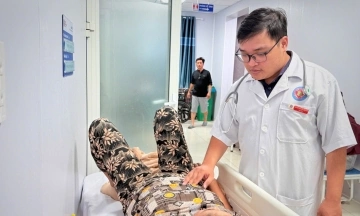
Doctor Dat removes six decayed tooth roots for the patient after clotting indicators reached a safe threshold. Photo: Tam Anh General Hospital |
According to Doctor Dat, many people view tooth decay as a simple oral disease. However, for individuals with heart disease, especially those with damaged heart valves or who are on anticoagulant medication, peridontal inflammation sites can become a source of bacteria causing infective endocarditis. Cardiovascular patients should not attempt self-extraction at facilities not equipped to handle high-risk situations.
Doctors recommend that before any dental procedure, patients undergo assessment of their medical history, current medications, and cardiovascular risks. Multidisciplinary coordination helps reduce the risk of bleeding, thrombosis, and ensures timely management of complications.
Thao Vy
*The patient's name has been changed
| Readers can submit questions about cardiovascular disease here for doctors to answer. |