Hand, foot, and mouth disease (HFMD) is caused by the Enterovirus group of intestinal viruses, encompassing various strains such as Coxsackievirus A16, A6, and Enterovirus 71 (EV71). The EV71 strain itself has multiple subgroups, including B3, B4, B5, C1, C4, and C5. After recovering from the illness, a child's body develops immunity only to the specific virus strain they contracted, not cross-immunity to other strains or subgroups. Consequently, if a child is exposed to a different group or subgroup than the one they previously had, there remains a risk of reinfection. For instance, a child who previously had strain A16 can still be reinfected with strain EV71 if exposed to it, or can be reinfected with EV71 subgroups they have not encountered before. The time to reinfection can range from a few weeks to several months, depending on the circulating virus strain, hygiene practices, and the child's immune system. A child can be reinfected two to three times, with higher rates observed in malnourished children, infants, and those with compromised immune systems.
HFMD is common in children under 10 years old, particularly those under six years old. The pathogen spreads easily through nasal and throat secretions, saliva, hands, and feces of infected individuals. Places where children gather, such as nurseries and schools, can therefore increase the risk of transmission. The Ministry of Health recently warned that the number of cases is expected to continue rising as children begin the new 2026-2027 school year. This increase is attributed to children's frequent close contact, shared toys, and group activities in school settings, which make them susceptible to the disease. This year falls within the three-year cycle of HFMD outbreaks, following a major epidemic in 2023 where the EV71 virus strain was dominant and caused many deaths.
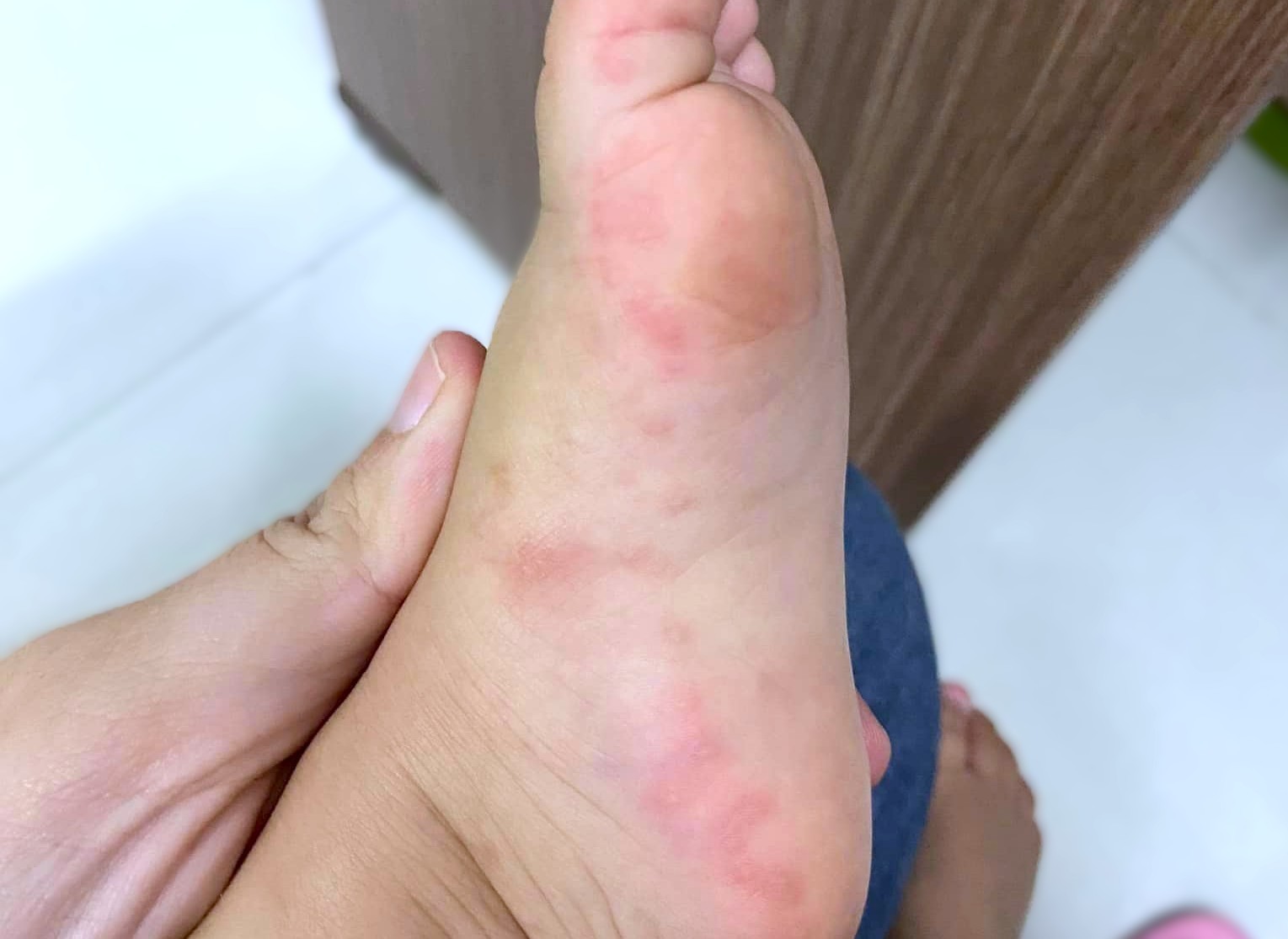 |
Blisters appearing on the foot of a child with hand, foot, and mouth disease. Photo: Bao Ngoc |
To help children avoid reinfection, parents, schools, and nurseries must consistently implement the "three cleans" principle: clean eating, clean living, and clean hands. Specifically, teach and assist children in frequently washing their hands with soap and clean water, especially before eating, after using the restroom, playing with toys, sneezing, or coughing. Remind children to avoid touching their eyes, nose, and mouth. Homes, contact surfaces, tables, chairs, floors, toys, and learning tools should be regularly cleaned and disinfected with antiseptic solutions. Clothes, blankets, pillows, and face towels require washing with soap and hot water to eliminate virus secretions. Living spaces should be airy and clean; use lidded trash cans and dispose of waste properly to prevent gastrointestinal virus transmission. Ensure children eat a nutritious diet, drink enough water, increase vitamin intake from vegetables and fruits, and get sufficient sleep, avoiding late nights to boost their immune resistance.
Children should avoid contact with individuals currently infected with HFMD. They should wear masks in crowded places, public areas, and playgrounds. Do not share personal items such as cups, bowls, spoons, or face towels with others. In the event of an outbreak, parents should limit taking children to crowded places like nurseries, schools, and playgrounds. If a child is reinfected, parents should keep them home from school, seek medical examination, and closely monitor for severe signs: persistent high fever, startling, trembling limbs, rapid breathing, continuous crying, or refusal to eat.
The hand, foot, and mouth disease vaccine was licensed by the Ministry of Health in March. This vaccine is for children from two months to under six years old. It helps prevent the dangerous EV71 virus strain that causes HFMD and offers cross-protection against different subgroups, thereby reducing the risk of illness and reinfection. VNVC is currently expediting procedures to bring the vaccine to Vietnam and will implement vaccinations for children at nearly 300 centers nationwide.
Beyond HFMD, many other respiratory and gastrointestinal diseases pose a risk of transmission when children return to school. Parents should review vaccination schedules to ensure children receive catch-up, booster, or supplementary doses to prevent co-infections.
Doctor Doan Thi Khanh Cham
Medical Manager, VNVC Vaccination System
Readers can ask vaccine-related questions for doctors to answer here.