Coughing up blood, medically known as hemoptysis, can be an alarming symptom. While it is an important warning sign of lung cancer, it can also stem from numerous other benign causes or acute respiratory conditions. Therefore, anyone experiencing this symptom should seek prompt medical evaluation.
The lungs contain a dense, complex network of blood vessels. When these vessels are damaged or rupture due to inflammation, pressure, or other structural injuries, blood exits through the airways during a cough, leading to hemoptysis. In cases of lung cancer, malignant cells can proliferate, invading and destroying surrounding blood vessels and causing lung tissue necrosis, which then results in airway bleeding.
However, hemoptysis is not exclusively linked to cancer. Other potential causes include: bronchiectasis, pulmonary tuberculosis, pneumonia, lung abscess, or the use of anticoagulant medications. Given these varied possibilities, a thorough medical assessment is crucial to determine the underlying cause and severity.
 |
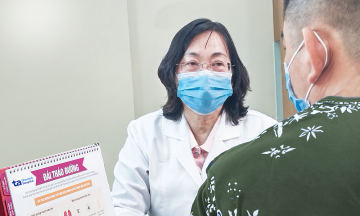
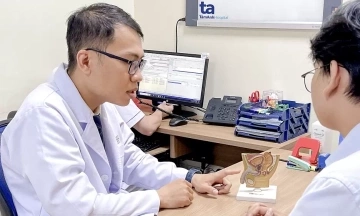
Doctor Nghia examines a lung patient. Photo: Tam Anh General Hospital.
A doctor will evaluate the severity, pinpoint the bleeding site, and identify the root cause. Diagnostic procedures may include: a chest CT scan, bronchoscopy, sputum tests, and necessary respiratory function assessments to screen for malignant lesions or other lung diseases.
If lung cancer is the identified cause of hemoptysis, the treatment regimen will depend on the disease stage, histopathological type, and the patient's overall health. Treatment options may involve: surgery, chemotherapy, radiation therapy, immunotherapy, or targeted therapy.
For hemoptysis caused by inflammatory diseases or bronchiectasis, doctors may prescribe antibiotics, hemostatic drugs, or pulmonary artery intervention if needed. It is critical that patients never self-medicate or dismiss symptoms lightly, as this could lead to serious complications.
Patients experiencing hemoptysis should record specific details for their doctor, such as: the characteristics of the coughed-up blood (fresh blood or mixed with sputum, large or small quantity), the timing of its appearance, and any accompanying symptoms like chest pain, shortness of breath, weight loss, or fever. Adopting a healthy lifestyle, including quitting smoking and avoiding stimulants, also helps prevent dangerous complications.
Severe hemoptysis is a medical emergency requiring immediate attention. Patients must go to the nearest medical facility for hemostasis and timely treatment.
Dr. Nguyen Duc Nghia, Master, First Degree Specialist
Thoracic - Vascular Surgery Center
Tam Anh General Hospital, TP HCM
| Readers can ask questions about cancer here for doctors to answer. |