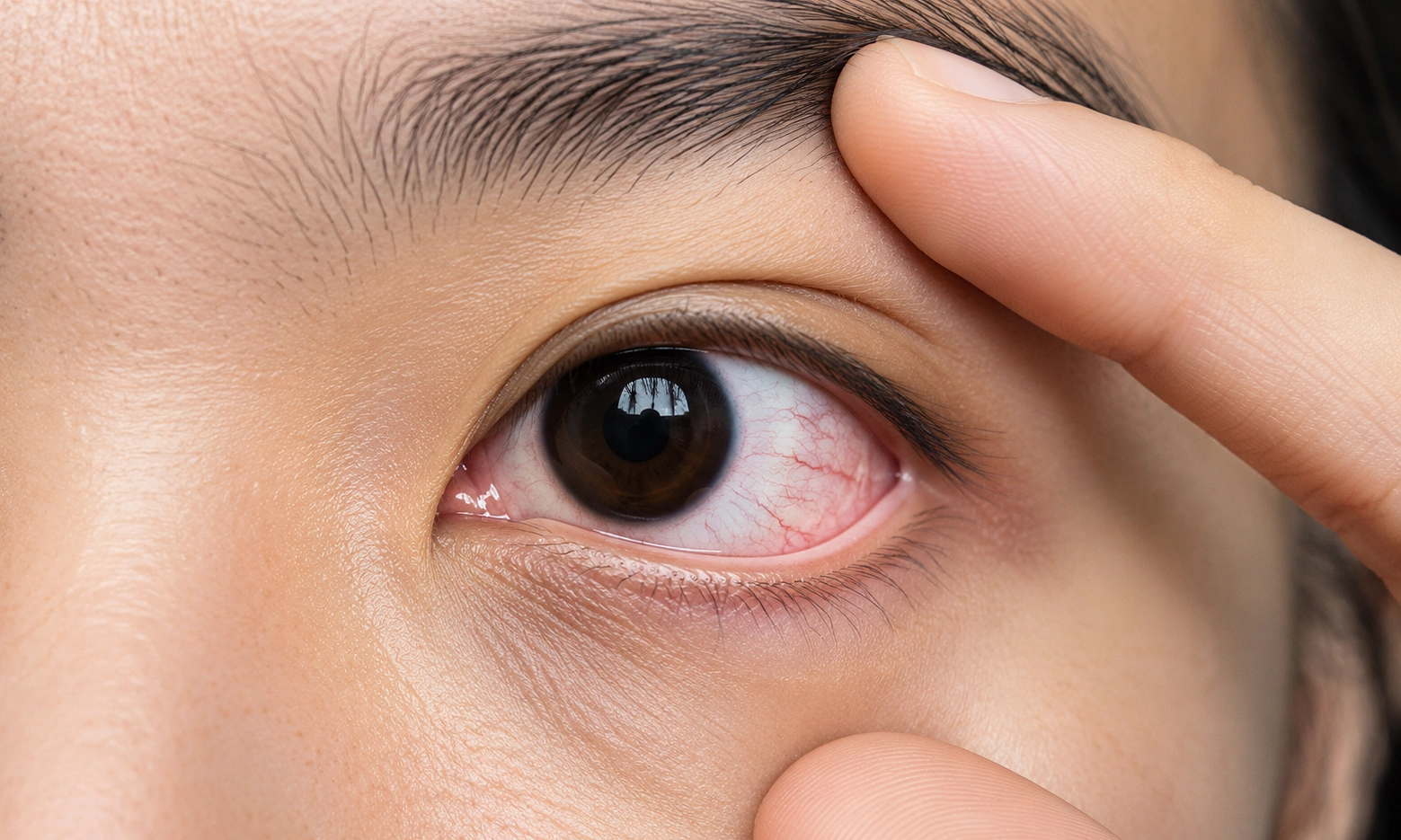
Nicotine pouches are small pouches placed between the lip and gum during use. These products do not contain tobacco leaves but include nicotine, the primary addictive substance. Nicotine can be extracted from tobacco or synthetically produced. This characteristic of "not containing tobacco leaves" often leads to the product being promoted as a modern, cleaner, or different alternative to traditional tobacco products.
On 8/7, Doctor Hoang Thi My Hanh from the Institute of Health Strategy and Policy (Ministry of Health), stated that the greatest danger of this product lies in its nicotine content, which far exceeds safe limits. While medical smoking cessation therapies only permit less than 4 mg of nicotine, each pouch typically contains 9 to 12 mg, with some varieties containing up to 150 mg.
When placed between the lip and gum, this nicotine is absorbed directly into the bloodstream, causing damage to the oral mucosa, acutely increasing heart rate, and adversely affecting the cardiovascular system. For young people, early exposure also impairs brain development and accelerates the risk of long-term dependence.
What concerns experts is how these products conceal their toxicity under a "modern" guise. Doctor Hanh explained that because nicotine pouches do not contain tobacco leaves, manufacturers often market them as a "cleaner" option that does not cause bad breath or tooth staining.
Similarly, the World Health Organization (WHO) warns that terms like "tobacco-free" or "non-tobacco" create a misleading perception of safety, while nicotine itself remains a highly addictive substance.
More dangerously, some additives like organic acids or cooling agents further increase nicotine absorption, accelerating the risk of addiction in young people who have never used tobacco. The clandestine use in offices or schools leads to continuously high nicotine levels in the bloodstream, exacerbating the level of dependence.
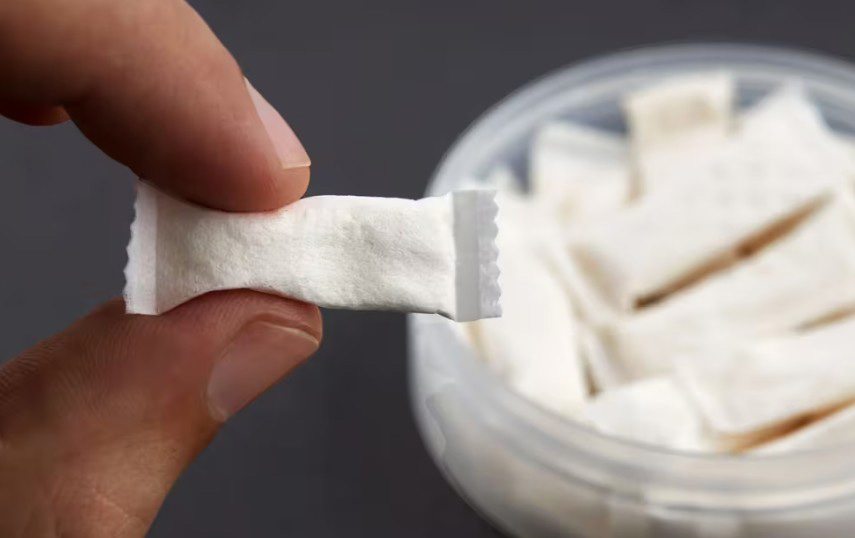 |
Nicotine pouches. *Photo: Cleveland Clinic*
According to the STOP organization, approximately 34 billion nicotine pouches are projected to be consumed globally in 2025, a 253% increase compared to 2019. In the United States alone, sales increased by over 1,300% in just a few years, making this product the second most popular nicotine product among students in 2024.
Although the U.S. Food and Drug Administration (FDA) authorized the marketing of some products in 1/2025, Doctor Hanh noted that this decision "is often misunderstood, because the FDA does not confirm product safety, does not declare them harmless, and does not recognize them as cessation aids."
Doctor Etienne Krug, Director of WHO's Department of Social Determinants of Health, Health Promotion and Prevention of Noncommunicable Diseases, warned that governments are witnessing these products spread rapidly, especially among young people, who are being aggressively targeted by deceptive tactics.
"These products are deliberately designed to be addictive, and we need to protect the younger generation from the manipulation of the tobacco industry", Doctor Krug stated.
Given the potential harm to public health, especially Generation Z, who are being targeted with attractive packaging and appealing flavors, the Ministry of Health proposes classifying nicotine pouches as "other new tobacco products" and implementing a comprehensive ban on their production, trade, transport, advertising, and use.
Doctor Hanh emphasized that establishing a comprehensive legal framework for all new nicotine-containing products is a fundamental solution to protect public health and prevent the growing trend of use among young people.
WHO also recommends that countries implement strict regulations, including: a complete ban or severe restriction on sweet, fruit, and mint flavors; an absolute ban on all social media advertising and marketing activities; strict age verification at retail points; mandating plain packaging with clear warnings; increasing taxes, and imposing a cap on maximum nicotine content.
Binh Minh (According to WHO, Stanford Medicine)