Ulcerative colitis is an inflammatory condition that causes damage, which can be localized or widespread in the mucosal lining. To support digestion and prevent inflammation, patients need to follow a diet high in fiber and low in fat. Green vegetables play a crucial role in this diet, providing essential nutrients and being rich in prebiotics – fiber that promotes the growth of beneficial bacteria in the gut.
Vegetables beneficial for people with ulcerative colitis include carrots, pumpkin, zucchini, potatoes, sweet potatoes, green beans, and asparagus. These vegetables are high in soluble fiber, which can absorb and help stabilize gut function. This fiber is particularly helpful for patients experiencing acute diarrhea due to its ability to slow down digestion and improve stool consistency.
Asparagus and green beans have lower insoluble fiber content, which helps prevent intestinal irritation and does not trigger symptoms like bloating, diarrhea, or abdominal pain flare-ups.
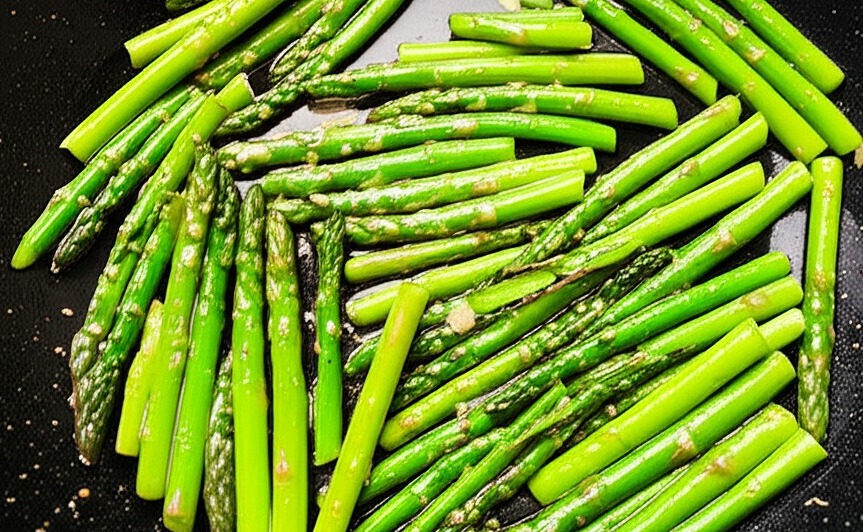 |
Asparagus is rich in nutrients and soluble fiber. *Ngoc Linh* |
Some vegetables that should be limited with ulcerative colitis include broccoli, cauliflower, Brussels sprouts, cabbage, kale, and spinach. For four to six weeks after ulcerative colitis surgery, patients should completely avoid this group of vegetables because they contain raffinose, a complex sugar that is difficult to digest. When this sugar reaches the colon, it is easily broken down by bacteria, producing gas and causing bloating.
These vegetables also contain high amounts of insoluble fiber, which has a coarse texture that can easily irritate damaged intestines, increasing discomfort. When the gut is stable, people can consume cruciferous vegetables but in small quantities. Limiting chili and spicy seasonings like pepper and mustard during cooking helps avoid irritation. Instead, turmeric and ginger, known for their high anti-inflammatory and antioxidant properties, can be used to soothe the intestinal lining and reduce pain.
Cooked vegetables are generally easier to digest than raw ones, especially when patients are undergoing treatment for ulcerative colitis. When eating vegetables, peel them thoroughly, as many types like carrots, white radishes, yellow radishes, squash, or potatoes have insoluble fiber in their skins; removing the skin reduces the risk of intestinal irritation. Prioritize cooking and softening vegetables by boiling or steaming, while limiting frying or sauteing, as these methods increase fat content and can cause irritation. Patients can also mash or puree vegetables to make them easier to digest, which helps improve tolerance.
Adopting a healthy lifestyle and eating well contribute to preventing ulcerative colitis from progressing and causing dangerous inflammatory complications such as gastrointestinal bleeding, colon perforation, or malnutrition.
*Anh Chi (According to EveyDay Health)*