Iodine is an essential micronutrient, playing a crucial role in thyroid gland function. It is a component involved in the production of thyroid hormones thyroxine (T4) and triiodothyronine (T3). These two hormones help regulate the body's metabolism, development, and growth.
The body does not synthesize iodine on its own, so everyone needs to supplement it through food. However, iodine requirements differ among individuals with thyroid conditions.
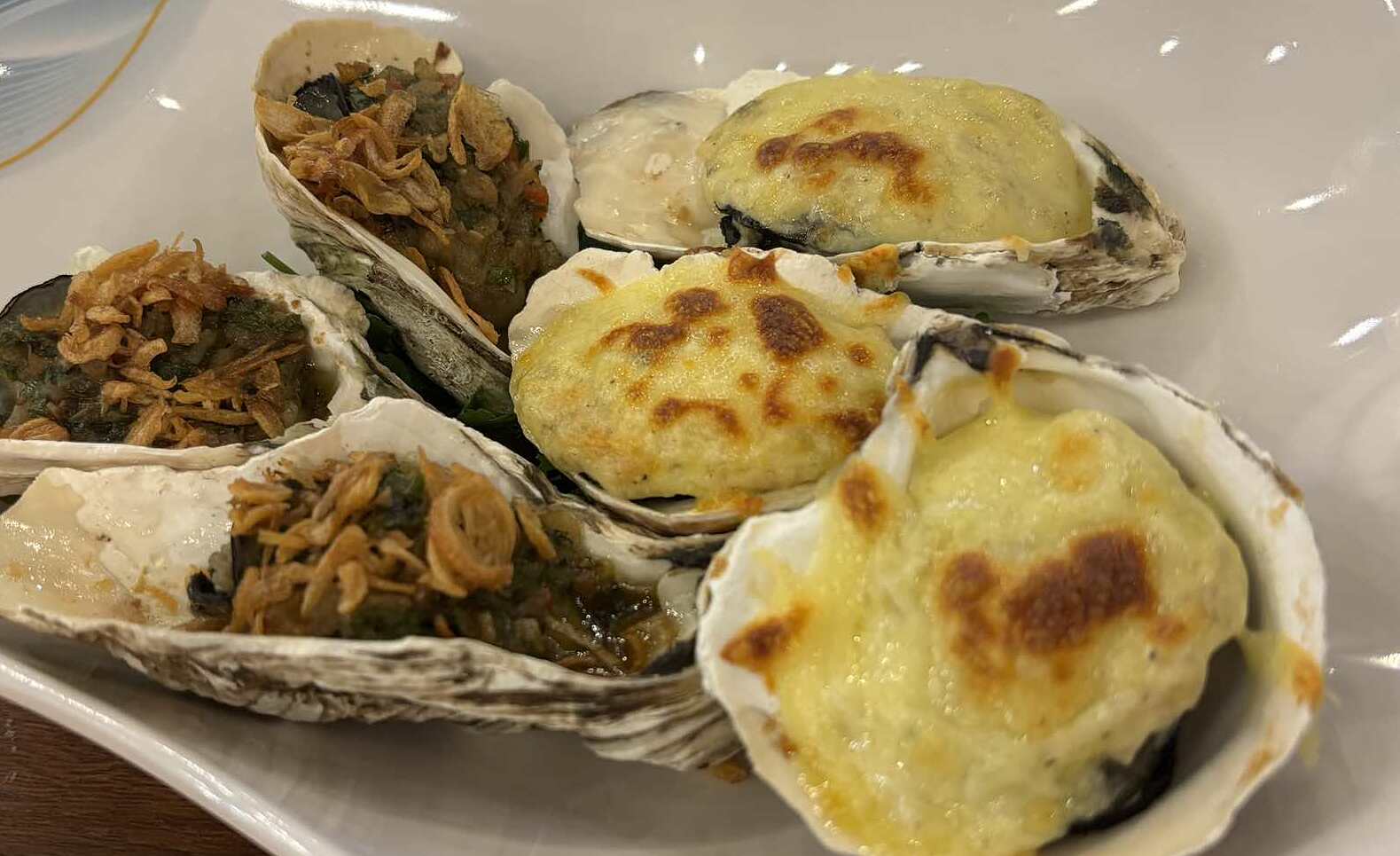 |
Oysters are rich in iodine, and people with hyperthyroidism should limit their consumption. Photo: Anh Chi
Hyperthyroidism is a condition where the thyroid gland is overactive. Consuming additional iodine stimulates the gland to produce excess hormones, which worsens the disease and increases the risk of complications. Patients undergoing radioactive iodine treatment must further restrict dietary iodine to enhance treatment effectiveness.
Since you have hyperthyroidism, you should reduce your iodine intake. Prioritize non-iodized salt along with foods such as green vegetables, fruits, grains, egg whites, nuts, vegetable oils, and natural spices. Simultaneously, limit seafood, shellfish, seaweed, egg yolks, and french fries due to their high iodine content. Avoid stimulants like alcohol, coffee, and tobacco, as they can increase metabolism and cause dehydration.
In contrast, patients with goiter need to supplement iodine daily. Goiter occurs due to iodine deficiency, causing the thyroid gland to enlarge. This is a benign goiter and does not cause hyperthyroidism or hypothyroidism.
For this group of patients, the diet should increase iodine-rich foods such as iodized salt and seafood. Additionally, vitamin A should be supplemented to promote thyroid hormone production. Magnesium-rich foods like dark leafy greens, malabar spinach, or fish mint are also beneficial for the health of goiter patients.
Individuals with benign thyroid nodules or hypothyroidism should ensure their diet provides adequate iodine according to recommended needs. Patients should eat a variety of green vegetables and seafood in reasonable amounts, and limit overly salty foods or those high in saturated fat.
To help effectively manage the condition, people with thyroid disease should cook at home to control the amount of salt and food consumed. Limit the use of processed foods, as preservatives and additives in them can affect disease control.
Master of Science, Doctor Ha Dinh Khai
Department of Endocrinology - Diabetes
Tam Anh General Hospital Hanoi
| Readers can ask questions about thyroid disease here for doctors to answer |