Answer:
Sitting is a state where the body expends very little energy. When this posture is maintained continuously for many hours, the activity of large muscles, especially those in the legs and buttocks, significantly decreases. As a result, the body uses blood sugar and fats less efficiently.
Over time, blood sugar and blood fat levels tend to increase, creating conditions for insulin resistance, obesity, and metabolic disorders. These factors all raise the risk of developing coronary artery disease, myocardial infarction, and stroke.
Beyond its impact on metabolism, sitting for too long also directly affects the circulatory system. Normally, whenever one walks or moves, the leg muscles act as a "pump" to help return blood to the heart. When sitting continuously for many hours, blood circulation in the lower limbs slows down, reducing circulatory efficiency and increasing the risk of blood clot formation in some individuals with risk factors.
Extended physical inactivity also impairs the function of the vascular endothelium, the layer of cells that regulates blood flow and protects blood vessel walls. When the endothelium is damaged, the process of atherosclerosis accelerates.
Exercising for one hour daily is a very good habit for health, but it is not enough to fully offset the effects of prolonged sitting. What matters is not just the time spent exercising, but also the level of physical activity throughout the rest of the day. If most of the time is spent sitting motionless, the risk of cardiovascular impact can still accumulate over time.
 |
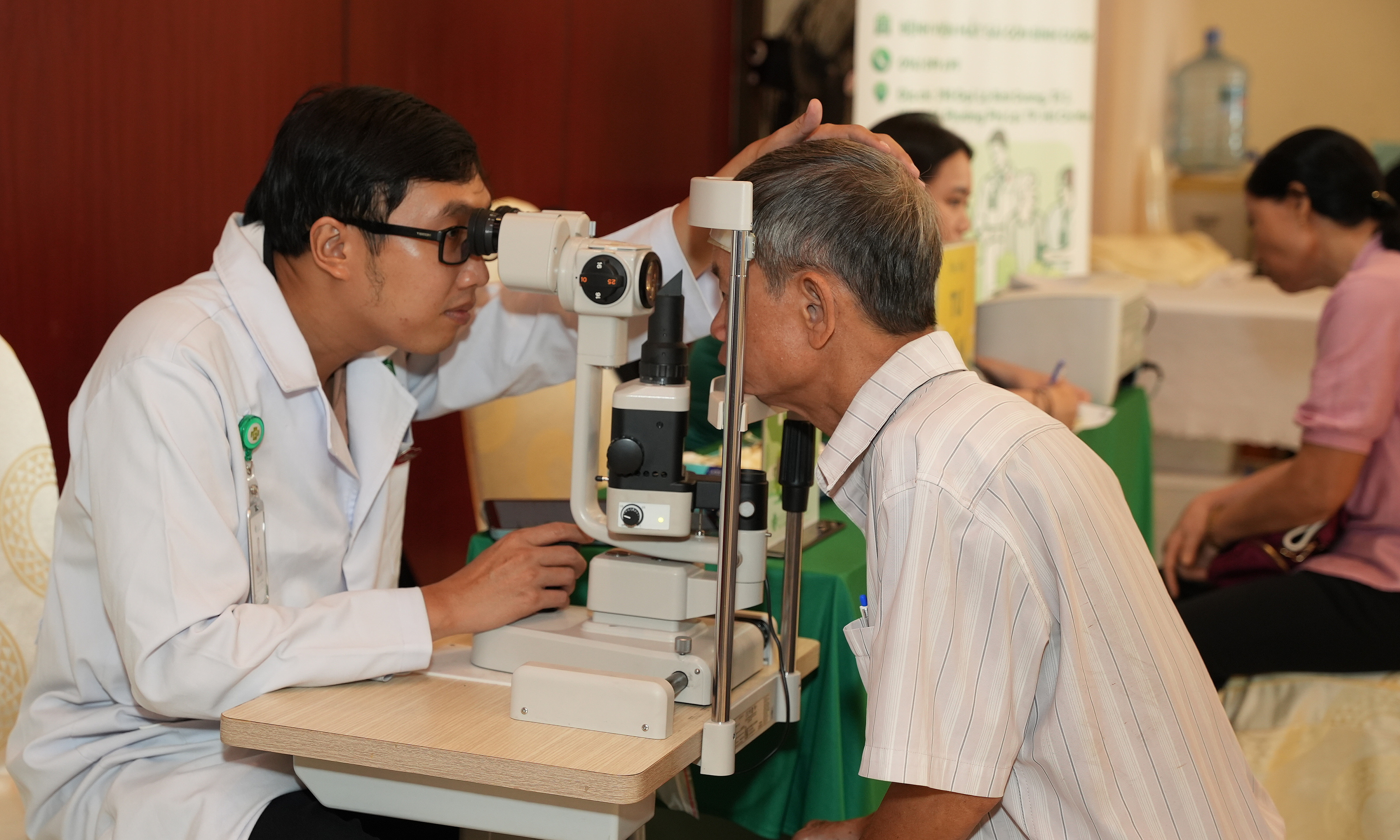
A doctor examines the heart of someone with a sedentary lifestyle. *Illustration: Tam Anh General Hospital*
Experts refer to this as the "active couch potato" phenomenon: individuals who exercise but spend most of their remaining time sitting. In other words, 30 minutes of physical activity cannot fully compensate for 10-12 hours of inactivity.
Another less-noticed effect is that prolonged sitting often leads to weight gain and the accumulation of visceral fat. Unlike subcutaneous fat, visceral fat, which surrounds organs in the abdominal cavity, can secrete numerous inflammatory substances, increasing the risk of high blood pressure, type 2 diabetes, and cardiovascular disease.
Many people believe that only overweight individuals are at risk. In reality, many people with normal weight still accumulate significant visceral fat due to prolonged sitting and physical inactivity. This is a high-risk group that is easily overlooked.
Prolonged sitting also affects blood pressure. When the body is inactive, blood vessel walls gradually lose elasticity, increasing peripheral resistance and making blood pressure harder to control. In the long term, this is one of the factors contributing to the development of hypertension.
The groups most clearly affected are office workers, drivers, people who work online, or those who frequently use computers for extended periods. However, this condition is becoming increasingly common across all age groups as the time spent using phones, tablets, and other electronic devices increases.
Experts recommend not sitting continuously for more than 30-60 minutes. After each period, individuals should stand up, walk around, stretch, or engage in light activity for a few minutes to stimulate blood circulation and muscle activity.
Simple changes such as taking the stairs instead of the elevator, standing up to answer phone calls, taking short walks during breaks, or working at a standing desk can significantly reduce sedentary time throughout the day.
Adults should maintain at least 150 minutes of moderate-intensity physical activity or 75 minutes of vigorous-intensity activity each week, as recommended by international cardiology organizations.
Master, Doctor Nguyen Thi Xuan Yen
Cardiology Department
Tam Anh General Hospital Hanoi
| Readers can submit questions about cardiovascular disease here for doctors to answer. |