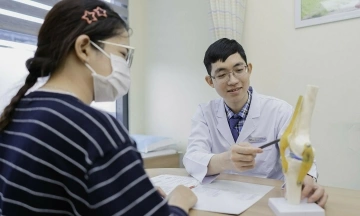
A doctor explains disease risks and prevention methods for children during summer holidays. Video: VNVC
Summer holidays are a time for children to relax and explore new places, whether visiting relatives in the countryside or participating in exciting summer camps. While these activities offer valuable experiences, the change in environment, diet, and daily routine can increase a child's susceptibility to various illnesses. Parents and caregivers must take proactive steps to safeguard children's health during this period.
Children traveling to new locations often encounter different pathogens and environmental factors. Common health issues include respiratory infections due to temperature changes or exposure to allergens, digestive problems from unfamiliar food and water sources, and skin conditions from insect bites or increased sun exposure. Infectious diseases like hand, foot, and mouth disease or dengue fever can also pose risks, especially in areas where they are prevalent. Understanding these potential challenges allows parents to prepare effectively.
One of the most effective prevention strategies is ensuring children are up to date on their vaccinations. Vaccines provide crucial protection against many common and serious diseases that children might encounter away from home. Alongside vaccination, maintaining rigorous hygiene practices is paramount. Children should wash their hands frequently with soap and water, especially before eating and after using the restroom. Parents should also ensure that food is properly prepared and stored, and that drinking water comes from safe, clean sources.
Beyond vaccinations and hygiene, several other measures contribute to a child's well-being. A balanced diet rich in fruits and vegetables supports the immune system. Adequate hydration is crucial, particularly in warmer climates, so children should drink plenty of water. Ensuring sufficient rest helps children cope with new environments and maintain their energy levels. Parents should also pack appropriate clothing for varying weather conditions, use sunscreen to protect against sunburn, and apply insect repellent to prevent bites from mosquitoes and other insects.
Before any trip or camp, parents should pack a comprehensive first-aid kit including basic medications for fever, pain, allergies, and digestive upset, along with bandages and antiseptics. It is also important to have contact information for local medical services at the destination. Parents should closely monitor their children for any signs of illness, such as persistent fever, vomiting, diarrhea, or unusual rashes. If a child exhibits symptoms, seeking prompt medical attention is advisable to prevent the condition from worsening. By prioritizing preparedness and vigilance, families can ensure a healthy and enjoyable summer for their children.
Khanh Chi