For individuals like Duc Nam, 34, experiencing worsening constipation with internal hemorrhoids grade two, lifestyle and dietary adjustments are the primary steps to manage symptoms and prevent progression. This approach focuses on softening stool and reducing strain during bowel movements, which are crucial for easing both constipation and hemorrhoid discomfort.
Constipation and hemorrhoids are closely linked. Constipation increases pressure in the anal veins when a person strains or sits on the toilet for prolonged periods. This leads to blood pooling and the dilation of venous plexuses, forming hemorrhoids.
Conversely, hemorrhoids can obstruct the passage of stool, worsening constipation. Individuals often experience pain and bleeding during defecation, leading to a tendency to delay bowel movements. This causes stool to accumulate, become drier, and harder. When passed, hard stool can abrade the anal canal lining, causing localized inflammation and swelling.
To manage constipation and hemorrhoids effectively, consider the following strategies:
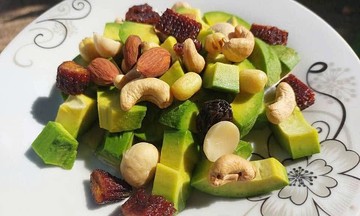
**Dietary Fiber:** Increase your intake of fiber-rich foods such as fruits, vegetables, whole grains, and legumes. Fiber adds bulk to stool, making it softer and easier to pass, which reduces strain on the anal and rectal area.
**Hydration:** Drink enough water to help soften stool and facilitate bowel movements. Start your day with one warm glass of water immediately after waking to stimulate bowel activity. Supplement your daily water intake with vegetable and fruit juices, or soup.
**Healthy Bowel Habits:** Establish a regular time for bowel movements and avoid holding stool. Delaying defecation allows the body to reabsorb water, making stool harder. Avoid prolonged sitting on the toilet and excessive straining, as this increases anal vein pressure and can cause hemorrhoids to prolapse. After defecation, use warm water for cleansing and pat dry with soft tissue instead of rough toilet paper or alcohol-based wipes.
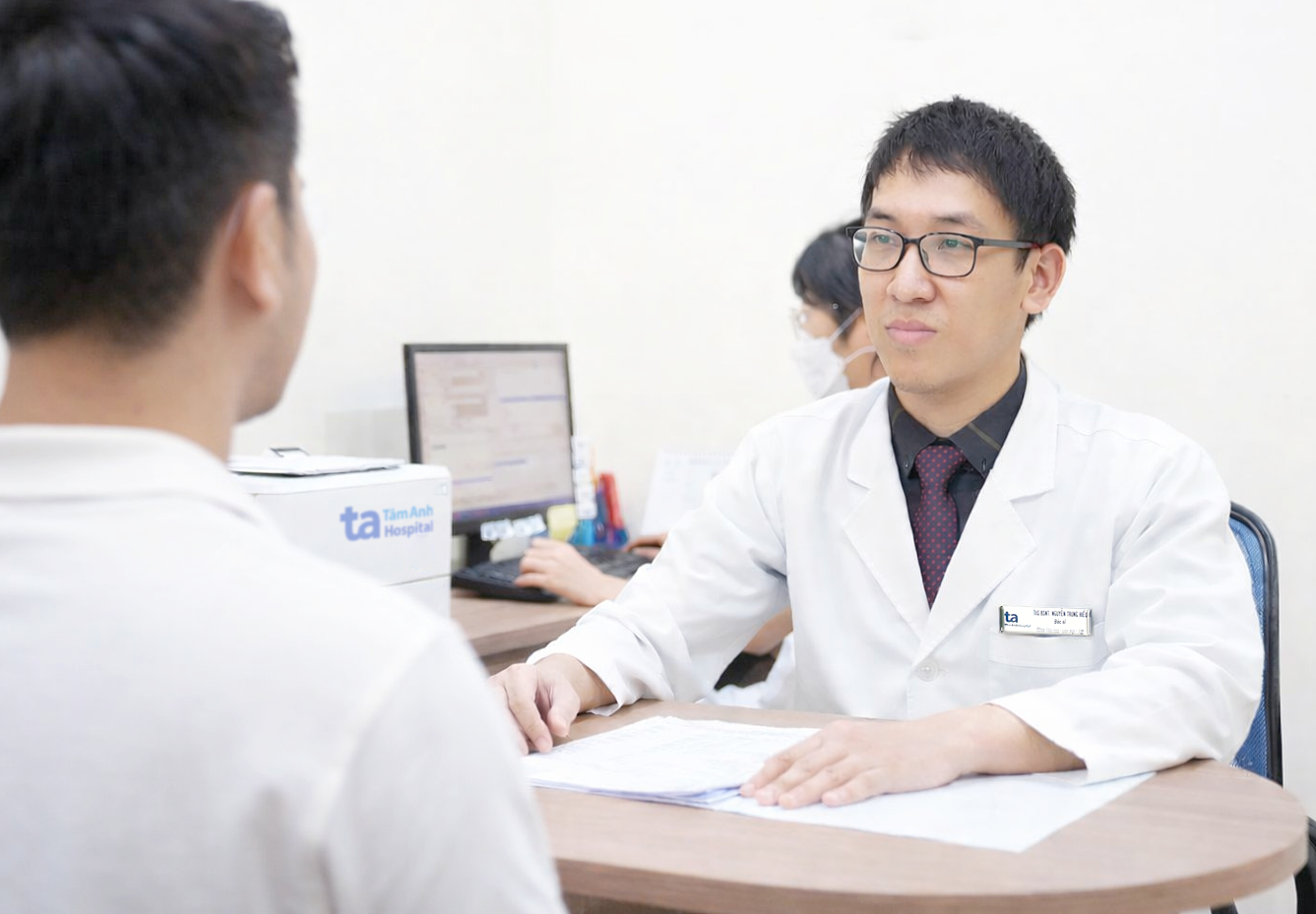 |
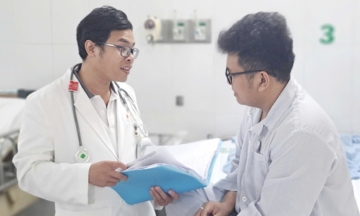
Doctor Hieu advises a patient with hemorrhoids. Illustration: Tam Anh General Hospital |
**Regular Exercise:** Consistent physical activity stimulates bowel movements, aids digestion, and counteracts the negative effects of prolonged sitting. Stand up after every one hour of continuous sitting and maintain an exercise routine such as walking, cycling, or swimming for at least 30 minutes daily.
**Warm Water Sitz Baths:** Soaking the anal area in warm water for 10-15 minutes, 3-5 times daily, can soothe uncomfortable symptoms associated with constipation and hemorrhoids, including anal pain, itching, and hemorrhoid swelling.
If lifestyle and dietary adjustments do not alleviate constipation and hemorrhoid symptoms, it is advisable to consult a specialist at a hospital for examination and treatment. Depending on your condition, a doctor may prescribe laxatives, vein-strengthening medications, or local pain relievers and anti-inflammatory drugs.
Should the condition progress and conservative treatments prove ineffective, a doctor may recommend surgical procedures to remove hemorrhoids. These techniques include rubber band ligation, sclerotherapy, or hemorrhoidectomy.
Master, Doctor Nguyen Trung Hieu
Department of Gastroenterology
Tam Anh General Hospital Hanoi
| Readers can submit questions about digestive diseases here for doctors to answer. |