Fatty liver disease is a condition where fat, primarily triglycerides, accumulates excessively in liver cells. The disease often progresses silently, showing few symptoms in its early stages, but can lead to steatohepatitis, cirrhosis, and liver failure if not managed.
Doctor Dao Thi Yen Thuy, Head of Nutrition and Dietetics at Tam Anh General Hospital TP HCM, states that diet, especially the type and quantity of carbohydrates, can impact fatty liver disease. Patients with fatty liver should consume only one-half to one bowl of cooked rice (80-120 g) or an equivalent amount of carbohydrates, combined with green vegetables, lean protein, and healthy fats to limit post-meal blood sugar spikes.
Doctor Thuy advises patients to be cautious with white carbohydrates. These are refined carbohydrates, largely stripped of fiber and micronutrients during processing. Consuming excessive white rice, white bread, vermicelli, pho, or noodles causes blood sugar to rise rapidly, stimulating the pancreas to release insulin. Excess insulin promotes the liver's conversion of sugar into fat, which then accumulates in the liver, worsening the fatty liver condition.
Refined carbohydrates also increase triglycerides in the blood, a factor directly linked to fatty liver disease. Individuals who consume many white carbohydrates, especially with a sedentary lifestyle, are prone to weight gain, abdominal obesity, and insulin resistance, thereby accelerating fat accumulation in the liver.
Compared to white carbohydrates, whole grains such as brown rice, oats, and whole-wheat bread contain more fiber, which helps slow sugar absorption and reduces the metabolic burden on the liver. Fiber also improves the gut microbiome, and an imbalance in this microbiome is associated with the formation and progression of non-alcoholic fatty liver disease. Patients with fatty liver should incorporate whole grains into their daily meals.
In addition to white carbohydrates, patients should also limit refined sugars from sweets, soft drinks, milk tea, and bottled juices, as fructose increases liver fat synthesis more strongly than glucose. A prolonged habit of consuming sugary foods is a risk factor for rapid progression of fatty liver disease, making recovery difficult.
 |
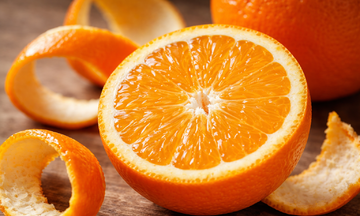
Individuals with fatty liver disease should limit white carbohydrate intake to prevent disease progression. *Trong Nghia* |
Doctor Yen Thuy recommends that patients with fatty liver disease eat diverse green vegetables, beans, and marine fish rich in omega-3. They should use unsaturated vegetable oils like olive oil and limit fried foods and processed items. Combining gradual weight loss with regular exercise of at least 150 minutes per week significantly reduces liver fat.
Individuals experiencing persistent fatigue, fullness in the right upper abdomen, elevated liver enzymes, or diagnosed with fatty liver via ultrasound should consult a gastroenterologist for dietary advice and regular monitoring. Supplementing with natural compounds like wasabia japonica and s.marianum supports digestion, enhances metabolism, and improves liver cell function, contributing to the prevention of fatty liver disease.
Trong Nghia
| Readers can send nutrition questions here for doctors to answer |