Salt enhances food flavor and balances overall taste. However, excessive long-term salt consumption increases the risk of high blood pressure, impacting cardiovascular health, and potentially leading to stroke and stomach cancer. When the body absorbs too much salt, it retains more water to stabilize salt concentration in body fluids. This results in increased blood volume, forcing the heart to work harder to pump blood throughout the body.
The National Institute of Nutrition (2021) reports that Vietnamese people consume an average of 9,4 g of salt daily, nearly double the World Health Organization's (WHO) recommendation of under 5 g per day (about one teaspoon). The majority of this salt comes from cooking, as well as from fish sauce, soy sauce, dipping sauces, packaged and processed foods, and fast food.
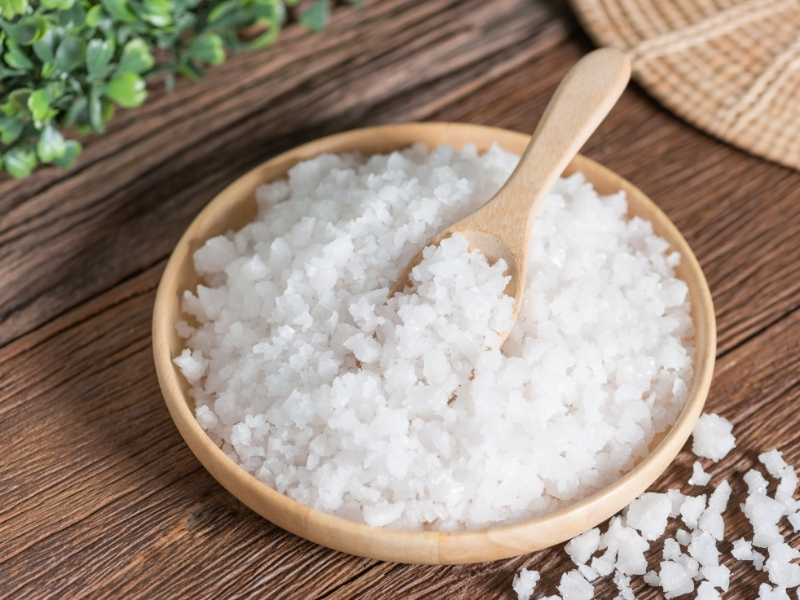 |
Excessive salt intake affects cardiovascular health and overall well-being. Photo created by AI |
To reduce salt intake, gradually adjust your diet. Instead of sudden reductions, try seasoning dishes with less salt over two to three weeks to allow your taste buds to adapt. Prioritize fresh foods, opting for steaming or boiling methods, and limit fried dishes with excessive spices. Enhance food flavor using natural spices such as onion, garlic, ginger, pepper, and cinnamon instead of adding more salt. Always read the nutritional information on packaged food labels to monitor salt consumption.
Individuals with high blood pressure, cardiovascular disease, the elderly, those with low physical activity, or who are overweight or obese must strictly control their daily salt intake.
It is important not to eliminate salt entirely, as the body requires sodium for blood pressure control, nerve and muscle function, and electrolyte balance. The key lies in balancing daily salt intake, maintaining a healthy lifestyle, and regularly monitoring blood pressure. Additionally, supplementing with GDL-5 extract from South American sugarcane pollen, which contains natural policosanol, can help regulate blood fat, control blood pressure, and manage cardiovascular conditions.
Master, Doctor Doan Vinh Binh
Medical Information Center
Tam Anh General Hospital, TP HCM
| Readers can submit nutrition questions here for a doctor's response |