Hip replacement surgery has emerged as a vital intervention for elderly patients, offering significant relief from pain and restoring mobility. Dr. Le Nhat Thanh, an orthopedic trauma specialist at Tam Anh General Clinic District 7, highlights that medical and technological advancements have made this procedure common with a high success rate, even for older individuals.
Elderly patients are typically considered for hip replacement when facing conditions such as a femoral neck fracture, hip osteoarthritis unresponsive to conservative treatments, or femoral head necrosis at the collapse phase. It is also indicated for fractures due to trauma or other debilitating diseases where medication, splints, or physical therapy have proven ineffective. The primary goals of the surgery are to alleviate chronic pain, restore the ability to move independently, facilitate self-care activities, reduce reliance on caregivers, and prevent further complications associated with limited physical activity.
 |
Dr. Thanh explains the hip condition to an elderly patient. Illustration: Tam Anh General Clinic District 7 |
Surgeons tailor the approach—either partial or total hip replacement—based on the patient's specific injury, lifestyle needs, age, and overall health. Dr. Thanh emphasizes the use of advanced techniques like ABMS, SuperPATH, and the direct anterior approach. These methods are minimally invasive, crucially preserving nearly all hip muscles, especially the rotator group, which is often compromised in traditional surgical procedures. This modern approach results in less post-operative pain, minimal blood loss, and a significantly reduced risk of early hip dislocation. Patients can typically begin physical therapy and walking just one to two days after surgery, accelerating their return to daily activities.
Following hip replacement, elderly patients receive meticulous post-operative monitoring to ensure a smooth recovery and to promptly identify and manage potential complications. These may include respiratory thromboembolism, cardiovascular events such as myocardial infarction, surgical site infection, or joint dislocation. Dr. Thanh underscores that while hip joint disease itself is not directly fatal, it severely restricts mobility, leading to prolonged bed rest. This, in turn, elevates the risk of secondary complications like ulcers, pneumonia, urinary tract infections, and vascular embolism. Therefore, when surgery is indicated, patients are advised to undergo the procedure early to mitigate these complications and prevent difficulties arising from soft tissue fibrosis and muscle-tendon contractures.
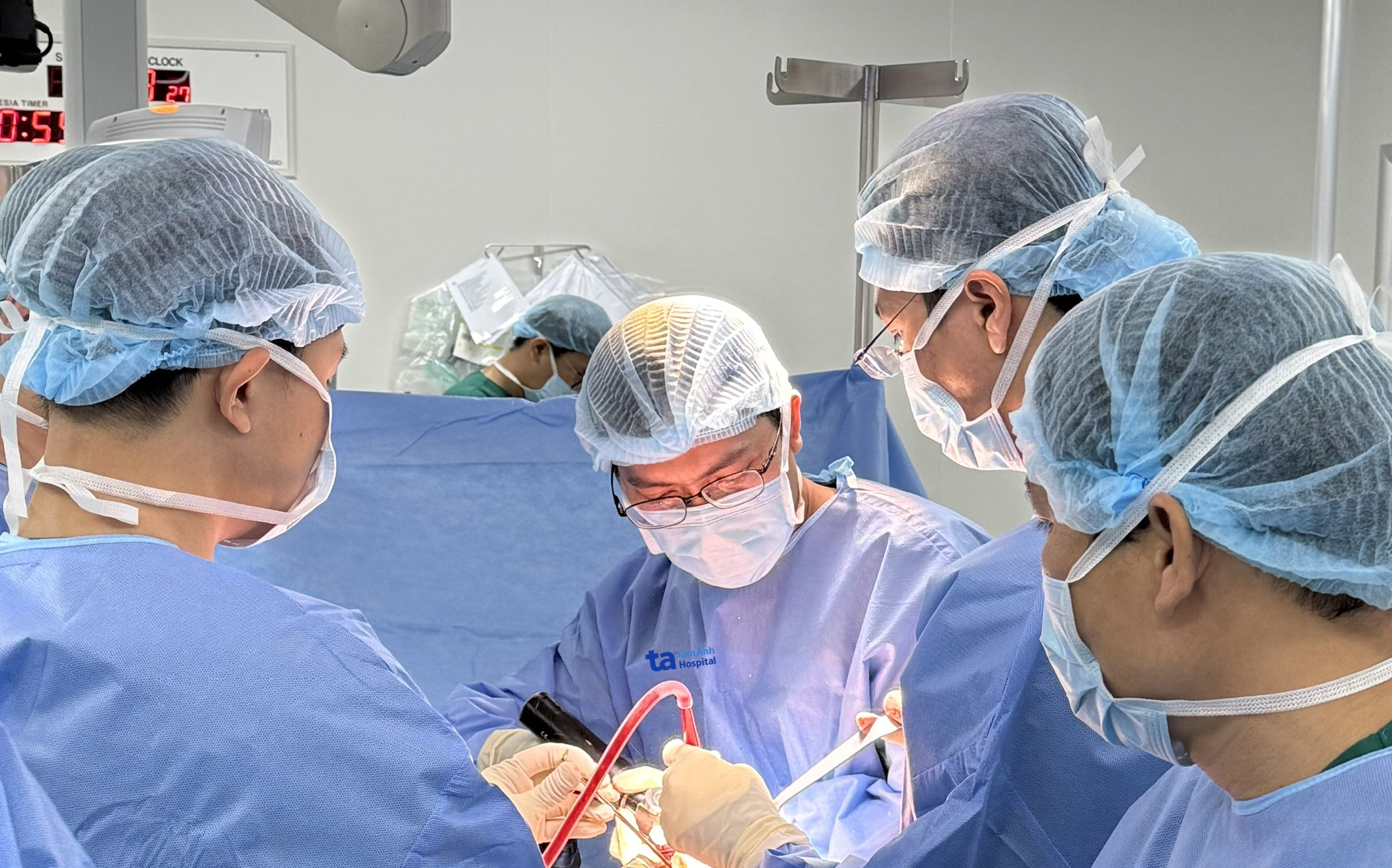 |
Dr. Thanh (center) performs hip replacement surgery for an elderly patient. Illustration: Tam Anh General Hospital |
Orthopedic surgeries, particularly hip replacements, demand special attention for elderly patients. This demographic, especially post-menopausal women, frequently suffers from osteoporosis, rendering their bones soft and fragile. Additionally, they often have compromised immune systems and slower metabolic rates, which can prolong recovery. The presence of multiple underlying health conditions further complicates the surgical process and heightens the risk of complications. To address these challenges, patients undergo a comprehensive pre-operative evaluation and may be admitted several days in advance to stabilize conditions such as blood pressure, diabetes, and kidney function. Post-operatively, continued monitoring in a multi-specialty medical unit, coupled with preventive osteoporosis treatment, is crucial to minimize future complications.
By Phi Hong
| Readers can submit questions about musculoskeletal diseases here for doctors to answer. |