Coffee, containing tannins and being acidic, can easily stain teeth with regular consumption. The surface of teeth has many tiny grooves and pores where beverage residue can accumulate. Tannins in coffee cause coloring compounds to adhere to these spots, gradually leading to yellowing over time. The acid in coffee can also temporarily soften the enamel surface, making teeth more vulnerable.
Coffee enthusiasts do not need to completely give up coffee to maintain white teeth. Simple adjustments to drinking habits can help mitigate this issue.
Drink coffee within a short period
Instead of sipping a cup of coffee from morning until noon, it is advisable to drink it within a shorter timeframe. Continuously taking small sips prolongs tooth exposure to coloring compounds, increasing the risk of discoloration.
If you tend to drink slowly, avoid stretching one cup of coffee throughout the morning. There is no need to drink it quickly, just limit continuous sipping over several hours.
 |
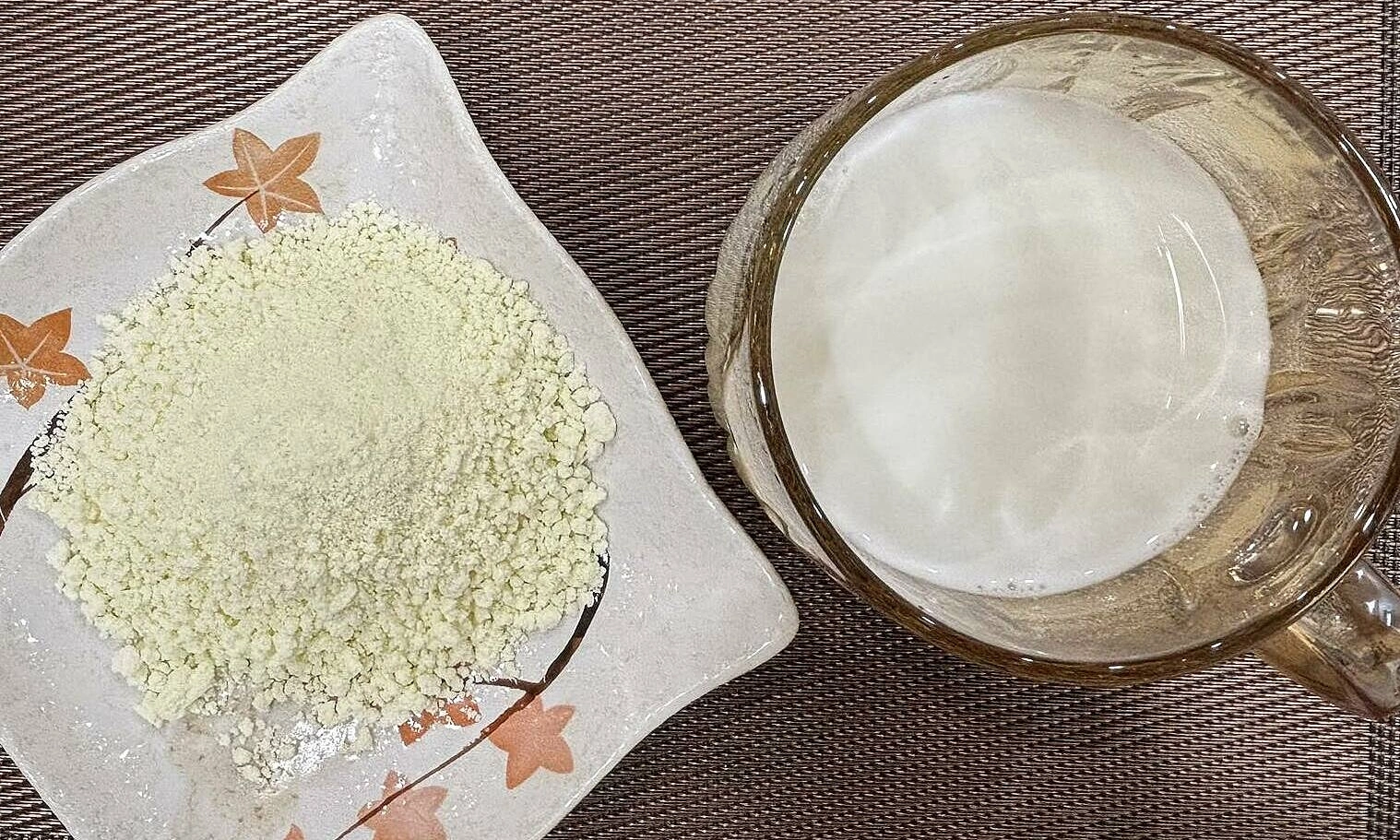
Coffee, containing tannins and being acidic, can easily stain teeth with regular consumption. Illustration: Bao Bao |
Coffee, containing tannins and being acidic, can easily stain teeth with regular consumption. Illustration: Bao Bao
Rinse with water after drinking
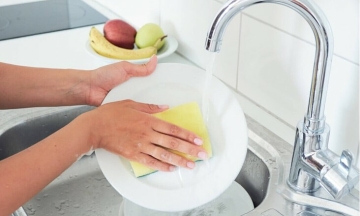
After drinking coffee, rinsing with plain water can help remove some beverage residue from teeth and the oral cavity. Water also dilutes acid, helping to restore the mouth's pH balance.
This is a simple method, especially useful when immediate brushing is not possible. Simply drink or rinse with a small amount of water after consuming coffee, rather than allowing beverage residue to remain in your mouth for an extended period. If you regularly drink coffee at work, keep a bottle of water nearby to establish this habit.
Wait about 20-30 minutes before brushing teeth
Brushing teeth immediately after drinking coffee is not the best option. Because coffee is acidic, it can temporarily weaken the enamel surface after consumption. Brushing too soon can add mechanical stress to enamel already affected by acid.
According to Healthline, you should wait about 20-30 minutes to allow saliva time to neutralize the acid before brushing your teeth. During this waiting period, rinsing with water is a simple way to remove coffee residue, after which you can brush your teeth as usual.
Limit added sugar
While black coffee is not a primary factor in tooth decay, adding sugar to the beverage can increase this risk. Sugar provides a food source for bacteria in the oral cavity. When consumed regularly, these bacteria can produce acids that damage tooth enamel, thereby increasing the risk of cavities.
If you drink coffee daily, gradually reduce the amount of sugar, syrup, or sweet creamers. Low-sugar or sugar-free coffee also helps control the amount of sugar consumed. Individuals unfamiliar with black coffee can reduce sugar intake gradually rather than cutting it out completely at once.
Use a straw for cold coffee
Using a straw when drinking cold coffee can help reduce the amount of beverage that directly contacts tooth surfaces, particularly the front teeth. According to Health, this is a simple way to limit the risk of tooth staining while maintaining your coffee-drinking habit. However, this method does not completely eliminate the risk of staining. Rinsing with water after drinking, brushing at the appropriate time, and consistent oral hygiene remain important.
If teeth are already noticeably discolored, it is advisable to consult a dentist for examination and to choose a suitable professional whitening method rather than attempting at-home treatments.
Bao Bao (Compiled)