A 7-year-old girl from Lang Son presented with intermittent abdominal pain, leading her family to believe it was a common digestive disorder. However, an initial ultrasound at Viet Phap Hanoi Hospital revealed a severely dilated right kidney and upper ureter, the tube that carries urine from the kidney to the bladder, with hydronephrosis caused by an obstructed flow.
Recognizing the complex and unclear nature of the injury, the Viet Phap Hanoi team held an urgent consultation with specialists from the National Children's Hospital. To thoroughly investigate the blood vessels and the ureter's path, doctors ordered a magnetic resonance imaging (MRI) scan of the urinary system. The MRI confirmed that the upper right ureter looped behind the inferior vena cava, a major blood vessel that returns blood to the heart.
Doctors diagnosed the patient with retrocaval ureter (RCU), a congenital defect resulting from abnormal vein development during pregnancy. This anomaly causes the inferior vena cava to compress the ureter, obstructing urine flow and leading to hydronephrosis, or kidney swelling. Children with RCU often experience intermittent abdominal pain, flank pain, and may even have blood in their urine or urinary tract infections. Research from Patras University Hospital in Greece indicates that approximately 21% of RCU cases are associated with concomitant cardiovascular defects or other urinary abnormalities.
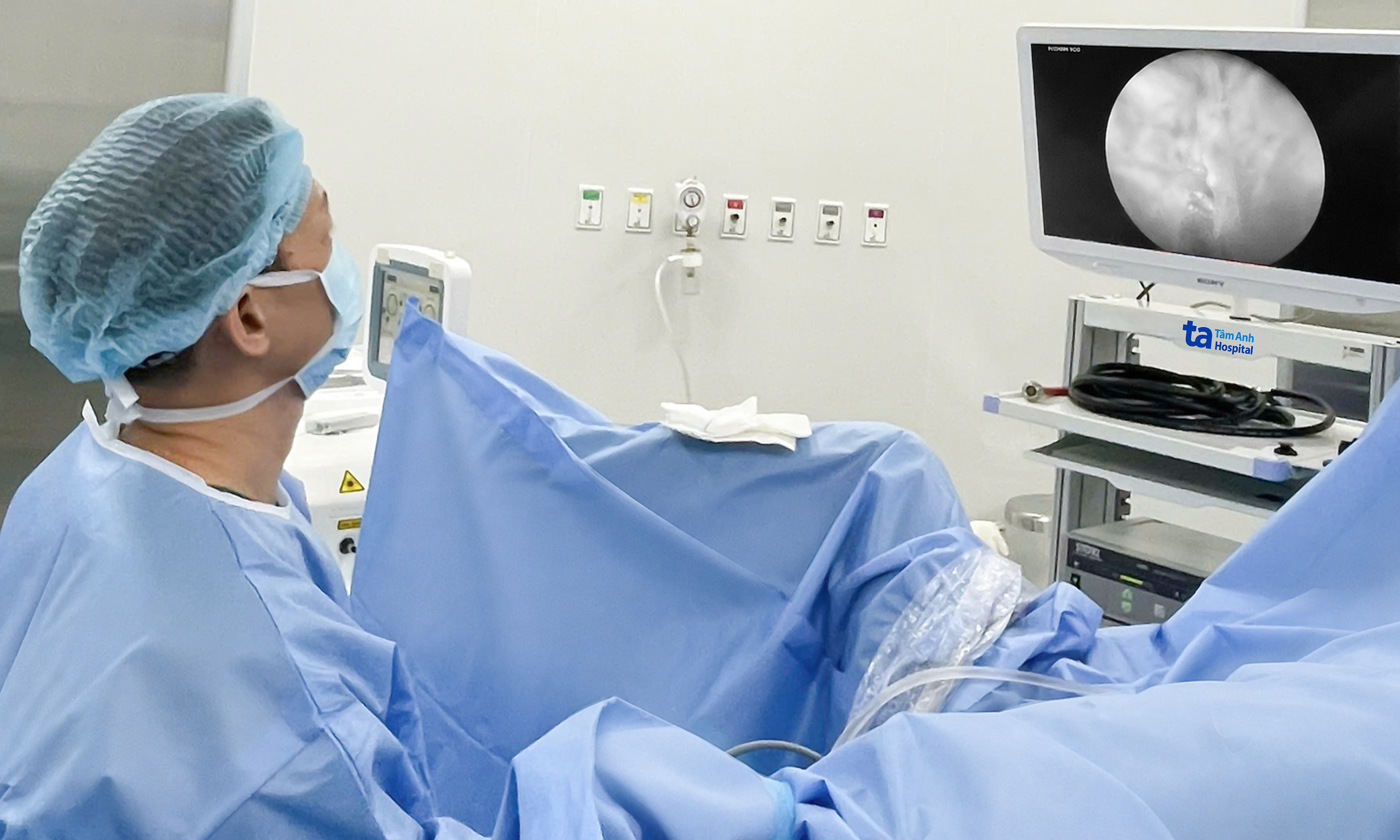
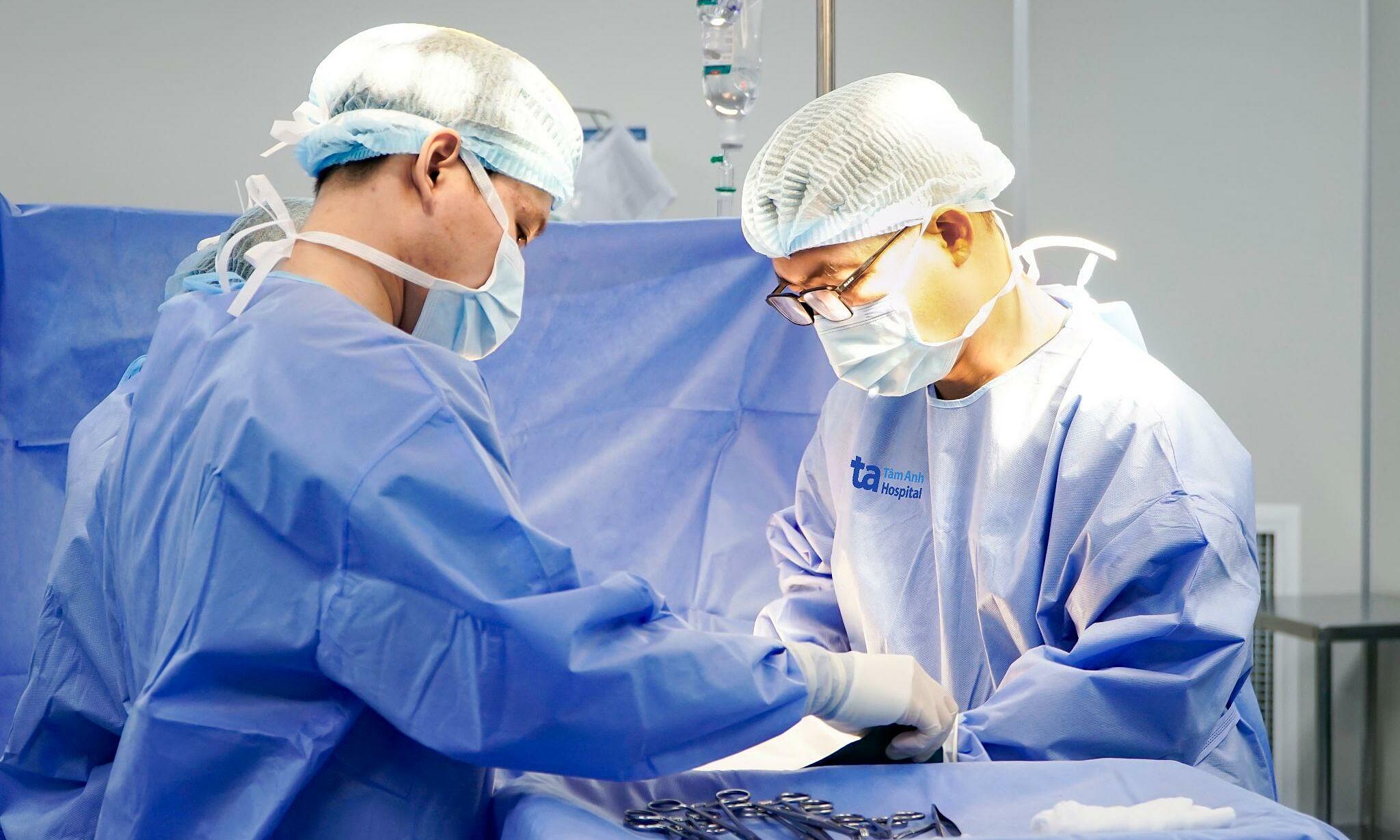
The medical board unanimously agreed on laparoscopic surgery to reposition the ureter to its correct anatomical location, relieve the compression, and restore natural urine flow. Following the procedure, the patient is now alert, fever-free, with a dry incision, and has resumed normal eating and daily activities. Doctors continue to closely monitor the function of her urinary system to assess the effectiveness of post-operative recovery.
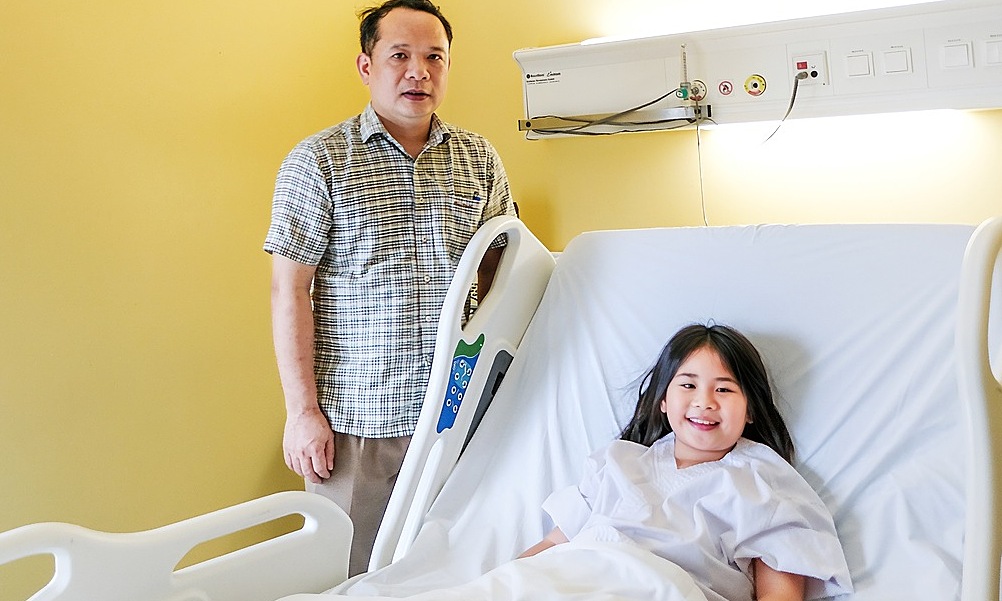 |
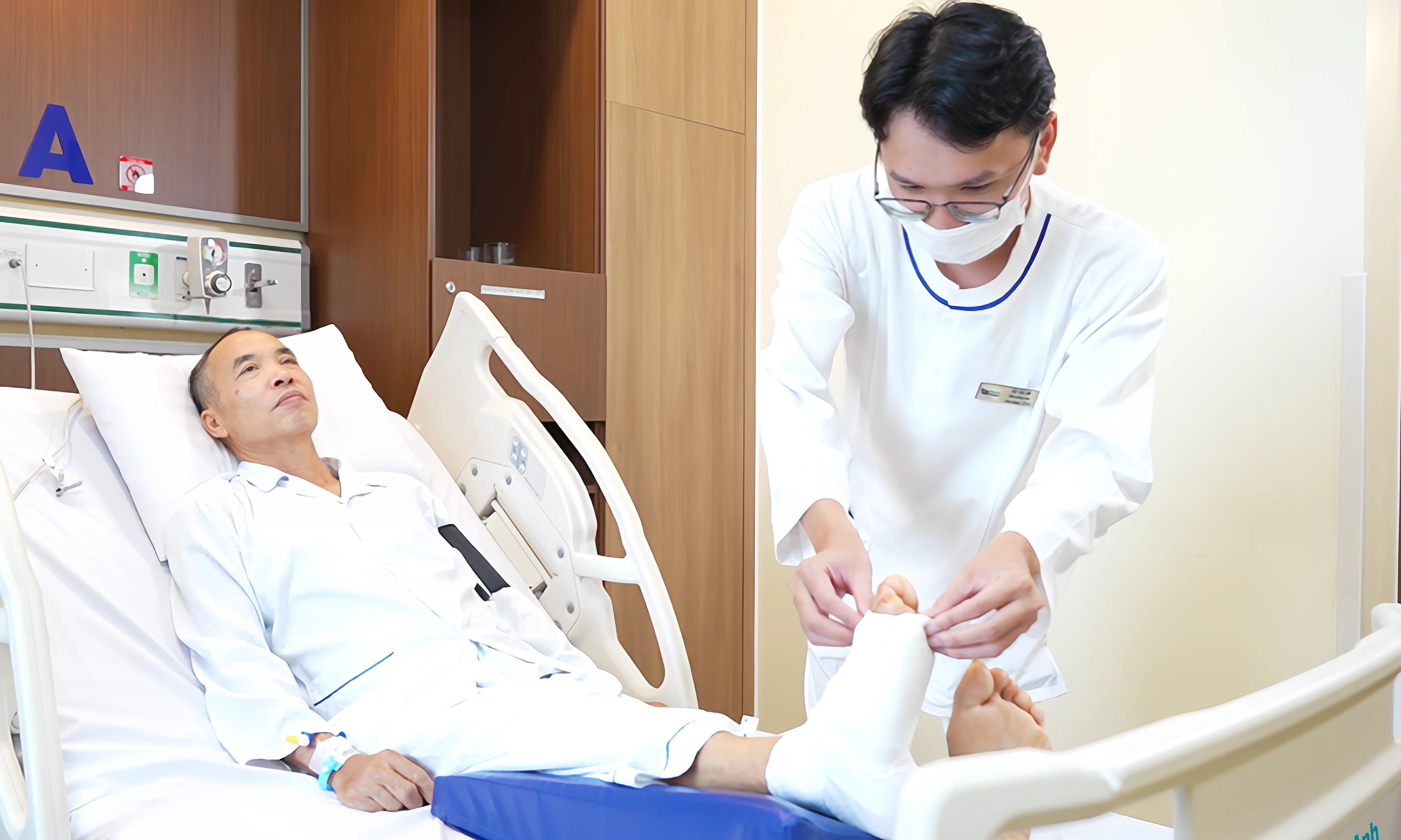
The patient is stable after surgery. *Photo: Hospital provided*
Doctor Nguyen Duy Viet, the lead surgeon, stated that retrocaval ureter (RCU) appears with an extremely low frequency in clinical practice. In nearly 20 years of work, from 2005 to the present, he has encountered only 7 such cases. While the first case was treated with traditional open surgery, the subsequent 6 cases were successfully managed using minimally invasive laparoscopic surgery.
Doctors advise parents not to underestimate persistent abdominal pain in children. This symptom may not only signal a digestive illness but could also indicate dangerous congenital defects; families should bring their children to the hospital for early examination and timely intervention.
Le Nga