 |
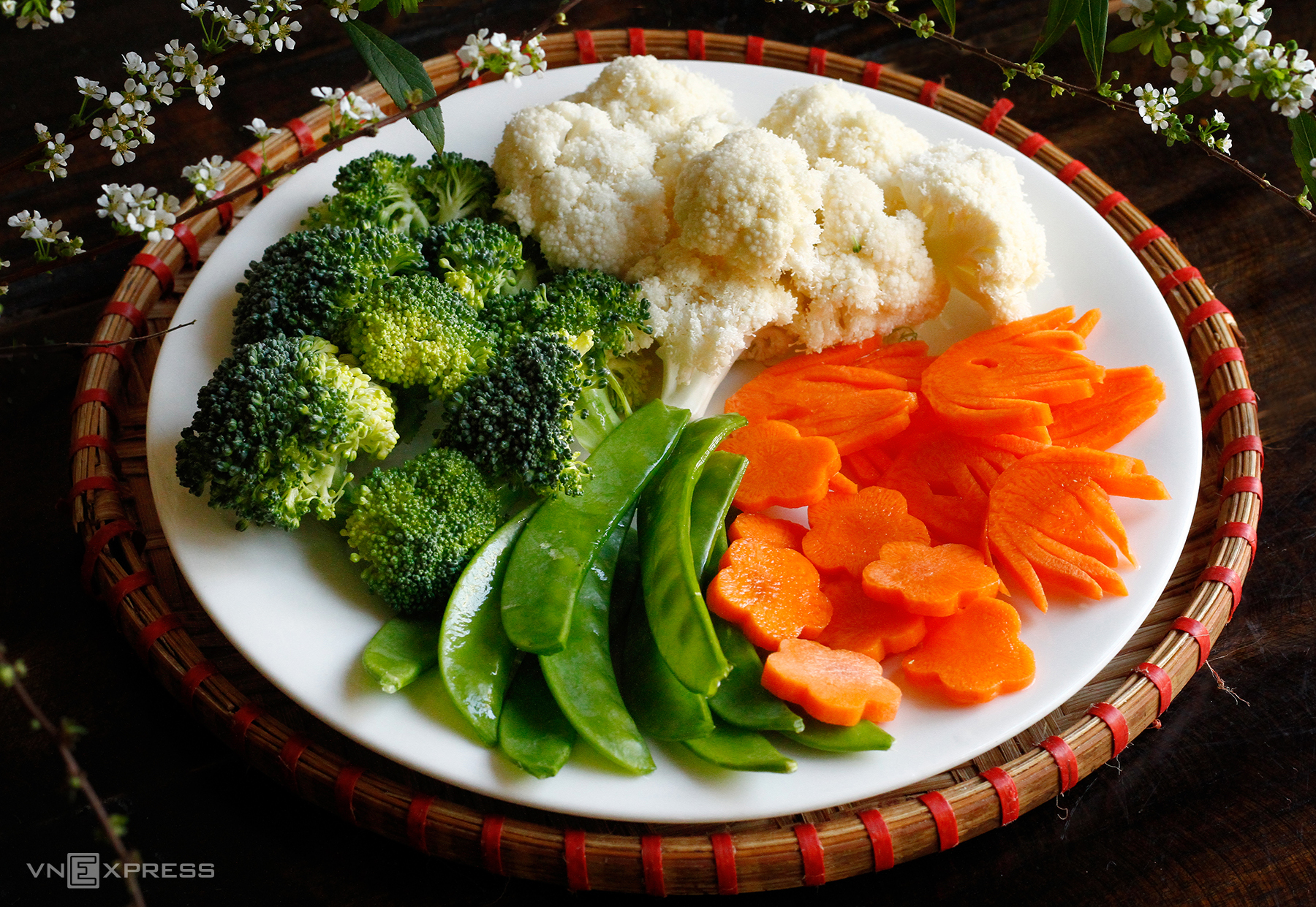
Carrots
Carrots are rich in beta-carotene, a vital nutrient for eye health. The body converts beta-carotene into vitamin A, which is essential for the retina and plays a key role in how eyes perceive light.
A deficiency in vitamin A can impair vision in low-light conditions. Therefore, including beta-carotene-rich foods like carrots in a balanced diet helps provide this precursor to vitamin A.
 |
Yellow corn
Yellow corn is a good source of lutein and zeaxanthin, two carotenoids found in the retina and lens. These compounds possess antioxidant properties and help absorb high-energy light entering the eyes. Yellow corn can be enjoyed boiled, steamed, or added to salads, soups, and daily meals for its eye health benefits.
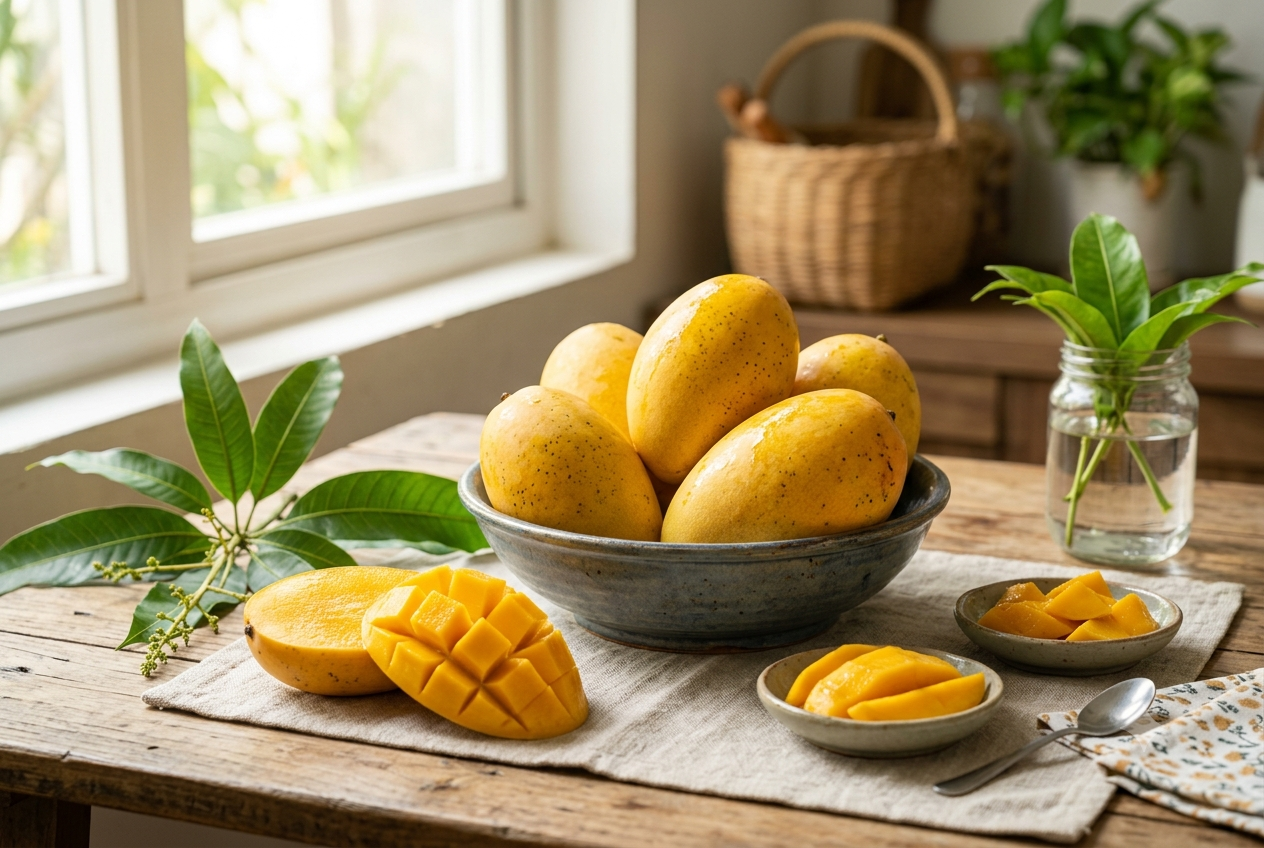 |
Mangoes
Ripe mangoes, with their yellow-orange hue, are rich in carotenoids and vitamin C. The beta-carotene in mangoes can be converted by the body into vitamin A, supporting visual function.
Vitamin C, an antioxidant, helps protect cells from free radical damage. Mangoes can be a valuable addition to a varied fruit diet, offering diverse nutrients for overall health.
 |
Salmon
Fatty fish like salmon are abundant in omega-3 fatty acids, especially DHA, which is prevalent in nerve tissues and the retina. This nutrient also helps reduce dry eyes. To maximize eye-benefiting nutrients, preparing salmon by steaming, pan-searing, or grilling is recommended, rather than deep-frying.
 |
Egg yolks
Beyond lutein and zeaxanthin, egg yolks offer other nutrients like protein and vitamins, enriching one's diet. Combining eggs with green vegetables, corn, or other colorful produce further enhances nutrient diversity, supporting healthy vision.
Bao Bao (Compiled)
Photos: Bao Bao, Bui Thuy, AI