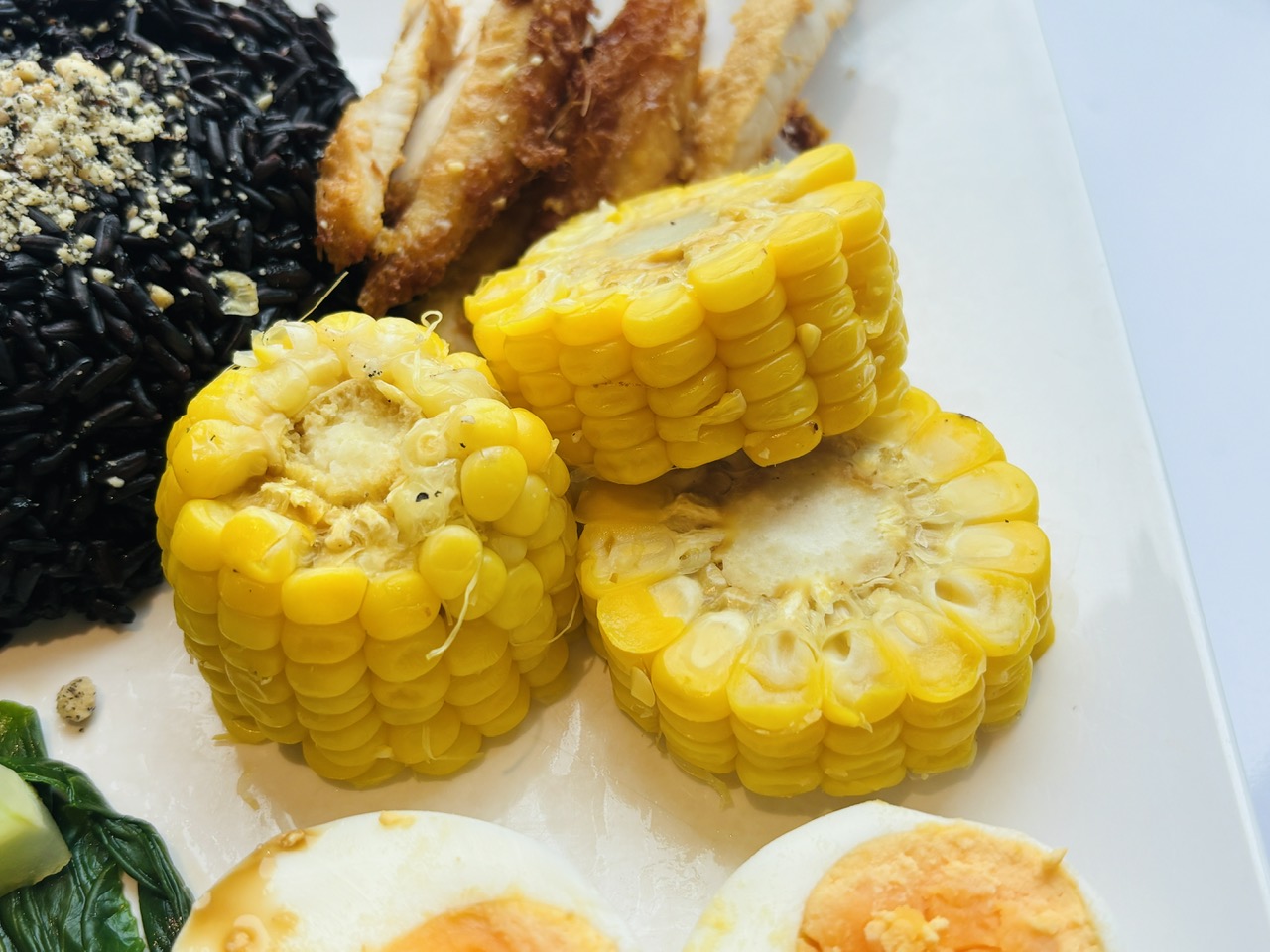
Protein is an essential nutrient vital for numerous bodily functions. It supports cell creation and repair, aids muscle building and contraction, strengthens the body's defense against infections, and boosts calorie expenditure for weight management.
While an egg offers a good protein source (around 6 g), several beverages can provide even higher amounts, helping to fulfill the body's daily protein requirements.
Cow's milk delivers 8 g of protein per cup (240 ml). For those who limit egg consumption, cow's milk offers an alternative, supplying calcium and vitamin D. These nutrients are crucial for enhancing bone and joint health, aiding workouts, and building muscle.
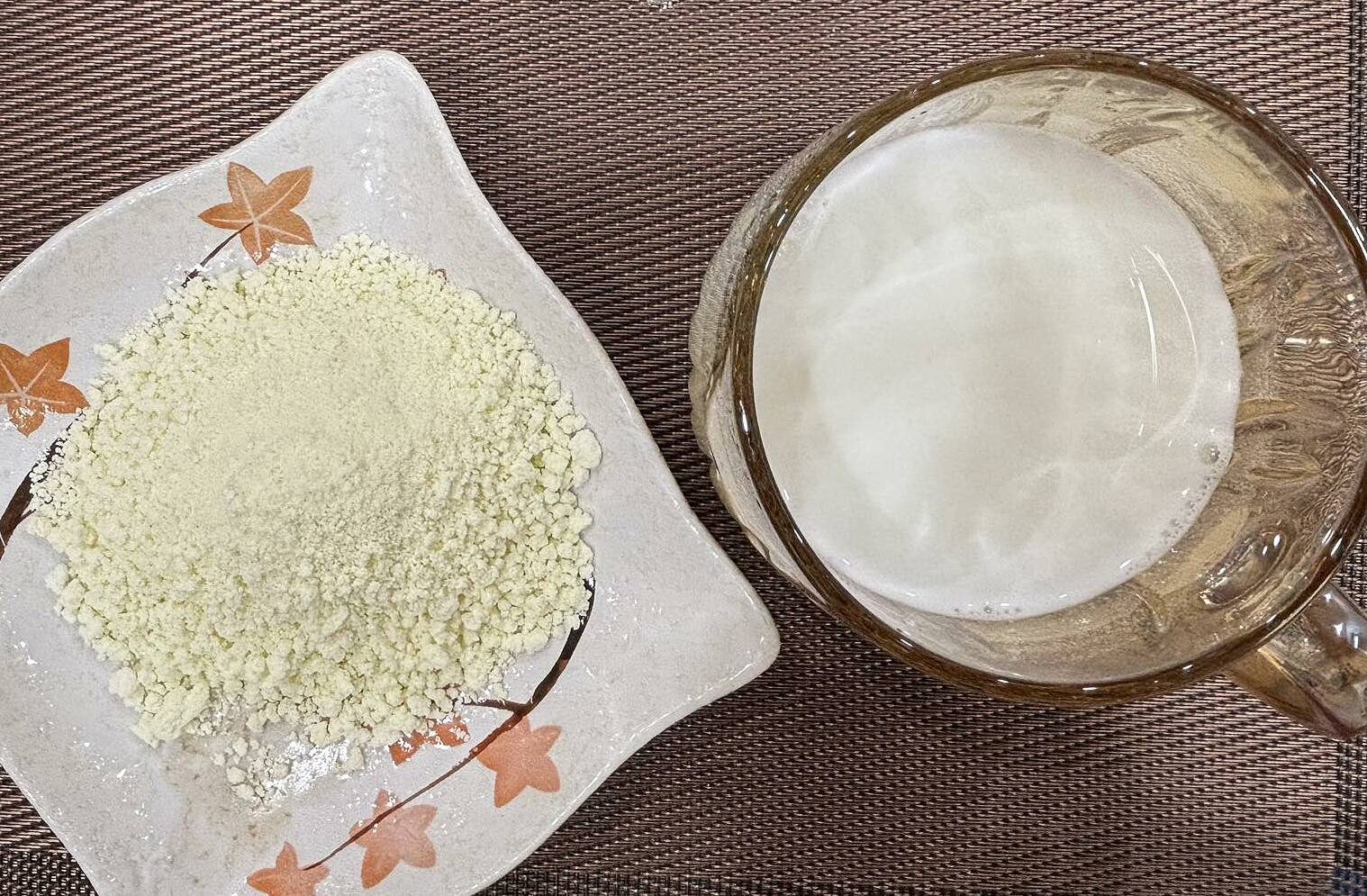 |
Cow's milk contains approximately 8 g of protein per cup. Photo: Anh Chi
Soy milk provides around 6,3 g of protein per cup (240 ml), comparable to an egg. Consuming plain soy milk after breakfast or a workout replenishes protein, calcium, vitamin D, and vitamin A. It serves as an excellent plant-based choice for vegetarians, individuals with lactose intolerance, or those allergic to cow's milk.
Bone broth is a staple in many Asian nations, including Trung Quoc, Viet Nam, and Han Quoc. This savory liquid is prepared by simmering chicken, beef, pork, or fish bones for several hours. A 240 ml serving can offer about 9 g of protein. It can be incorporated into soups, porridges, or other meals, enhancing dietary protein variety.
Protein-rich smoothies are simple to prepare and convenient. They can also add fiber, promoting satiety and aiding weight loss. To boost protein content, consider adding: Greek yogurt, nuts, or peanut butter. Depending on the ingredients, a single smoothie can deliver 18-19 g of protein. For example, a strawberry smoothie with kefir yogurt provides approximately 15 g of protein, along with fiber from berries and bananas.
The United States Department of Agriculture (USDA) recommends that adults consume approximately 46-56 g of protein daily, varying with age, gender, activity level, and health status. Individuals aiming for muscle gain or weight loss should prioritize lean protein sources like chicken, fish, tofu, cottage cheese, milk, and protein-fortified beverages. It is advisable to limit protein intake from red and processed meats.
Beyond dietary choices, regular exercise is crucial, particularly muscle-building activities like squats and weightlifting. Adequate sleep and effective stress management also contribute significantly to overall health and weight management efforts.
Anh Chi (Compiled)