According to Doctor of First Degree Specialist Vo Thi Tuong Duy, from the Dermatology - Skin Aesthetics unit at Tam Anh General Clinic District 7, a balanced and diverse diet, alongside external care, provides the body with essential nutrients for maintaining and restoring skin. Skin constantly renews itself and is affected by sunlight, pollution, smoke, and other environmental factors. Each nutrient group plays a distinct role, from supporting cell regeneration and maintaining elasticity to protecting skin from environmental impacts.
Vitamins and minerals
Doctor Duy states that vitamins A, C, E, along with minerals like zinc, copper, and selenium, are vital for maintaining skin health. Vitamin C is essential for antioxidant processes, helping to maintain bright, healthy skin and support skin rejuvenation. Vitamin A is involved in cell regeneration, while vitamin E and certain minerals contribute to protecting cells from harmful factors.
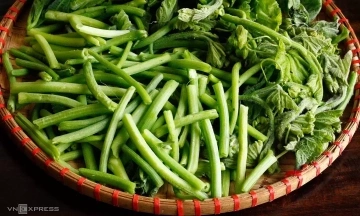
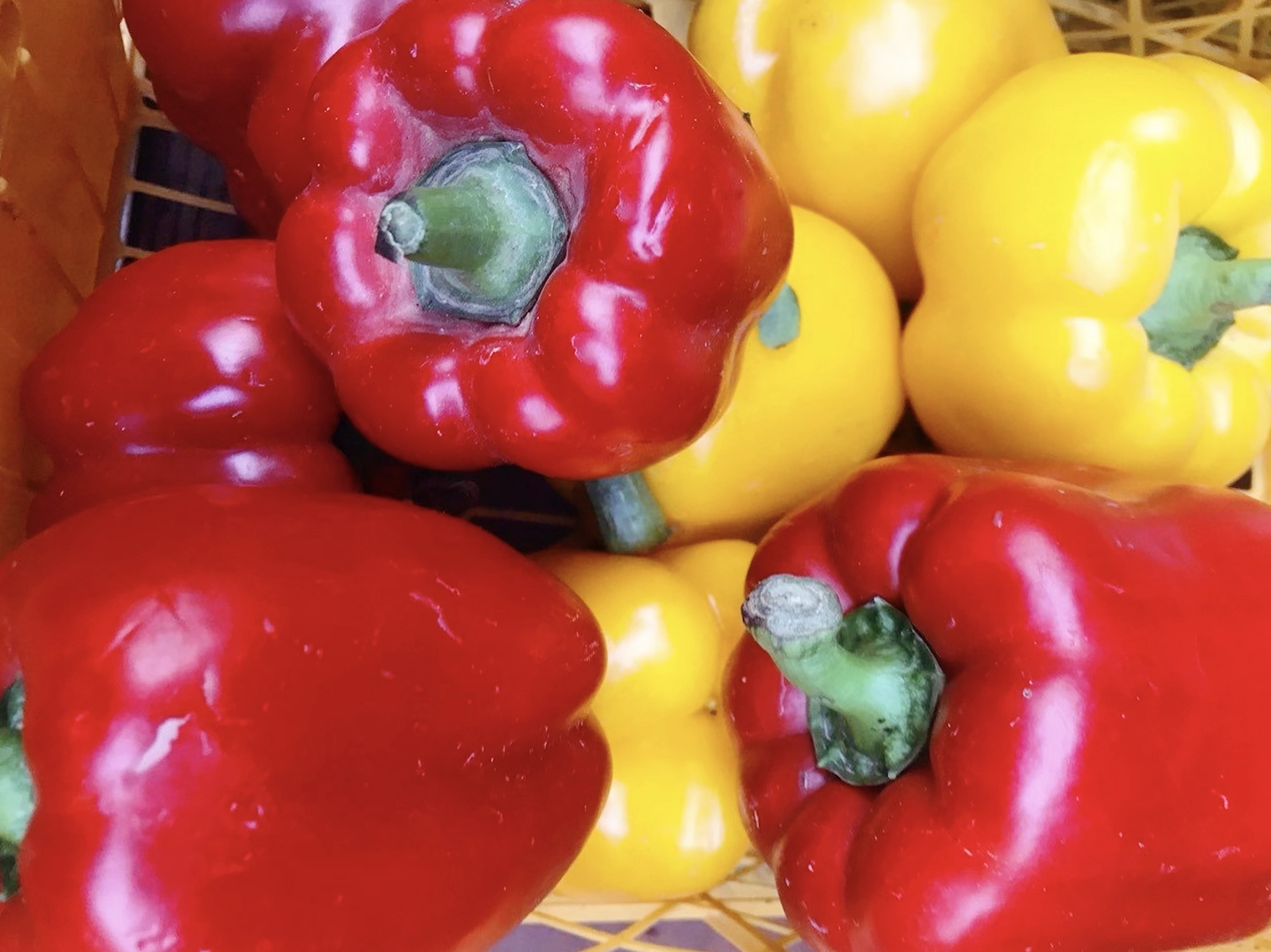
These nutrients can be obtained from common foods such as leafy green vegetables, carrots, bell peppers, oranges, mandarins, grapefruits, and various nuts.
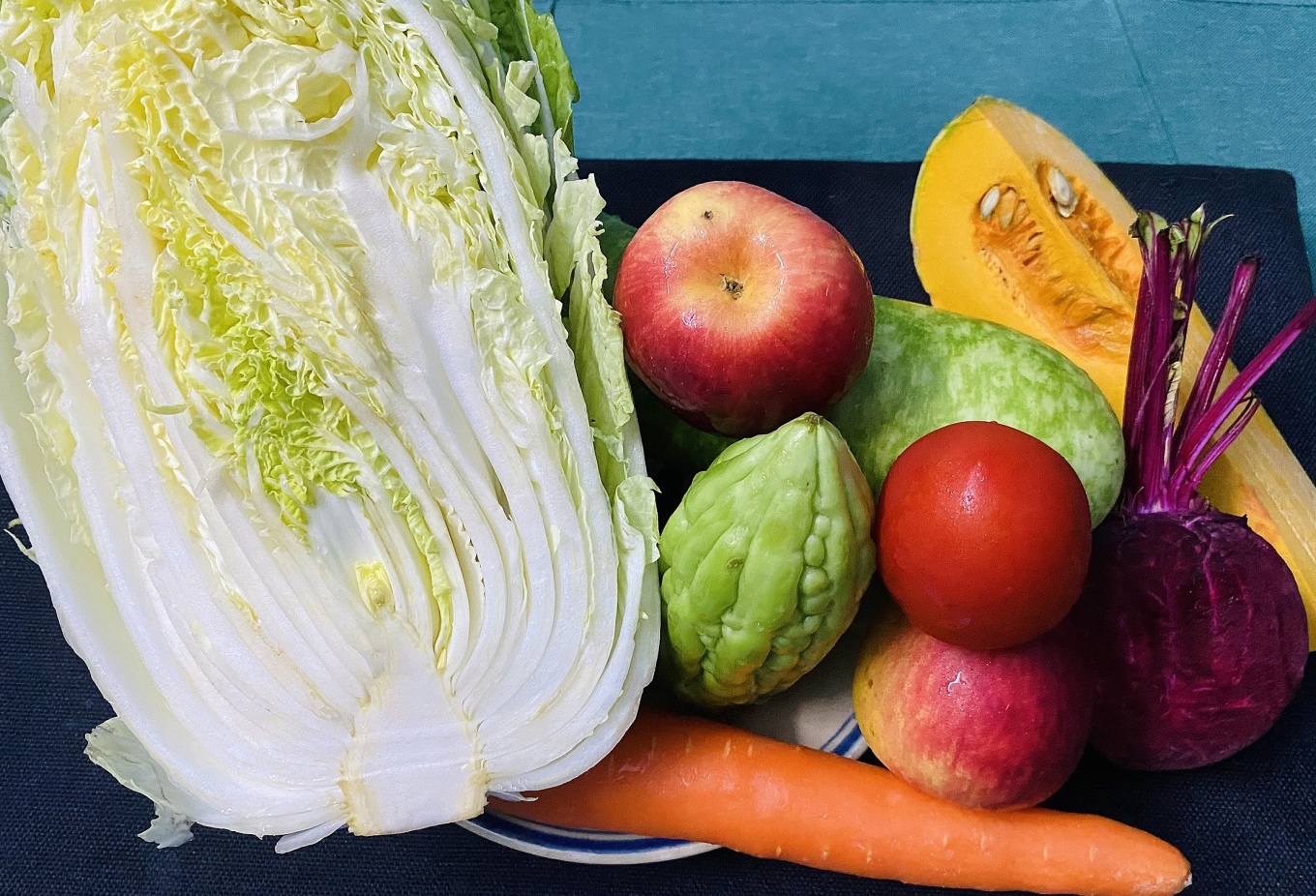 |
Vegetables and fruits are rich in vitamins and antioxidants beneficial for the skin. Photo: Anh Chi. |
Antioxidants
The body constantly produces free radicals during metabolism and when exposed to ultraviolet radiation, smoke, and pollution. If this exposure is prolonged, free radicals can damage collagen and other skin structures, leading to reduced elasticity, dullness, and signs of aging.
Antioxidants in food help the body mitigate the effects of free radicals. These compounds are abundant in dark-colored vegetables and fruits, berries, grapes, pomegranates, and green tea. Therefore, incorporating a variety of these foods into your diet can provide nutrients that support healthy skin from within.
However, a diet rich in antioxidants cannot replace sunscreen. If you have frequent sun exposure, apply sunscreen and use appropriate protective coverings to safeguard your skin.
Omega-3
Omega-3s are a group of unsaturated fats that support the skin's protective barrier and regulate inflammatory responses. Adequate intake of these beneficial fats can help skin maintain moisture, reducing dryness and sensitivity. Salmon, fatty fish, walnuts, chia seeds, and various other seeds are common sources of omega-3s. Fish also provides protein and other essential nutrients for the body.
Protein
Doctor Duy explains that protein provides the necessary amino acids for the body to build and repair tissues, including collagen and many other crucial skin structures. Prolonged protein deficiency can impair tissue repair and regeneration.
Meat, fish, eggs, dairy, legumes, and nuts are all common protein sources. Instead of solely focusing on foods advertised as "collagen supplements", individuals should diversify their protein sources to ensure a complete supply of amino acids for the body.
Probiotic
Probiotics are beneficial bacteria that help maintain a balanced gut microbiome. This microbiome is linked to overall health and can influence inflammatory responses in the body.
Probiotics are abundant in yogurt and some fermented foods. However, probiotics are not a substitute for medication and should not be considered a treatment for acne or other skin conditions.
Stay hydrated, limit sweets
Drinking enough water helps the body function properly and keeps skin from becoming dry and tight. Beyond plain water, some water-rich foods like watermelon, cucumber, and tomatoes also contribute to hydration, but they cannot fully replace daily water intake.
It is advisable to limit excessive consumption of sweets and processed foods. High sugar intake can increase blood insulin, stimulating oil glands and potentially leading to acne breakouts. Prioritize vegetables, fruits, protein, and minimally processed foods for a more balanced diet that supports skin health.
Minh Huong
| Readers can send questions about dermatology and skin aesthetics here for doctors to answer. |